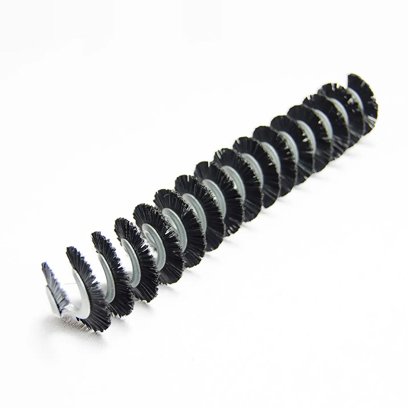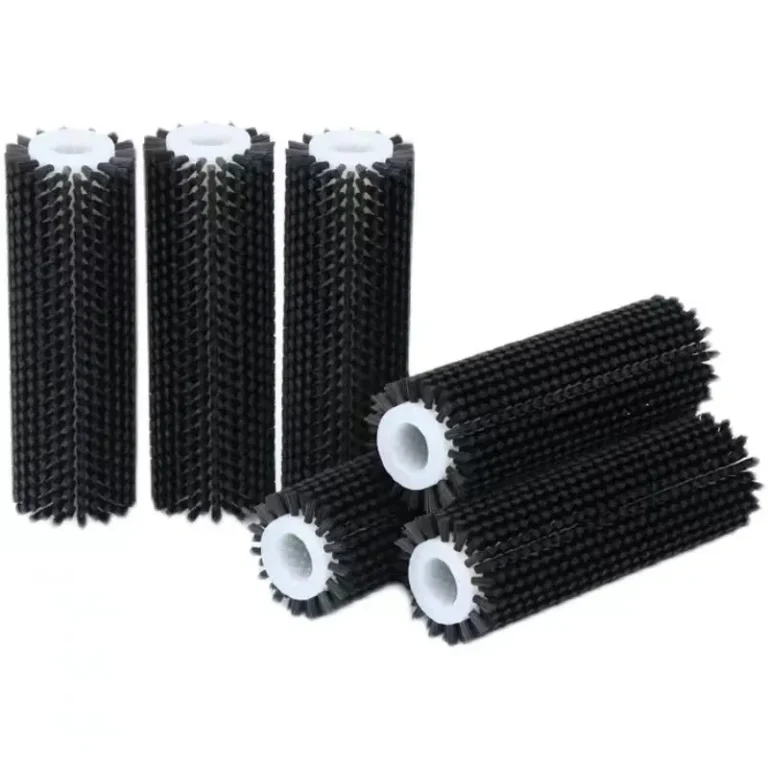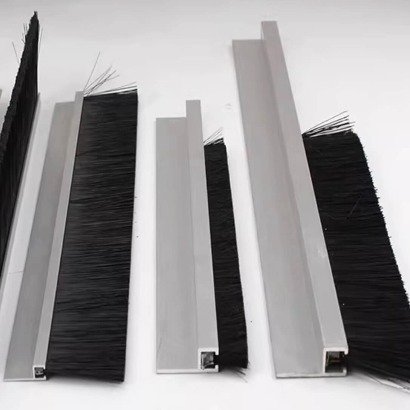
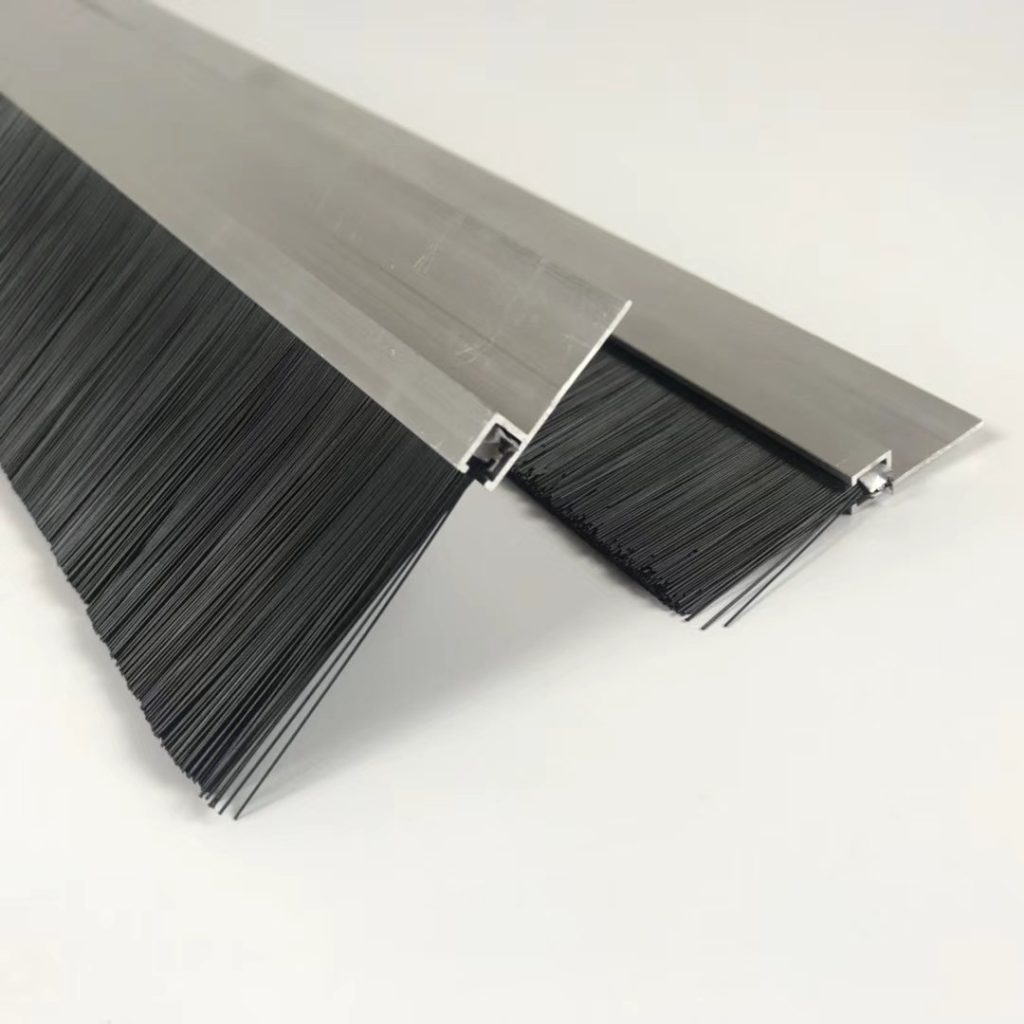
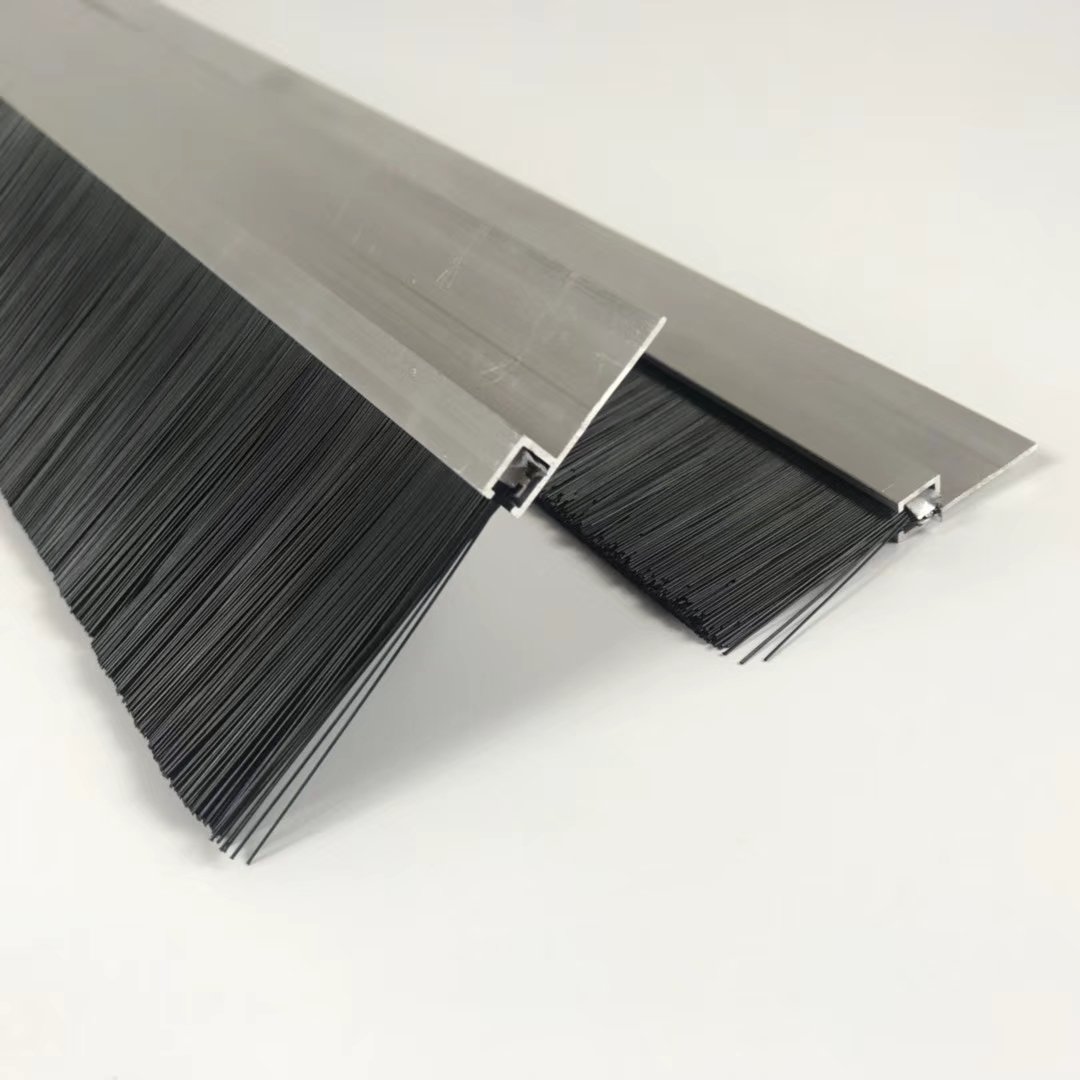
A strip brush is a thin, rectangle-shaped brush. It has soft bristles held in a metal strip. People use these brushes in factories to seal spaces. They also use them to clean things and keep machines safe. You might need a nylon strip brush for making food. You might need a brass strip brush for working with electronics. These brushes can help in many different ways.
Key Takeaways
-
Strip brushes close spaces to stop dust, air, and noise. This helps factories use less energy and keeps machines safe.
-
They clean surfaces and conveyor belts by taking away dirt and rubbish. This lowers machine problems and saves money.
-
Strip brushes come in many materials and shapes. This lets them do many jobs, like guarding electronics or working in wet or hot areas.
Strip Brush Functions
A strip brush acts like a bendy shield in factories. Its bristles sit tightly in a metal strip. They fill spaces and block things like dust, mist, and heat. Factories use strip brushes on doors, windows, and conveyor belts. The bristles bend to fit bumpy surfaces. This makes a strong seal where other things might not work. Strip brushes keep out cold air, dirt, bugs, and water. In cleanrooms and labs, they stop tiny bits and drafts from getting in. This keeps equipment safe and the area clean.
Did you know? Strip brushes can help control airflow and steady moving items on conveyor belts. Their design lets you pick different bristle lengths, thicknesses, and materials for many jobs.
By sealing spaces, strip brushes help keep temperatures steady and save energy. This helps machines work well and saves power. They also stop things like stray tools or hands from getting into places, making work safer.
Cleaning and Debris Removal
Strip brushes do more than seal spaces. They are important for cleaning and keeping things neat. You often see them on conveyor belts, sweeping away dust and bits. This keeps products clean and stops dirt from piling up on machines. In big factories, strip brushes sweep floors, move gravel, and clear rubbish. The bristles can be soft or hard, depending on what needs cleaning.
-
Strip brushes push dirt to collection spots, stopping it from spreading.
-
They clean drill heads, mining trucks, and help remove rust from machines.
-
By keeping surfaces and machines clean, they lower the chance of breakdowns and make work safer.
A clean place means less time fixing things and fewer repairs. Strip brushes help companies save money by cutting waste and keeping machines working well.
Noise and Vibration Reduction
Factories can be noisy and shaky places. Strip brushes help with these problems. Their soft bristles soak up and soften shakes from moving machines. This makes the factory quieter and nicer. In air systems, strip brushes smooth out the air flow. This lowers noise from fast-moving air.
-
Strip brushes act as walls between moving parts, stopping noise from spreading.
-
They soften shakes, which protects machines and workers.
-
In lift shafts, strip brushes close gaps and lower sound, making it quieter.
A quieter factory is better for everyone. It also means machines last longer. Strip brushes are easy to put in and need little care. They are a simple way to control noise and shaking.
Strip Brush Materials and Types
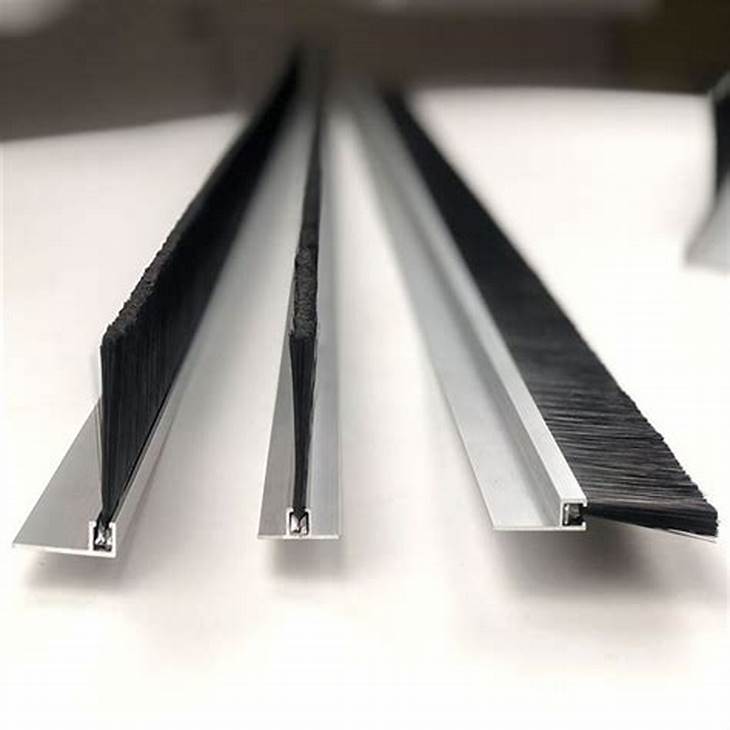
Nylon Filaments
Nylon filaments are a common choice for many industrial brushes. They are strong and bend easily without breaking. Factories like nylon because it lasts a long time. Nylon can handle heat, chemicals, and lots of use. Some types, like nylon 610 or 612, do not soak up much water. This helps the brush keep its shape when wet. Nylon does not get hard or swell up in water. It also springs back after bending, so it keeps working well.
Tip: Nylon filaments are good for weatherstripping, cleaning conveyor belts, and dust control. They are safe for soft surfaces because they do not scratch or make sparks.
Here is a simple table showing how nylon compares to other brush materials:
|
Material |
Durability |
Abrasion Resistance |
Chemical Resistance |
Temperature Resistance |
Special Features |
|---|---|---|---|---|---|
|
Nylon |
Excellent |
Excellent |
Excellent |
Up to 176°C |
Non-sparking, flexible, safe |
|
Polypropylene |
Good |
Good |
Good |
Good |
Lightweight, water-repellent |
|
Polyester |
Good |
Very Good |
Very Good |
Good |
Keeps shape, versatile |
|
Stainless Steel |
Excellent |
Excellent |
Excellent |
Very High |
Conductive, hygienic, strong |
|
Brass |
Good |
Good |
Good |
Moderate |
Non-sparking, conductive |
|
Tampico (Natural) |
Good |
Good |
N/A |
N/A |
Eco-friendly, plant-based |
Nylon filaments last longer than natural fibres and metal wires. They do not get damaged by chemicals or water. This means they work well in wet or dirty places. Nylon also handles heat better than most plastics. That is why it is used for many jobs.
Construction Types
Manufacturers make strip brushes in different ways for different jobs. How the brush is made changes how it works and where it is used.
-
Metal Profile Strip Brushes: These have bristles held tightly in a metal holder. This makes the brush strong and steady. Factories use them to seal doors, clean conveyor belts, and protect machine edges.
-
Staple Setting: Steel staples hold the bristles in place. This lets you pick the size, shape, and bristle type you need.
-
Epoxy Setting: Bristles are glued in with epoxy resin. This keeps the bristles secure and makes the brush easy to clean. It is good for places that must stay very clean.
-
Wire Drawing: Bristles are sewn in with metal wire or nylon cable. This makes the brush very strong for tough jobs.
|
Construction Type |
Attachment Method |
Best Use Cases |
|---|---|---|
|
Metal Profile |
Bristles in metal holder |
Sealing, cleaning, machine protection |
|
Staple Setting |
Steel staples |
Custom shapes and sizes |
|
Epoxy Setting |
Epoxy resin |
Sterile, precise, easy to clean |
|
Wire Drawing |
Metal wire or nylon cable |
Heavy-duty, secure, demanding environments |
Some strip brushes use special materials for heat or static control. Stainless steel or brass filaments are good for hot or antistatic places. Flame-retardant nylon is used where there is a fire risk.
Customisation Options
Every industry needs something different. Strip brushes can be changed in many ways to fit the job. Companies can pick the filament material, length, thickness, and shape. Some brushes are straight, but others are coiled, disc-shaped, or oval. The backing can be metal or plastic, depending on where it will be used.
-
Filament Choices: Nylon, polyester, polypropylene, stainless steel, brass, horsehair, and tampico.
-
Trim Lengths and Diameters: Changed for gentle dusting or hard scrubbing.
-
Brush Shapes: Straight, coil, disc, cup, triangular, oval, or helical.
-
Special Features: Fire-retardant, antistatic, or high-temperature resistant filaments.
-
Environmental Adaptation: Brushes can resist chemicals, water, or heat.
Note: Flexible strip brushes can bend around corners and fit odd shapes. This makes them great for sealing uneven gaps or cleaning tricky spots.
Special features like heat resistance or flexibility help the brush last longer. They also help the brush work better for special jobs. For example, a brush with stainless steel filaments can handle heat near ovens. A flexible PVC brush can seal around a curved conveyor belt. Manufacturers often help customers design the right brush for their machines or workspaces.
Industry Applications
Manufacturing
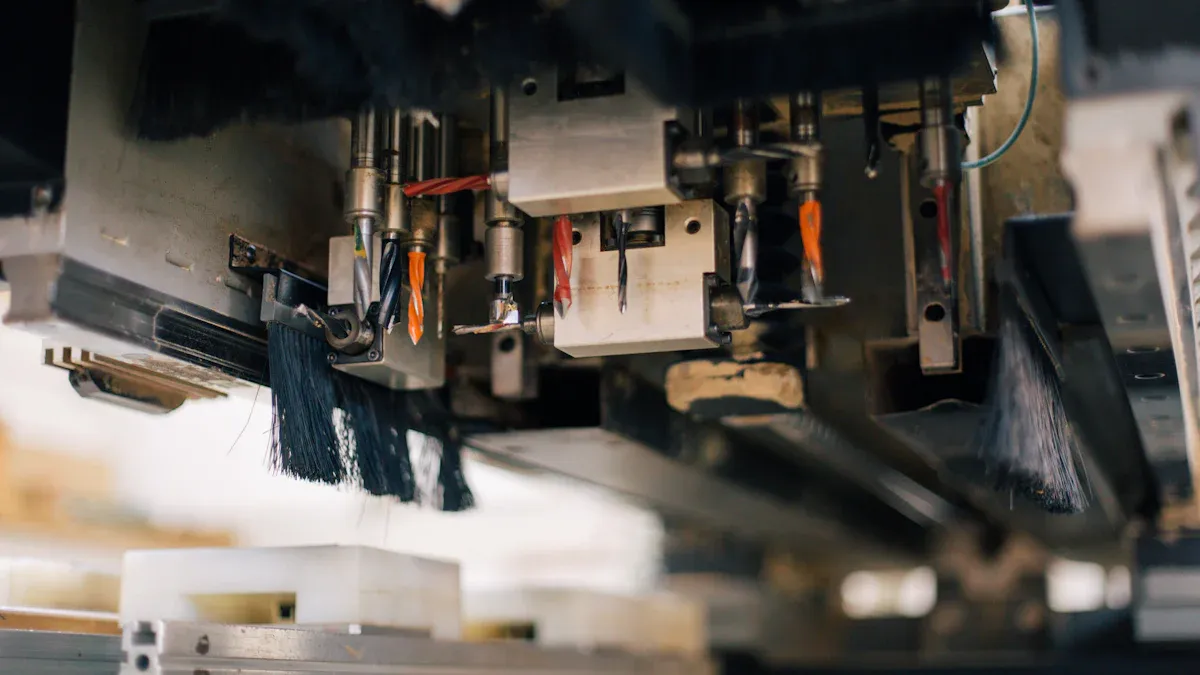
Factories use strip brushes for many jobs. Workers put them on machines to block dust and liquids. These brushes help keep the temperature steady and stop cold air. This saves energy. In car and plane factories, strip brushes keep dirt and bugs away from equipment. They also help products stay in place. Special brushes called deburring brushes help make things more accurate. This means there are fewer mistakes and less fixing needed. Factories can change strip brushes to fit different machines. This makes them useful for many tasks.
Warehouses and Distribution
Warehouses use strip brushes to keep things neat. Staff put them on conveyor belts to sweep away rubbish and guide items. This stops things from getting stuck and keeps products safe from scratches. Strip brushes also block dust, bugs, and air. This helps keep the area clean. They lower noise and shaking, making work nicer. Strip brushes protect sensors and cameras from dirt. This helps them work well. The simple design makes strip brushes easy to put in and look after. This helps workers do their jobs faster.
Doors and Windows
People use strip brushes on doors and windows to keep rooms warm. The bristles fill spaces and block cold air. This saves money on heating and cooling. Strip brushes also keep out noise, dust, and bugs. They work on metal, wood, or plastic frames. Putting on a strip brush is easy. Clean the frame, measure, attach the brush, and check the seal. Many big buildings use strip brushes to save energy and keep rooms cleaner.
Conveyor Systems
Conveyor systems need strip brushes to work well. The brushes guide items, stop jams, and clean belts. This keeps things moving and stops dirt from spreading. In food and medicine factories, it is important to stay clean. Strip brushes sweep away dirt at belt changes. This means less time fixing things and lower costs. They help protect machines and make them last longer. Workers find strip brushes easy to put on and change. This makes them a good choice for busy factories.
Strip brushes help factories and shops stay clean, safe, and quiet. They seal gaps, sweep away dirt, and protect machines. People can pick the right brush for any job because they come in many shapes and sizes.
A strip brush saves energy, lasts a long time, and works well on many surfaces.
-
They guide products gently.
-
They reduce noise and damage.
-
They keep out dust and bugs.
FAQ
What is the best way to clean a strip brush?
He can use warm water and mild soap. Let the brush dry fully before putting it back.
Can strip brushes work outdoors?
Strip brushes handle rain and sun well. Nylon and stainless steel types last longer outside.
How does someone choose the right strip brush?
Learn more:How to Choose the Right Door Brush Strip for the Best Sealing Effect
|
Need |
Best Choice |
|---|---|
|
Dust Control |
Nylon Filaments |
|
Heat Resistance |
Stainless Steel |
|
Soft Cleaning |
Tampico or Horsehair |