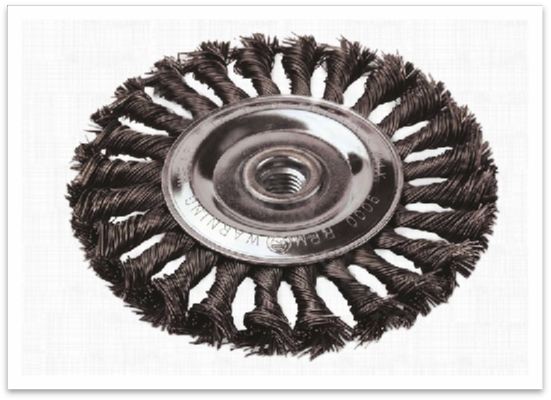
If you want the best grinder brush wheel for your drill, pick a knotted wire brush or a stainless steel wheel brush. These grinder tools last longer and shed less wire. You get strong wire bristles that clean fast. This grinder brush gives you safety and top results every time.
Key Takeaways
-
Pick the best grinder brush wheel for your task: knotted wire wheels are good for hard cleaning, brass-coated ones work well on softer metals, and nylon brushes are best for gentle surfaces. – Always make sure the brush size and shank fit your drill, use the right RPM rating, and wear safety gear to stay safe and do a good job. – Take care of your wire brush by cleaning it after you use it, keeping it dry when you store it, and changing it if the wires are broken so it lasts longer.
Grinder Brush Wheel Comparison
Key Features
Let’s look at the main features you’ll find in a grinder brush wheel for your drill. You want to pick the right one for your job, so here’s a handy table to help you compare:
|
Brush Wheel Type |
Material |
Shank Size |
Best For |
Wire Style |
|---|---|---|---|---|
|
Stainless Steel |
1/4″ |
Heavy rust, welds |
Knotted |
|
|
Carbon Steel |
1/4″ |
Light rust, paint |
Crimped |
|
|
Brass-Coated Steel |
1/4″ |
Softer metals, detail |
Crimped |
You can use these brush wheels with your drill or angle grinder. Each one has a different wire style and material. Some work better for tough jobs, while others suit gentle cleaning.
Pros and Cons
Here’s what you need to know before you choose a grinder brush wheel:
-
Knotted Wire Wheel
-
Pros: Super strong. Lasts a long time. Handles tough jobs like removing paint or rust from metal. Wires stay in place.
-
Cons: Can scratch soft surfaces. Not great for delicate work.
-
-
Crimped Wire Wheel
-
Pros: Good for light cleaning. Flexible wires reach small spots. Less aggressive than knotted.
-
Cons: Wears out faster. Wires can shed more easily.
-
-
Brass-Coated Wire Wheel
-
Pros: Safe for softer metals. Less likely to spark. Won’t scratch as much.
-
Cons: Not as tough as stainless steel. Wears down with heavy use.
-
💡 Tip: Always check if your grinder brush wheel fits your drill or angle grinder. Look at the shank size and wire type.
Best Use Cases
You want the right tool for the job. Here’s when you should use each wire brush:
-
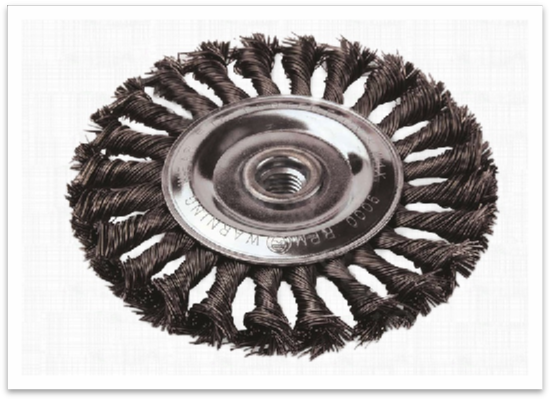
Knotted Wire Wheel: Pick this for heavy-duty cleaning. It’s perfect for removing paint, thick rust, or welding spatter from steel. Use it with your angle grinder for big jobs.
-
Crimped Wire Wheel: Choose this for light rust or old paint. It works well on metal railings or garden tools. You can use it for quick touch-ups.
-
Brass-Coated Wire Wheel: This one is best for softer metals like brass or copper. It’s also good for cleaning battery terminals or car parts.
-
Braided Wire Wheel: Use this when you need to clean tight corners or deep grooves. It’s strong and gets into places other brushes can’t reach.
-
Nylon Cup Brush: Go for this if you need to clean plastic, wood, or painted surfaces without scratching. It’s gentle and safe.
If you use the right grinder brush wheel, you’ll get better results and keep your drill or angle grinder safe. Always match the wire brush to your project for the best outcome.
Why Knotted Wire Wheels Stand Out
Performance
You want a tool that gets the job done fast and right. Knotted wire wheels give you that edge. When you attach one to your angle grinder, you feel the power straight away. The twisted wire bundles cut through thick rust and old paint with ease. You do not need to press hard. The brush does the work for you. If you have ever tried cleaning rust off steel, you know how stubborn it can be. A knotted wire wheel makes it simple. You can use it on big metal gates, car parts, or even old tools. The wires stay tight and do not spread out, so you get a focused, strong cleaning action every time.
Tip: If you want to clean welds or remove heavy corrosion, pick a knotted wire wheel for your angle grinder. You will see results much faster than with a crimped brush.
Durability
You do not want to keep buying new tools. Knotted wire wheels last much longer than other types. The wires twist together, which makes them tough. They do not break or shed as much as crimped wires. You can use them for many tough jobs before you see any wear. Some brands, like Weiler, make stainless steel knotted wheels that hold up even after hours of cleaning. Brass-coated hardened steel wire wheels also last a long time and resist rust. If you use your angle grinder often, you will notice the difference. You spend less time changing brushes and more time working.
-
Knotted wire wheels handle heavy-duty cleaning.
-
They keep their shape, even after lots of use.
-
You save money because you do not replace them as often.
Safety
Safety matters when you use a grinder or angle grinder. Knotted wire wheels help keep you safe. The wires twist tightly, so they do not fly off easily. This means less risk of injury. You also get less wire shedding, which keeps your workspace cleaner. Some knotted wire wheels, like those with brass-coated hardened steel, offer extra protection against sparks. You can use them on many surfaces without worrying about damage. Always wear gloves and goggles, but you will feel more confident with a knotted wire wheel on your angle grinder.
Note: Never use a damaged wire brush. Always check your wheel before you start cleaning. A good knotted wire wheel gives you peace of mind and better results.
Electric Drill Wire Brushes: Selection Guide
Wire Type
You have a few choices when it comes to wire. Crimped, knotted, and braided wires all work differently. Crimped wires bend easily and suit light cleaning. Knotted wires twist together and tackle tough jobs. Braided wires reach into corners and grooves. If you want to remove heavy rust from metal, go for knotted or braided. For gentle cleaning, crimped wires do the trick.
Material
The material of your brush matters. Stainless steel works best on non-ferrous metal. Brass brushes clean softer metal without scratching. Carbon steel handles most general jobs. Always match the brush material to your workpiece. If you use the wrong one, you might damage your project.
Size and Shank
You need to check the size of the brush and the mount for the drill. Most electric drill wire brushes come with a 1/4″ shank. Make sure the mount fits your drill. A brush that is too big or too small will not work well. Always pick a size that matches your job and the mount for the drill.
RPM Rating
Every wire brush has an RPM rating. This tells you how fast you can spin it safely. Never use a grinder brush above its rated speed. Check the RPM on the packaging before you mount it. Using the right RPM keeps you safe and helps your wire brushes in an electric drill last longer.
Tip: Always double-check the mount for the drill before you start. A secure mount means safer and smoother work.
Product Reviews
Knotted Wire Wheel
You want power and speed? The knotted wire cup brush gives you both. You can use it for tough cleaning jobs like removing paint or heavy rust. The twisted wires stay tight, so you get less wire shedding. This brush works best with a grinder or drill when you need to clean metal gates or tools. You might find it a bit too rough for soft surfaces, but it lasts a long time. You will notice how quickly it clears away thick grime.
Brass-Coated Wire Wheel
If you need a gentle touch, try the brass-coated wire cup brush. It cleans softer metals without scratching. You can use it on car parts or battery terminals. This brush does not spark much, so it feels safer. It does wear down faster if you use it for heavy cleaning. You will like it for detail work or when you want to protect your workpiece.
Crimped Wire Wheel
The crimped wire cup brush is your go-to for light cleaning. The flexible wires reach into small spaces. You can use it for quick jobs on garden tools or railings. It does not last as long as knotted types, and you might see more wire shedding. Still, it gives you good control and works well for touch-ups.
Safe and Effective Use
Attachment
You want your wire brush wheel to stay secure. Start by unplugging your drill or removing the battery. Pick the right brush for your job. Check the shank size matches your drill chuck. Open the chuck, insert the brush shank, and tighten it firmly. Give the brush a gentle tug to make sure it is locked in place. If you use a grinder, follow the same steps with the correct attachment. Always check the rated RPM on the brush. Never use a brush that cannot handle your tool’s speed.
Safety Tips
Safety comes first. Always wear safety goggles and gloves. Loose wires can fly off, so protect your eyes and hands. Tie back long hair and avoid loose clothing. Hold your drill or grinder with both hands for better control. Stand clear of the spinning brush. If you hear strange noises or see wires coming loose, stop right away. Cheap wire brushes can break easily. Choose a quality brush for safer work.
Tip: Test the brush at low speed before starting your project. This helps you spot any problems early.
Maintenance
Keep your wire brush in good shape. After each use, clean off dust and debris. Store it in a dry place to prevent rust. Check the wires for damage before every job. If you see bent or broken wires, replace the brush. A well-maintained brush lasts longer and works better.
You want the best results with your drill. Knotted wire wheels or brass-coated wire wheels give you strength and safety. Always match your brush to your project. Look after your tools and stay safe.
Remember: Good maintenance means your wire brush lasts longer and works better.
FAQ
What is the best way to use a grinder brush wheel with a drill?
You should check the mount for the drill, secure the wire brush, and start at low speed. This helps you control cleaning and avoid damage to metal.
Can I use electric drill wire brushes for removing paint?
Yes, you can use a wire cup brush or other wire brushes in an electric drill for removing paint from metal. Always pick the right wheel for your job.
How do I keep my wire brush in good condition?
After cleaning rust off steel or other tasks, clean the brush, store it dry, and check the wire for damage. Replace the wheel if you see broken wires.