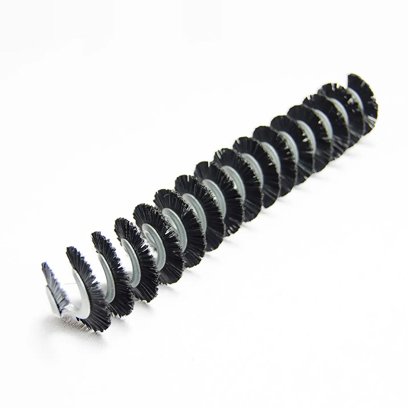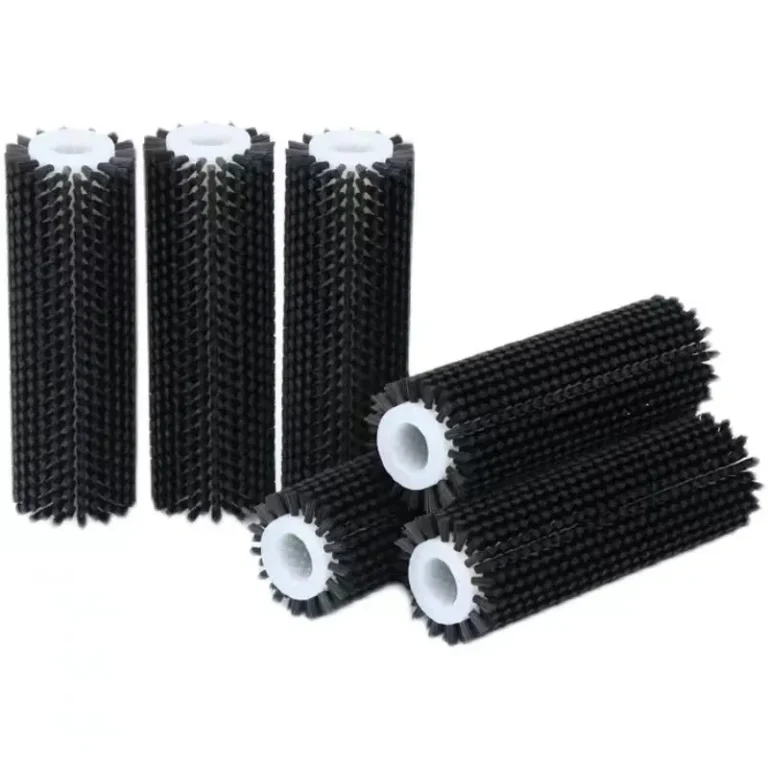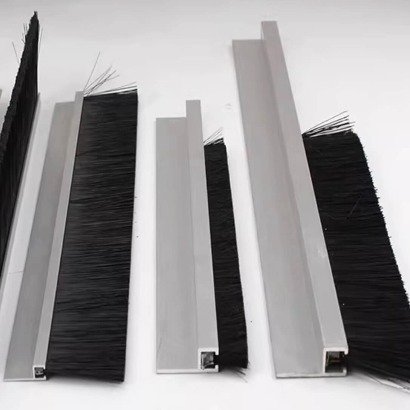
You know how cleaning pipes used to feel like a real chore? Now, with a pipe cleaning brush, you can make even the toughest jobs much easier. Modern designs, like the copper wire pipe brush, tackle stubborn debris and reach tricky spots with ease. Many people now prefer these brushes for comfort and better results, especially when compared to older tools. You get a simple, effective way to keep pipes spotless—no stress, just great results.
Key Takeaways
-
Using the right pipe cleaning brush makes tough cleaning jobs easier and more effective.
-
Choose brushes with suitable bristles and sizes to protect your pipes and remove dirt well.
-
Flexible spiral brushes reach tricky bends and narrow spots that other tools cannot clean.
-
Regular cleaning and proper care of your brush help it last longer and work better.
-
Always check your pipes and use safe cleaning methods to avoid damage and health risks.
Pipe cleaning brush challenges
Common cleaning issues
When you start cleaning a pipe, you often run into a few stubborn problems. Here are some of the most common issues you might face:
-
Clogged drains – Grease, oil, dirt, and even industrial waste can build up inside a pipe. This causes slow drainage or even complete blockages.
-
Leaking pipes and fixtures – Old or heavily used pipes can develop leaks. These leaks waste water and may damage your home or workplace.
-
Corrosion – Over time, pipes exposed to harsh substances can weaken. Corrosion leads to leaks or, in some cases, bursts.
-
Low water pressure – Clogs or leaks in a pipe often cause water pressure to drop. This makes cleaning and waste removal much harder.
-
Foul odours – If you notice bad smells coming from a pipe, it could mean there is a dry trap, a clog, or waste building up inside.
Tip: Regular cleaning with the right brush can help you avoid most of these problems before they get worse.
Hard-to-reach spots
You probably know that not every pipe is easy to clean. Pipes often twist and turn, with bends and narrow sections that collect grime. These tricky spots are where most of the dirt and debris hide. Many people struggle to reach these areas, especially in older buildings or complex plumbing systems. Flexible tools, like a spiral brush, make it much easier to get into those tight spaces. You can push the brush through the pipe, letting the bristles scrub away stubborn deposits. With the right tool, you can tackle even the most awkward corners and keep every part of your pipe clean.
Pipe Cleaning Brush Solutions
Design advantages
You might wonder what makes a spiral brush or pipe cleaning brush so effective. The answer lies in clever design. Manufacturers create these brushes for specific jobs, whether you work in a factory, a hospital, or just want to keep your home plumbing spotless. You get a tool that fits your needs perfectly.
-
Dense bristles line the brush, so you can scrub every bit of the pipe wall. This means you remove more grime with each pass.
-
Copper wire bristles give you flexibility and strength. The brush adapts to pipes of different sizes without losing its shape.
-
Outward spiral brushes let debris fall away as you clean, so you never have to stop and unclog the brush.
-
Ergonomic handles make long cleaning sessions much more comfortable. You keep control and avoid hand fatigue.
-
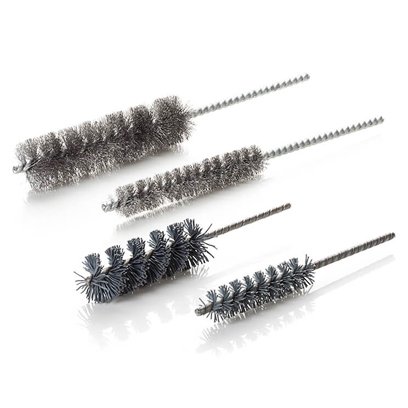
You can choose from a range of bristle materials. Nylon bristles work well for delicate surfaces. Steel wire bristles tackle tough, stuck-on debris. Copper and brass bristles offer a balance of cleaning power and rust resistance. Animal hair bristles polish fragile items without scratching them.
Note: Spiral brushes come in many shapes and sizes. You can find one for almost any job, from cleaning test tubes in a lab to scrubbing out a boiler or a kitchen drain.
Spiral brushes also suit a wide range of users. You see them in industrial workshops, medical labs, and even food processing plants. Their spiral shape and customisable bristle materials mean you always get the right tool for the task.
Effective debris removal
When you use a cleaning brush, you want to know it will actually get rid of the dirt. Spiral brushes shine here. The bristles reach deep into pipes, scraping away stubborn deposits that other tools miss. You can clean bends, corners, and narrow spots with ease.
Modern brushes do more than just scrub. They help you keep things hygienic. Laboratory tests show that brushes dry much faster than sponges. This quick drying means bacteria like Salmonella and Campylobacter cannot survive on the brush. You get a cleaner, safer tool every time you use it.
You also save money and time. In industrial settings, using a brush before soaking parts in solvent keeps the solvent cleaner for longer. This means you spend less on chemicals and waste disposal. Brushes designed for heavy-duty work last longer, too. Manufacturers test them for strength, bristle fastness, and corrosion resistance. You can trust your brush to handle tough jobs without wearing out quickly.
-
Flexible brush designs let you clean around bends and corners.
-
Long handles and extensions help you reach deep inside pipes.
-
Durable materials stand up to harsh chemicals and repeated use.
Tip: If you work in a lab or hospital, machine-based cleaning brush systems give you consistent, germ-free results. You protect both your equipment and your health.
With the right cleaning brush, you turn a tough, dirty job into something quick and manageable. You get better results, save money, and keep your pipes and equipment in top shape.
Pipe Cleaning Brush Challenges
Common cleaning issues
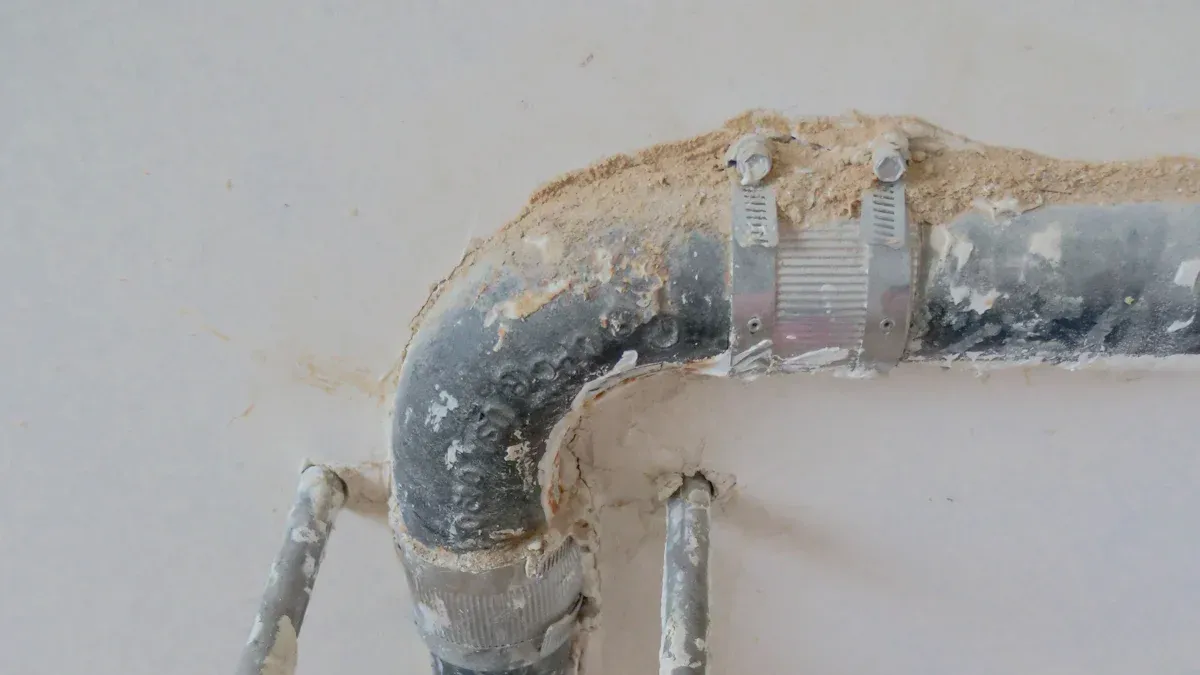
You probably know that cleaning a pipe is not always straightforward. In places like commercial kitchens and laboratories, you face a range of stubborn problems. Pipes can sit unused for a while, letting water stagnate. This stagnant water encourages bacteria to grow and reduces the effectiveness of disinfectants. Complex water systems, with lots of connected equipment, make things even trickier.
Here are some of the main issues you might run into:
-
Bacteria and viruses thrive in pipes and drains, especially when water sits still.
-
Biofilm forms, creating a sticky layer of bacteria and pathogens.
-
Mould, slime, and fungi can grow, making pipes smell bad and look unpleasant.
-
Oil and grease build up, leading to tough clogs.
-
Limescale and mineral deposits block the flow.
-
Odours come from all the buildup inside the pipe.
-
Drain flies and other pests get attracted to the mess.
-
Health risks increase, as dirty pipes can spread germs and cause cross-contamination.
-
Neglected floor drains become a source of costly blockages.
You need to keep an eye on these issues. Regular cleaning and inspection help you avoid bigger problems down the line.
Hard-to-reach spots
Cleaning every part of a pipe can feel impossible, especially when you hit bends, joints, or narrow sections. These tricky spots collect the most grime. You might wonder how to get your brush around those tight corners.
Let’s look at how different cleaning tools tackle these challenges:
|
Nozzle Type |
Key Feature |
How It Helps with Bends and Joints |
|---|---|---|
|
Spring Leader Nozzle |
Flexible spring at the front |
Guides the brush around tight bends, pushing it forward easily |
|
Downhead Nozzle |
Swivel joint with flexible spring |
Moves smoothly through tees and sharp bends, perfect for small pipes |
|
Rotary Nozzle |
Multiple angled jets |
Scours pipe walls and powers through bends with strong cleaning action |
You can see that the right tool makes a big difference. Flexible brushes and special nozzles help you reach every part of the pipe, even in the most awkward places. With these solutions, you keep your pipes clear and working well.
Types of Cleaning Brush
Spiral brush uses
You might be surprised by how many jobs a spiral brush can handle. These brushes work wonders in all sorts of places, from your home plumbing to massive industrial sites. You often see them in action cleaning out HVAC systems, boilers, and even refrigeration tubes. They help remove dust, scale, and debris, which keeps everything running smoothly and saves you money on repairs.
Here’s a quick look at where spiral brushes shine:
-
HVAC systems – Clear out dust and bacteria to improve air quality.
-
Boilers – Remove scale so your equipment lasts longer.
-
Refrigeration – Clean out ice and oil for better cooling.
-
Oil and gas – Tackle rust and contaminants in heat exchangers.
-
Food and beverage – Keep tubes hygienic for safe food production.
-
Pharmaceuticals – Maintain clean tubes for drug safety.
Spiral brushes come in different bristle materials. Carbon steel wire spiral brushes give you the most cleaning power for tough jobs like rust or thick oil. Copper-plated wire spiral brushes work well for lighter dirt and offer good corrosion resistance. Nylon wire spiral brushes are gentle, perfect for delicate surfaces or when you want to avoid scratching.
|
Brush Type |
Cleaning Efficiency |
Durability and Other Characteristics |
|---|---|---|
|
Carbon Steel Wire Spiral |
Highest for heavy dirt and rust |
Very durable, great for industrial use |
|
Copper-plated Wire Spiral |
Moderate, for light to moderate dirt |
Good corrosion resistance, ideal for electronics and precision cleaning |
|
Nylon Wire Spiral |
Lower, best for gentle cleaning |
Excellent wear resistance, safe for delicate surfaces |
Tip: Always match the brush material to the job. You’ll get better results and protect your pipes.
Pipe cleaning brush options
When you pick a pipe cleaning brush, you have plenty of choices. Each type suits a different task, so it’s important to think about what you need to clean and what your pipe is made from.
-
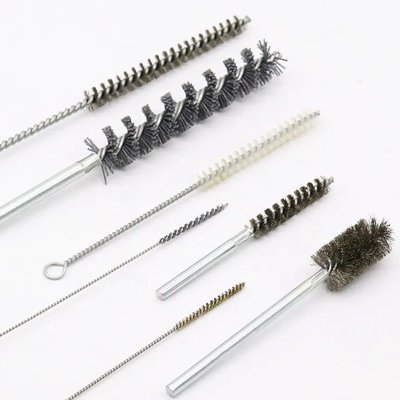
Bottle brushes (also called spiral or tube brushes) are great for plumbing and hard-to-reach spots. You can use them by hand or attach them to a power tool.
-
Tube cleaning brushes have cylindrical heads and work well for scrubbing the inside of pipes in industries like food, pharmaceuticals, and power generation.
-
Wire brushes use metal bristles for heavy-duty cleaning, such as removing rust or old paint. They’re tough but can scratch softer pipes.
-
Nylon brushes are gentle and perfect for soft deposits or delicate pipes.
Choosing the right brush makes all the difference. For example, nylon or brass brushes suit copper pipes, while stainless steel brushes work best on steel pipes. Always pick a brush that matches or is just a bit larger than your pipe’s diameter. This way, you get a thorough clean without damaging the pipe.
|
Factor |
Recommendation |
|---|---|
|
Type of Fouling |
Nylon for soft deposits, brass or steel for scale and rust |
|
Pipe Material |
Nylon/brass for copper, stainless steel for steel pipes |
|
Brush Size |
Match or slightly exceed pipe’s internal diameter |
|
Cleaning Task |
Softer brushes for light jobs, wire brushes for tough deposits |
|
Damage Prevention |
Use the least aggressive brush that still gets the job done |
Remember: The right cleaning brush keeps your pipes in top shape and saves you time and effort.
How to use a pipe cleaning brush
Preparation steps
Getting ready is half the battle when you want to clean a pipe properly. Here’s a simple checklist to help you prepare:
-
Check your pipes for leaks, corrosion, or any obvious problems. This helps you avoid surprises and choose the best cleaning method.
-
Gather everything you need. You’ll want your pipe cleaning brush, a cleaning solution, some rags, and warm water. These make it easier to break down stubborn buildup.
-
Put on gloves and safety goggles. Good ventilation is important, especially if you use any cleaning chemicals.
-
Turn off the main water supply. Drain any leftover water from the pipe before you start. This keeps things tidy and prevents spills.
Tip: Taking a few minutes to prepare saves you time and hassle later.
Cleaning technique
You want the best results, so use the right technique for your pipe. Start by picking the and bristle type. Soft bristles work well for delicate pipes, while stiff bristles tackle tough grime. If you have a power drill attachment, use it for extra cleaning power.
Follow these steps for a thorough clean:
-
Insert the brush gently into the pipe. Twist and push it through, making sure the bristles touch all sides.
-
Use a cleaning solution that matches your pipe and brush. Rinse the pipe well after scrubbing.
-
Clean your brush after each use. Rinse it, remove any trapped debris, and let it dry completely before storing.
Note: Regularly check your brush for bent or missing bristles. Replace it if it looks worn out.
Safety tips
Safety should always come first. Here are some key points to remember:
-
Always use the right brush for the job. The wrong tool can damage your pipe or make cleaning harder.
-
Wear gloves and goggles to protect your hands and eyes.
-
Store your brushes in a dry place. This keeps the bristles in good shape and prevents rust.
-
Inspect your tools before each use. Replace any damaged brushes straight away.
-
Don’t overuse chemical cleaners. They can harm your pipes and are often not needed.
|
Common Mistake |
How to Avoid |
|---|---|
|
Ignoring leaks or damage |
Check pipes before cleaning |
|
Using the wrong brush |
Match brush to pipe material/size |
|
Overusing chemicals |
Use safer alternatives when possible |
Remember: A little care goes a long way. Safe habits protect both you and your plumbing.
Brush care tips
Cleaning and storage
You want your cleaning brush to last as long as possible. Good care makes all the difference. After each use, rinse your brush under warm running water. This removes any leftover grime or cleaning solution. If you notice stubborn debris stuck in the bristles, use an old toothbrush to scrub it away. Shake off excess water and let the brush air dry completely before putting it away.
Storing your brush properly keeps it in top shape. Hang it up or place it in a holder so the bristles do not get squashed. Avoid leaving your brush in a damp spot, as this can lead to mould or unpleasant smells. If you use your brush for different jobs, label each one. This helps you avoid cross-contamination, especially if you clean both kitchen and bathroom pipes.
Tip: A dry, well-ventilated cupboard works best for storage. You keep your brush clean and ready for the next job.
When to replace
Even the best brush will not last forever. You need to know when it is time for a new one. Look for these signs:
-
Bristles look bent, frayed, or worn down.
-
The brush does not clean as well as before.
-
You see rust or damage on the handle or wire.
-
The brush smells bad, even after cleaning.
If you notice any of these, swap your old brush for a fresh one. Using a worn-out brush can scratch your pipe or leave dirt behind. Regular checks help you get the best results every time.
|
Sign of Wear |
What to Do |
|---|---|
|
Bent bristles |
Replace the brush |
|
Rusty handle |
Get a new brush |
|
Persistent odour |
Choose a fresh one |
Remember: A well-cared-for brush keeps your pipe spotless and your cleaning routine simple.
You can turn any tough cleaning job into a simple task with the right pipe cleaning brush. When you pick a brush that matches your needs, you get better results and protect your pipes.
-
Softer bristles work well for delicate surfaces.
-
Stiffer bristles remove stubborn dirt.
-
The right size and handle make cleaning easier and more comfortable.
Regular care keeps your brush working longer. Give these tools a try and see how professional your results can look!
FAQ
How often should you clean your pipe cleaning brush?
You should rinse your brush after every use. For best results, give it a deep clean once a week if you use it often. This keeps the bristles fresh and ready for the next job.
Can you use the same brush for different pipes?
It’s best to use separate brushes for different jobs. This helps you avoid cross-contamination, especially between kitchen and bathroom pipes. You can label each brush for easy identification.
What’s the best way to store your pipe cleaning brush?
Store your brush in a dry, well-ventilated spot. Hang it up or place it in a holder so the bristles keep their shape. Avoid leaving it in damp areas to prevent mould and bad smells.
Do spiral brushes work on curved or narrow pipes?
Absolutely! Spiral brushes flex and twist, so you can reach bends and tight spots with ease. You get a thorough clean, even in tricky sections where other tools struggle.