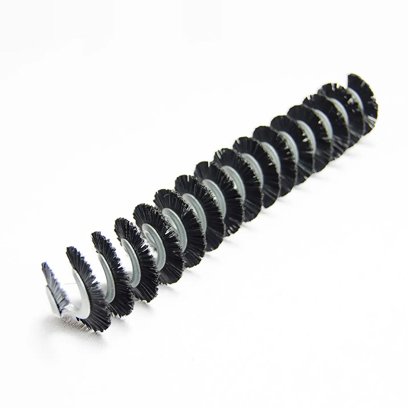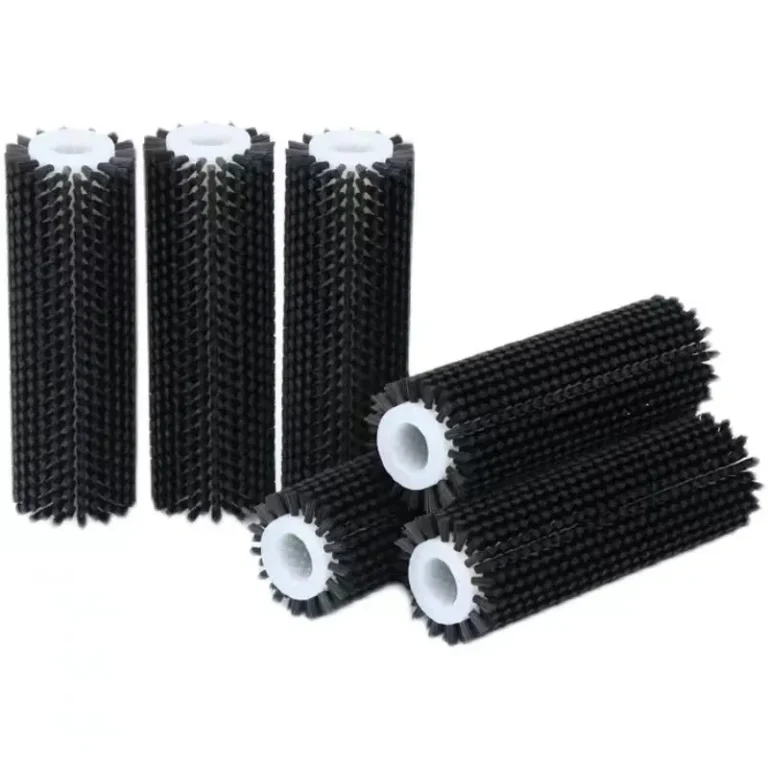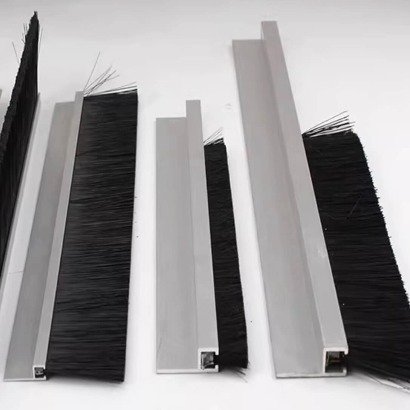
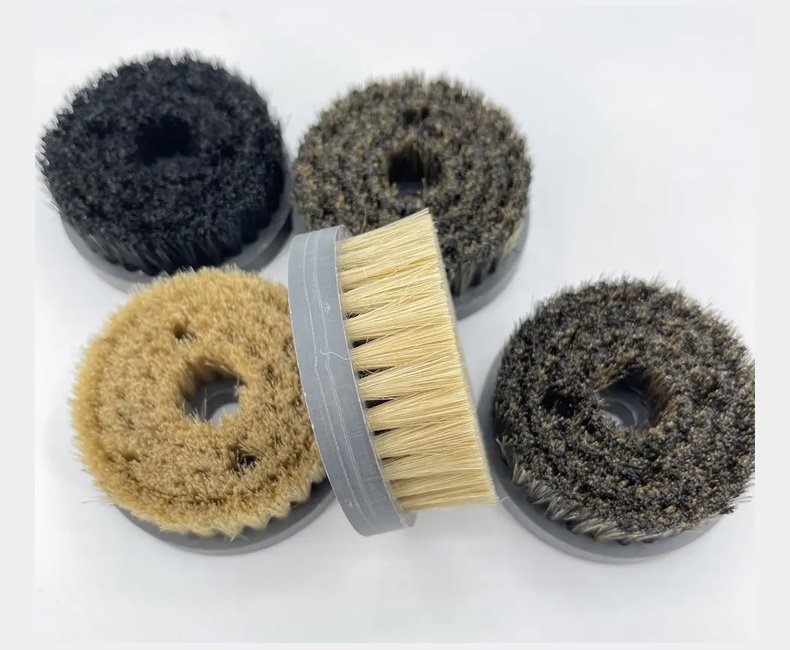
A rotary scrub brush makes cleaning much easier, whether in a home or a busy factory. They can tackle tough dirt on tiles, wood, or even upholstery. marshal’s Disk Brush stands out for its adaptability and strength. People get the best results when they match the brush head to the surface and pick the right cleaning products. Some prefer a manual scrubber, while others reach for an electric spin scrubber to save time. Eco-friendly habits help keep spaces spotless and the environment safe.
Key Takeaways
-
Pick the correct brush head for each surface. This helps you clean better.
-
Follow easy steps to clean different surfaces. This keeps things safe and works well.
-
Clean your rotary scrub brush often. This helps it last longer.
-
Change brush heads when they look worn out. This keeps your cleaning strong.
-
Use eco-friendly cleaning products. This protects your surfaces and the environment.
Rotary Scrub Brush Basics
Types and Materials
A rotary scrub brush spins to clean dirt from many surfaces. People use a manual scrubber for small jobs. An electric spin scrubber is good for big areas. It helps you clean faster and with less effort. These brushes come in many shapes and sizes. Some have soft bristles for gentle cleaning. Others have hard bristles for tough stains.
There are different types of brush heads. Some are made of nylon, abrasive wire, or sisal. Nylon brushes are good for tiles, laminate, and delicate surfaces. They do not scratch easily and last a long time. Abrasive wire brushes are for heavy-duty cleaning. They can clean concrete, metal, or stone. These brushes remove rust and tough dirt. Sisal brushes use natural fibres. They are gentle and best for wood or soft surfaces.
Tip: Always pick the right brush material for your surface. This helps you get the best results and stops damage.
marshal Disk Brush Overview
marshal makes the Disk Brush. It is strong and works well for home or factory cleaning. The Disk Brush has a round shape. It uses good materials like nylon, polypropylene, and steel wire. This makes it tough and long-lasting. The brush has three main parts: the brush wire, the disk, and the shaft. Each part helps the brush spin and clean well.
The Disk Brush fits into small spaces and spins fast. It removes dirt, residues, and oxides from many surfaces. People use it for cleaning, grinding, and polishing in factories. The brush can be changed for different jobs. It comes in many sizes and hardness levels. This makes it useful for many cleaning needs. You can use it with a manual scrubber or an electric spin scrubber. The Disk Brush always gives great results.
Brush Material Choice
Choosing the right brush material makes cleaning much easier. Each type of brush head works best on certain surfaces. The marshal Disk Brush offers many options, so users can pick the perfect match for their needs.
Nylon
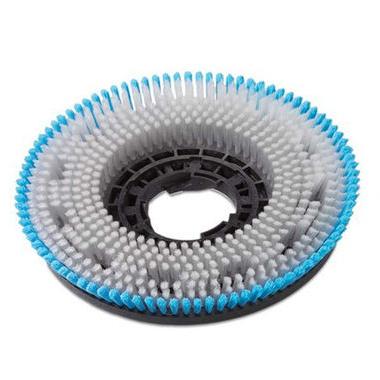
Nylon scrub brush heads work well for everyday cleaning. They suit tiles, laminate, vinyl, and even some painted surfaces. Nylon bristles feel soft but clean deeply. They do not scratch or damage delicate areas. Many people use nylon brushes in kitchens and bathrooms. These brushes also handle light dirt on wood floors. The marshal Disk Brush can use nylon bristles for gentle but effective cleaning.
Tip: Nylon brushes last a long time. Rinse them after each use to keep them fresh.
Abrasive Wire
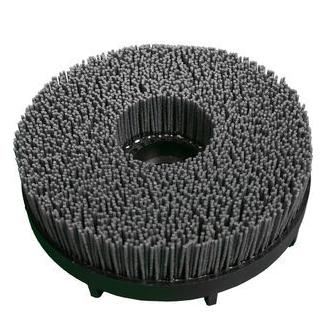
Abrasive wire scrub brush heads tackle tough jobs. They work best on concrete, stone, and metal. These brushes remove rust, paint, and stubborn grime. Factories often use abrasive wire brushes for heavy-duty cleaning. The marshal Disk Brush can be fitted with abrasive wire for industrial tasks. Always wear gloves and eye protection when using these brushes.
-
Use abrasive wire on:
-
Garage floors
-
Workshop benches
-
Outdoor paving
-
Sisal
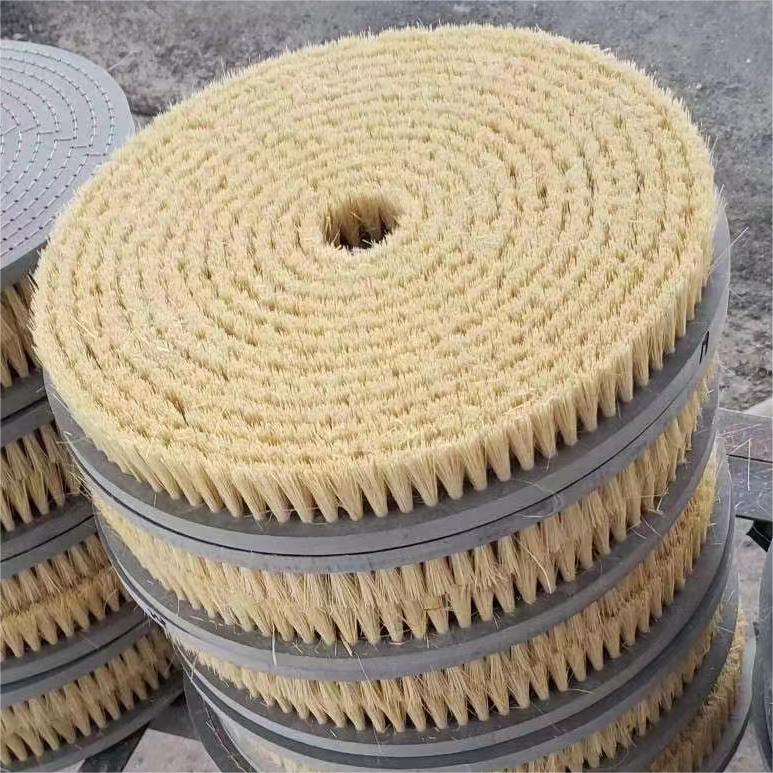
Sisal scrub brush heads use natural fibres. They feel softer than wire but firmer than nylon. Sisal works well on wood, decking, and some outdoor furniture. Many people choose sisal for eco-friendly cleaning. The marshal Disk Brush can be customised with sisal bristles for gentle scrubbing. Sisal brushes also suit surfaces suitable for a bristle brush, like untreated wood or garden tools.
Note: Let sisal brushes dry fully after use. This helps them last longer.
The marshal Disk Brush stands out because users can swap brush heads easily. This means one tool can clean many surfaces, from delicate tiles to rough concrete.
How to Use It on Different Surfaces
Hard Floors and Tiles
Cleaning hard floors and tiles can feel like a big job, but a rotary scrub brush makes it simple. Start by sweeping or vacuuming the area to remove loose dirt. Next, choose a nylon brush head for your scrubber. Nylon bristles work well on tiles and do not scratch the surface.
-
Fill a bucket with warm water and add a small amount of cleaning solution.
-
Dip the brush head in the solution or spray the floor lightly.
-
Attach the brush to your electric spin scrubber or use a manual one if the area is small.
-
Turn on the scrubber and move it slowly across the floor. Let the brush do the work.
-
For stubborn stains, press gently and let the bristles spin over the spot for a few seconds.
-
Wipe away dirty water with a mop or cloth.
Tip: Always rinse the floor with clean water after cleaning. This helps remove any leftover soap.
People often use this method for cleaning bathtubs as well. The rotary scrub brush reaches corners and removes different types of stains, like soap scum or limescale.
Wood and Decking
Wood and decking need a gentle touch. Too much pressure can damage the surface. Choose a sisal or soft nylon brush for these jobs.
-
Sweep away leaves and dust before cleaning.
-
Mix a mild cleaning solution with water.
-
Attach the right brush head to your electric spin scrubber.
-
Move the scrubber along the grain of the wood. Do not press too hard.
-
For stains, let the brush spin over the spot for a short time.
-
Rinse the area with clean water and let it dry.
Note: Always test the cleaning solution on a small area first. Some wood finishes react to strong chemicals.
Manual scrubbers work well for small decks or steps. Electric spin scrubbers save time on larger areas.
Concrete and Stone
Concrete and stone surfaces often collect tough dirt. An abrasive wire brush head fits best for these jobs. Always wear gloves and eye protection when using a rotary scrub brush on these surfaces.
-
Remove loose debris with a broom.
-
Wet the area with water to stop dust from flying.
-
Use a cleaning solution made for stone or concrete.
-
Attach the abrasive wire brush to your electric spin scrubber.
-
Move the scrubber in circles over the surface. Focus on stains and rough spots.
-
Rinse the area with plenty of water.
Tip: Use eco-friendly cleaning products to protect plants and soil nearby.
Manual scrubbers can clean small patches, but electric spin scrubbers cover large driveways or patios quickly. This method works well when you want to clean paths and driveways.
Fabric and Upholstery
Cleaning fabric and upholstery needs care. Use a soft nylon brush head to avoid damage.
-
Vacuum the fabric to remove dust and crumbs.
-
Mix a gentle cleaning solution with water.
-
Lightly dampen the fabric. Do not soak it.
-
Attach the nylon brush to your electric spin scrubber or use a manual scrubber for small spots.
-
Move the brush gently over the fabric. Do not press hard.
-
Blot the area with a dry towel to remove extra moisture.
Note: Always test the cleaning solution on a hidden spot first.
Let the fabric dry fully before using it again. This stops mould and keeps the fabric fresh.
Industrial and Outdoor
Industrial and outdoor areas often need heavy-duty cleaning. The marshal Disk Brush works well here. Choose an abrasive wire or stiff nylon brush for these jobs.
-
Clear away large debris before starting.
-
Pick a cleaning solution that matches the surface.
-
Attach the right brush head to your electric spin scrubber.
-
Move the scrubber over the area, focusing on stains and built-up grime.
-
For very tough spots, let the brush spin longer in one place.
-
Rinse with water or wipe with a damp cloth.
Safety: Always wear gloves, eye protection, and sturdy shoes when cleaning large or industrial spaces.
People use this method for cleaning floors in factories, workshops, and outdoor spaces. The rotary scrub brush helps remove oil, paint, and other stubborn marks.
Eco Tip: Collect dirty water and dispose of it safely. This keeps chemicals out of drains and gardens.
By following these steps, anyone can learn how to use it for cleaning many surfaces. The right scrubber and brush head make every job easier and safer.
Tips and Maintenance
Cleaning and Storage
Keeping a rotary scrubber in top shape starts with regular cleaning. After each use, users should rinse the brush head under running water. This step removes leftover cleaning solution and dirt. For stubborn grime, a quick soak in warm, soapy water helps. People can use an old toothbrush to scrub between the bristles. Drying the brush head is important. Lay it flat or hang it up in a well-ventilated area. This stops mould and keeps the brush fresh.
Storing the scrubber in a dry place extends its life. Avoid leaving it in damp cupboards or outdoors. For the marshal Disk Brush, users can keep the brush and shaft separate if possible. This makes storage easier and protects the parts. Eco-friendly cleaning habits matter too. Choose biodegradable cleaning products and reuse old towels for drying.
Tip: Always check the brush head for wear before storing. Replace it if the bristles look bent or worn out.
Replacing Brush Heads
A good scrubber works best with a fresh brush head. Over time, bristles lose their shape and cleaning power. Users should check the brush head every few weeks, especially after heavy cleaning jobs. The marshal Disk Brush makes swapping heads simple. Just twist off the old head and attach a new one. This quick change keeps cleaning results strong.
People should pick the right brush head for each surface. Nylon works for tiles, abrasive wire for concrete, and sisal for wood. Keeping spare heads on hand saves time during big cleaning tasks.
Troubleshooting
Sometimes, a scrubber might not clean as well as before. If the brush head spins slowly, check for tangled hair or debris. Remove anything stuck in the bristles. If the scrubber makes odd noises, look at the shaft and disk for signs of damage. Tighten any loose parts.
If cleaning results seem poor, try a different brush head or cleaning solution. Always follow the manufacturer’s instructions for the marshal Disk Brush. Regular checks and quick fixes keep the scrubber ready for any cleaning challenge.
Note: If problems continue, contact the supplier for advice or replacement parts.
Using a rotary scrub brush makes cleaning easier at home or in a factory. People get the best results when they:
-
Pick the right brush head for each surface
-
Follow simple steps for safe and thorough cleaning
-
Keep the brush clean and replace heads when needed
For tough industrial jobs or more advice, they can always reach out to marshal. Clean smarter, not harder, and help the environment at the same time!
FAQ
How often should someone replace the brush head?
Most people swap out the brush head every few months. Heavy use means it wears out faster. If bristles look bent or cleaning feels less effective, it’s time for a new one.
Can the marshal Disk Brush clean outdoor furniture?
Yes, it can. Users fit a sisal or soft nylon head for gentle cleaning. The brush removes dirt from wood, plastic, or metal garden furniture without causing damage.
Is it safe to use a rotary scrub brush on painted surfaces?
People use a nylon brush for painted surfaces. Nylon bristles clean without scratching. Always test on a small area first to check for any reaction.
What cleaning products work best with rotary scrub brushes?
Mild, eco-friendly cleaners suit most jobs. Strong chemicals may harm some surfaces. Users read product labels and choose solutions that match the material they want to clean.
Do electric spin scrubbers use more water than manual ones?
No, they don’t. Electric spin scrubbers clean faster, so users often use less water. The brush’s speed helps lift dirt quickly, making cleaning more efficient.
Tip: Always follow the manufacturer’s instructions for best results and safety.