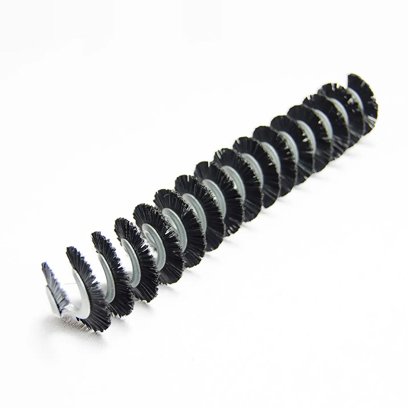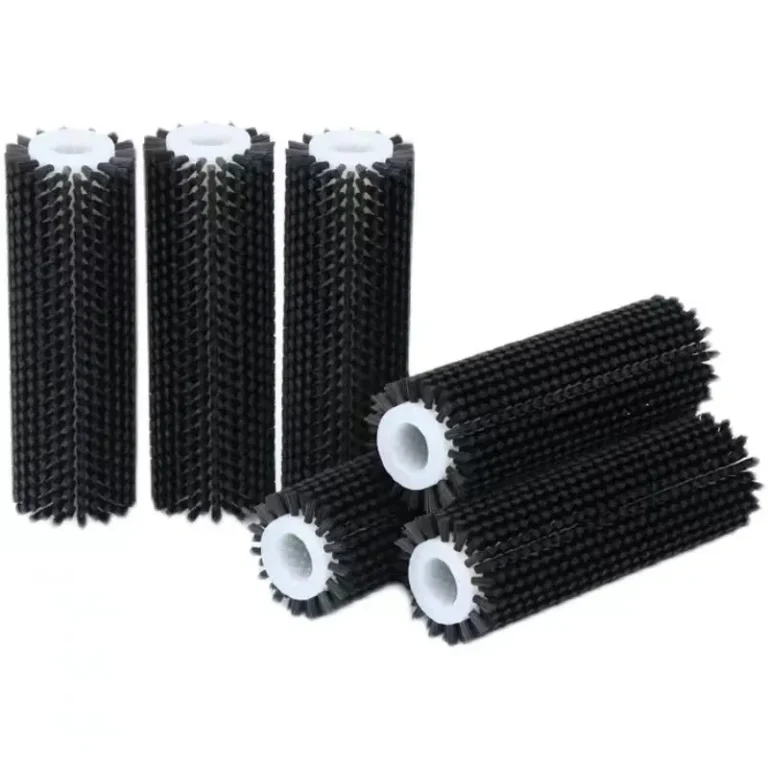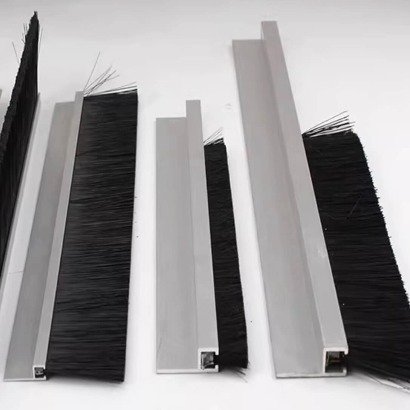
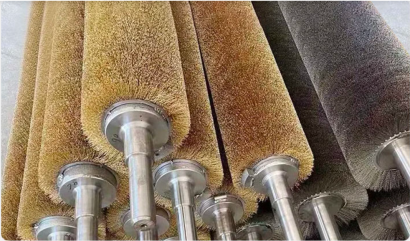
Choosing the right drum sander wire brush begins with a thorough understanding of the project’s material. It is also essential to know the desired finish. One should always check the brush type, considering the filament length and grit. It is crucial to ensure that the brush fits the drum sander properly. Many people make mistakes when selecting a drum sander wire brush; they often pick the wrong brush or use too much pressure during the sanding process.
|
Common Mistakes |
Causes |
|---|---|
|
Using the wrong type of brush |
Not matching brush to the cleaning task |
|
Applying excessive pressure |
Leads to damage and quick wear |
|
Using a brush that’s too abrasive |
Scratches or gouges the surface |
|
Not cleaning brushes after use |
Debris builds up and reduces effectiveness |
An abrasive steel wire brush drum works best when matched carefully to the job.
Key Takeaways
-
Find out what material your project uses before picking a brush. Wood and metal need different brushes for the best results.
-
Pick the right grit size for the finish you want. Coarse grits take off marks. Fine grits make the surface smooth.
-
Always check if the brush works with your drum sander. Make sure the size and connection type are the same. This helps stop fitting problems.
Drum Sander Wire Brush Types
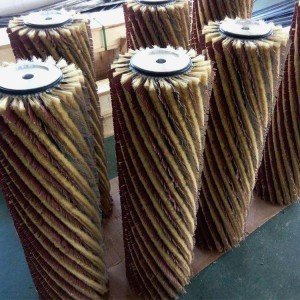
To pick the right drum sander wire brush, you need to know the main types. Each type is good for different jobs. If you know the differences, you can get the finish you want.
Crimped vs Twisted Knot
-
Crimped wire brushes have soft and bendy wires. They are good for light cleaning and taking off paint. They also help make a smoother finish.
-
Twisted knot wire brushes have hard, twisted wires. These are best for tough jobs like taking off rust or hard dirt. They last longer and work faster.
Tip: Use twisted knot brushes for heavy rust or when getting ready to paint. Use crimped brushes for light cleaning or if you want a smooth finish.
|
Type of Brush |
Advantages |
Disadvantages |
|---|---|---|
|
Crimped Wire Brush |
Not too rough, good for light cleaning |
Not good for tough jobs |
|
Twisted Wire Brush |
Strong, good for hard work |
Can hurt surfaces if used too hard |
Filament Materials
The brush filament material changes how the drum sander wire brush works.
|
Filament Type |
Application |
Characteristics |
|---|---|---|
|
Nylon |
Wood |
Does not spark, gentle, good for careful work |
|
Metal |
Metal |
Strong, good for hard cleaning jobs |
Nylon filaments are good for wood and soft surfaces. Metal filaments, like steel or copper-coated, are for metal and hard jobs.
Grit and Filament Length
Grit size changes how much the brush takes off. Big grit takes off more but can scratch. Small grit makes things smooth and shiny. Short filaments work harder, but long filaments are softer.
A drum sander wire brush with the right grit and filament length lets you choose if you want a rough or smooth finish.
Choosing the Right Sander Brush
Project Material
When selecting a drum sander wire brush, the material being worked on should be the primary consideration. Wood, metal, and composite materials each require different types of brushes. Nylon filament brushes are often suitable for wood, as they do not generate sparks and provide a gentler finish. For metals such as aluminium or stainless steel, more durable steel wire brushes are recommended. These robust brushes effectively smooth and even out the surface. The choice of drum sander wire brush directly influences the final texture, determining whether the result is rough or smooth.
Tip: Aluminium filament wire brushes can give a finish like sandpaper.
Here is a table to help match materials to brush types and grits:
|
Project Material |
Recommended Brush Type |
Filament Material |
Grit Level |
Finish Quality |
|---|---|---|---|---|
|
Wood |
Crimped |
Nylon |
Fine |
Smooth, gentle |
|
Metal (Aluminium, Stainless Steel) |
Twisted Knot |
Steel |
Medium/Coarse |
Textured, uniform |
|
Composite |
Crimped |
Nylon |
Medium |
Even, controlled |
Desired Finish
Some projects need a smooth, shiny look. Others need a rough or old look. Finer grits make lighter colours and a smoother look. Coarser grits make darker colours and a rougher finish. If it skips grits, deep marks can stay. This makes it hard to get a smooth surface later.
|
Desired Finish |
Brush Type |
Filament Length |
Grit |
Application |
|---|---|---|---|---|
|
Smooth/Polished |
Crimped |
Short |
Fine |
Light cleaning, final sanding |
|
Textured/Distressed |
Twisted Knot |
Long |
Coarse |
Rust removal, weathered look |
|
Weathered/Wire-Brushed |
Wire Brush Roller |
Long |
Medium/Coarse |
Distressing wood, reclaimed look |
Note: Wire brushes are often used to make wood look old or worn.
Start with coarse grit and move to fine grit. Coarse grit removes marks and bumps. Finer grit makes the surface smoother.
Brush Dimensions & Connection
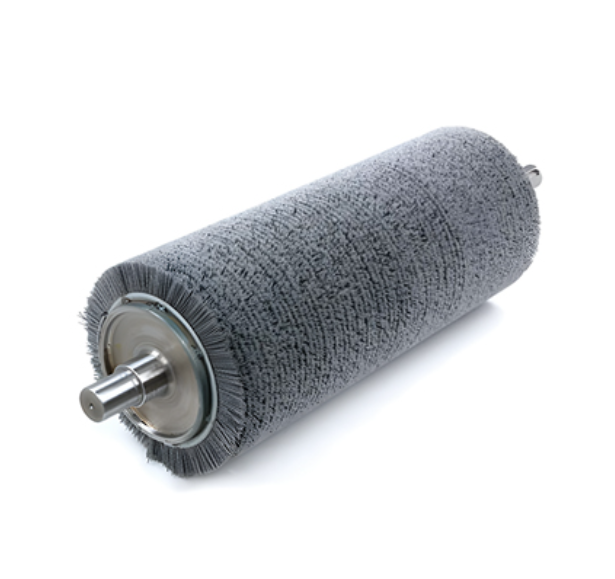
The drum sander wire brush must be checked to ensure it fits the drum sander properly. The size, filament length, and connection type all matter. Bigger brushes, like 6″ or 8″, are for larger jobs. Short filaments work harder and make a rougher finish. Long filaments are softer and give a gentle touch.
|
Brush Size |
Suitable For |
Filament Length |
Connection Type |
Compatibility |
|---|---|---|---|---|
|
6″ |
Small/Medium Projects |
Short |
Shaft/Core |
Most drum sanders |
|
8″ |
Large Projects |
Long |
Clip/Coil |
Widebelt drum sanders |
Tip: It is essential to always hold the part tightly to prevent movement and ensure the finish is correct.
To select the appropriate sander brush, one must match the brush type, grit, and size to the specific job requirements. It is also crucial to verify that the brush is compatible with the drum sander and suitable for the project at hand.
Drum Sanders: Selection Guide
Assessing Needs
Choosing the right drum sander begins with a clear understanding of the project requirements. It is important to consider the material being worked on—whether it is hard or soft wood, MDF, or metal. The shape of the pieces also varies, with some being flat while others have curves or profiles. The user needs to determine whether the task involves rough sanding, shaping, or achieving a fine finish. The size of the project is also a significant factor; larger surfaces may require larger brushes, while smaller details demand more precise control.
-
When making a selection, the following aspects should be contemplated:
-
The type of material and its shape.
-
The sanding application—rough, shaping, or finishing.
-
The sanding technique—wide belt or hand sanding.
-
Possible issues like static, swirls, or torn discs.
-
His budget, time, and finish quality.
-
Compatibility Check
He must check that the drum sander wire brush fits his drum sander. The brush size, filament length, and connection type all matter. Metal wire brushes work best for heavy-duty jobs like rust removal. Nylon brushes suit wood and delicate surfaces.
|
Step |
What to Check |
Why It Matters |
|---|---|---|
|
1 |
Brush size matches sander |
Prevents fitting issues |
|
2 |
Filament material suits project |
Protects workpiece |
|
3 |
Connection type fits sander |
Ensures safe operation |
Choosing the right drum sander wire brush starts with knowing the material and finish. You should understand brush types and grits, then follow a clear process. Using the correct brush gives a professional finish.
-
The right tool and grit improve results.
-
Proper brush size and type boost efficiency. Good choices mean less waste and cleaner work. Drum Sander Wire Brush.
 FAQs
FAQsQ1. Is it safe to use a wire brush on a drum sander?
Yes, but safety is critical. Always wear safety goggles and heavy-duty gloves to protect against flying bristles. Ensure the workpiece is firmly clamped to prevent kickback if the brush catches an edge.Q2. How do I know when to replace the wire brush?
Replace the brush when filaments are worn down by half or start breaking off. If the brush no longer cuts effectively despite normal pressure, the bristles are likely worn out and straining your sander’s motor.Q3. Can I clean a clogged wire brush?
Yes. Use a wire brush comb or run the brush against scrap wood to clear debris. For stubborn buildup, soak in a solvent like mineral spirits, but ensure the brush is completely dry before storage to prevent rust.
Q4. Can I use wire brushes with water or coolants?
Generally, no. Standard carbon steel brushes will rust quickly. For wet applications, you must use stainless steel or brass brushes. For most drum sander tasks, dry brushing is preferred to prevent sludge buildup.
FAQs
Q1. Is it safe to use a wire brush on a drum sander?
Q2. How do I know when to replace the wire brush?
Q4. Can I use wire brushes with water or coolants?
Generally, no. Standard carbon steel brushes will rust quickly. For wet applications, you must use stainless steel or brass brushes. For most drum sander tasks, dry brushing is preferred to prevent sludge buildup.