Choosing the best nylon cylinder brush starts with your cleaning job. Pick the right filament, core, mounting, bristle stiffness, size, and pattern. Think about how tough the brush is. Check if it will touch water or chemicals. Make sure it is flexible and safe. Nylon wire brushes work on many surfaces. The right cylinder cleaning brush helps brushes last longer.
-
Filament type and how tough it is
-
Core and how you mount it
-
Bristle stiffness and pattern
-
Size, trim, and how thick it is
-
If it touches water or chemicals
-
How flexible it is and heat range
-
If it is safe for food or medical use
Key Takeaways
-
Pick the best nylon cylinder brush for your cleaning task. Think about the filament type, how stiff the bristles are, and the size. This helps you clean well.
-
Use the right brush for the surface you want to clean. Stiff bristles work well on metal. Soft bristles are better for glass and plastic. This stops scratches from happening.
-
Looking after your brushes makes them last longer. Clean them often and look for signs of damage. This keeps your brushes working well.
Nylon Cylinder Brush Types
What Is a Nylon Cylinder Brush
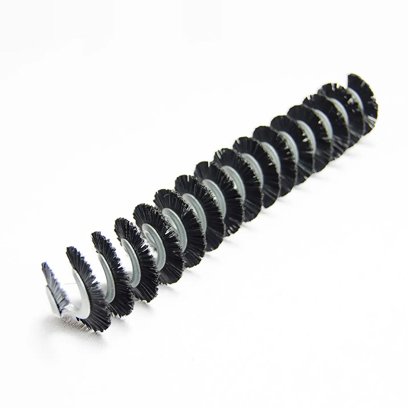
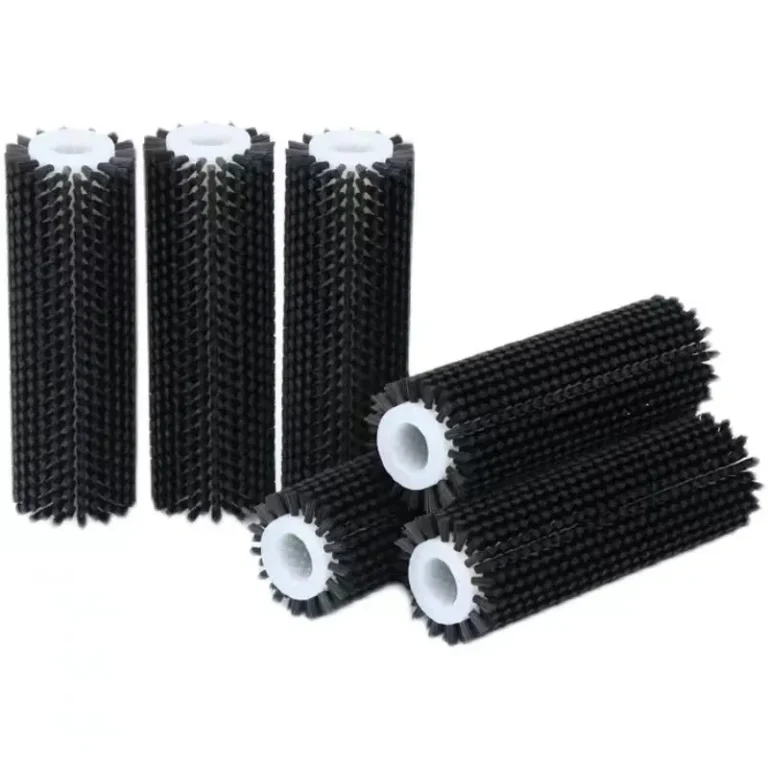
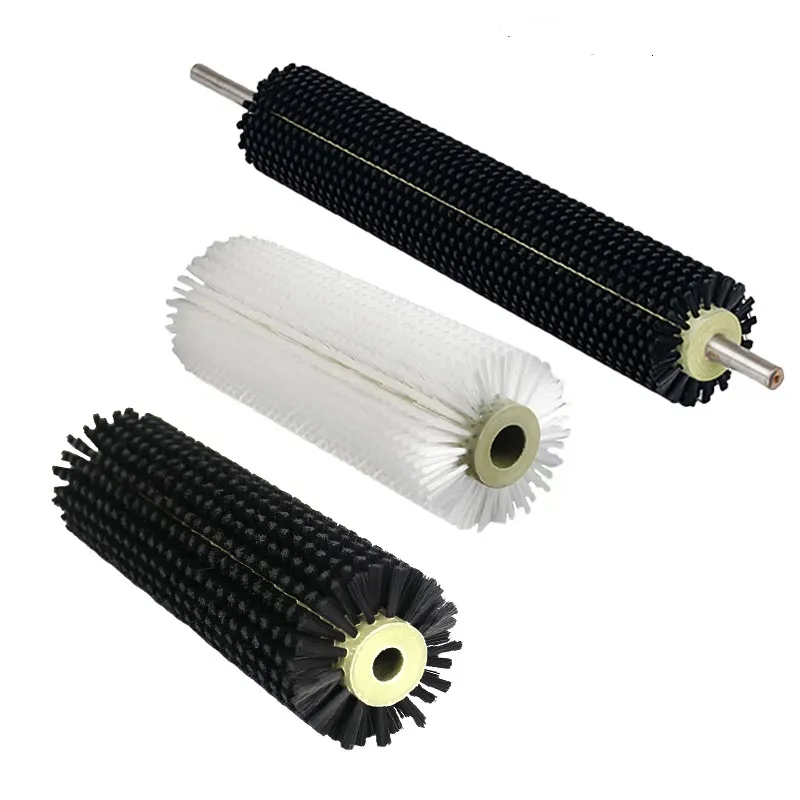
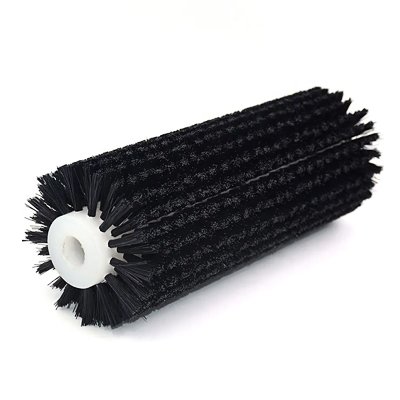
A nylon cylinder brush is used for cleaning and polishing. It is made for finishing jobs too. The brush has a round core. This core can be plastic, wood, or metal. Rows of nylon bristles are attached to the core. These bristles are tough and bend easily. They clean surfaces without scratching them. They also do not cause rust. You can mount these brushes in different ways. Some are shaft-mounted, some are core-mounted. Others are stem-mounted or flange-mounted. Each type fits a certain machine or job.
Nylon cylinder brushes are special because of their nylon filaments. These filaments often have grit inside them. This makes them good for gentle and hard cleaning. They work well on soft metals and plastics. They are safe for surfaces that scratch easily. People use them when metal brushes might cause harm.
Tip: Always make sure the brush matches the material you want to clean.
Main Applications
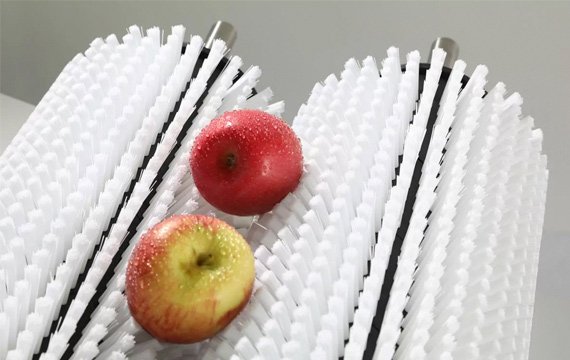
Cylinder brushes are important in many jobs. People use them to clean conveyor belts. They also clean items that move on belts. They help in food factories to wash and wax fruit and vegetables. In labs, they clean test tubes and glassware. They polish, deburr, and finish surfaces in factories. They spread glue or paint. They clean and finish soft metals, plastics, and coated things. They remove dust, paint, or rust from products.
Nylon makes these brushes good for light and heavy cleaning. They last long because they go back to shape after bending. These brushes are safe for food and medical tools. Their bristles are smooth and do not soak up water. Special brushes help with tricky cleaning jobs, like metal finishing or packaging.
Nylon cylinder brushes are softer than metal brushes. They clean and finish without scratching or rusting things. This makes them good for cars, planes, food factories, and electronics. They also help smooth and deburr without making deep marks.
Cylinder Brush Selection Criteria
Material and Filament Hardness
It is the type of nylon material that defines most of the performance characteristics of the brush. Nylon 6 can be applied in household use. For industrial applications that require heat resistance and strength, use Nylon 6.6 as it is heat-resistant and strong. Nylons 610 and 612 are to be preferred when water and chemical resistances are required; hence they shall be used for applications involving cleaning food and medical products. Use nylons 11 and 12 when long life and UV resistance are demanded.
Filament hardness is as essential for cleaning effectiveness as it is adaptable to surfaces being cleaned. In general, hard filaments are good for heavy dirt and oil stains whereas soft filaments are good for easily scratched surfaces.
Size and Pattern
Bigger and smaller brushes decide the place and quickness of cleaning. Big round brushes can clean big places fast, while small ones are good for careful work. Cylindrical brush patterns also change, going from rough abrasives used for strong scrubbing to mild abrasives used for light polishing.
Nylon Wire Cylinder Brush work for wet and dry cleaning. They can be used on many surfaces and jobs. Always pick the right brush size and pattern for your job. This makes cleaning quicker and saves time.
Maintenance and Lifespan
Proper care will allow your nylon cylindrical brush to last its full intended lifespan. Regular inspection and cleaning will assure against premature wear, Cleanliness of the brush with storage in a dry place away from harmful chemicals will add years to its life.
|
Maintenance Task |
Frequency |
Purpose |
|---|---|---|
|
Visual inspection |
Weekly |
Detect early wear, bristle loss, or debris |
|
Light cleaning |
Bi-weekly |
Remove dust and buildup |
|
Deep cleaning |
Monthly |
Restore full filament flexibility |
|
Lubricate mounting parts |
Monthly |
Prevent vibration-related damage |
|
Brush alignment check |
Quarterly |
Avoid uneven wear |
|
Replace damaged brushes |
As needed |
Ensure proper functionality |
Abrasive nylon brushes last longer if you clean them often. Industrial brushes work better if you deep clean and check them every month. People say nylon cylinder brushes are great for removing dust and cleaning gently.
Tip: Keep cylinder brushes dry and away from strong chemicals to help them last longer.
Quick Comparison Checklist
It can be hard to choose the right brush. Use this checklist to help you decide:
-
What surface are you cleaning? (Metal, glass, plastic)
-
Which filament type is best? (Nylon, abrasive nylon, PBT)
-
What fill pattern do you need? (Straight, spiral, segmented)
-
Does the brush size fit the area you must clean?
-
Can the brush handle your machine’s speed and pressure?
-
Is the brush simple to put on and look after?
Choosing the right nylon cylinder brush begins with knowing your cleaning job. You need to match the brush to the surface and task. There are many types of industrial cylinder brushes for different jobs. You can talk to suppliers for help or ask for samples to try. Picking the right brush helps you clean better and makes the brush last longer.