Abrasive roller brush technology has changed industrial finishing. Many industries now get smoother results. They also use less energy and work faster.
-
High-speed rotation helps finish large batches quickly.
-
Surface roughness can be as low as Ra 0.86nm. This shows very good quality.
-
Customisable designs fit many jobs. This saves time every day.
Key Takeaways
-
Abrasive roller brushes help factories work faster and use less manual effort, so they can make more products in less time. These brushes give the same results on different materials, making sure the finish is always good and meets industry rules. Using abrasive roller brushes saves money because they last longer than old tools and do not need to be replaced as often.
What is an abrasive roller brush?
An abrasive roller brush is a key tool for finishing surfaces in many industries. People use it to polish, clean, and remove rough edges from things like metal, wood, glass, and electronic parts. It is strong and works well, so it is chosen for tough jobs.
Construction
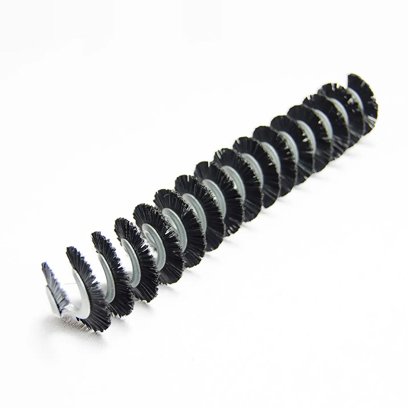
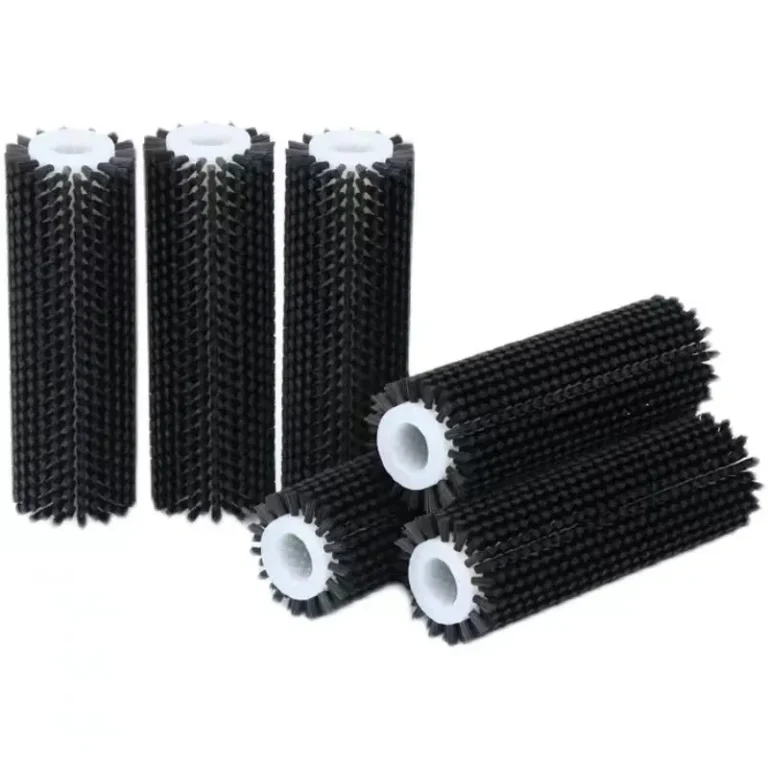
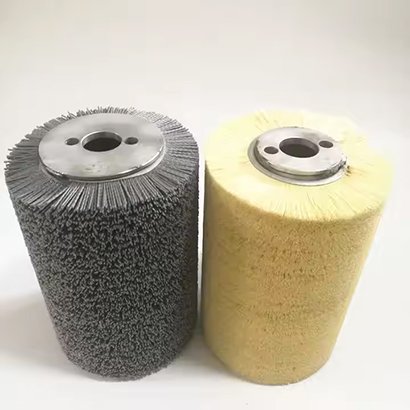
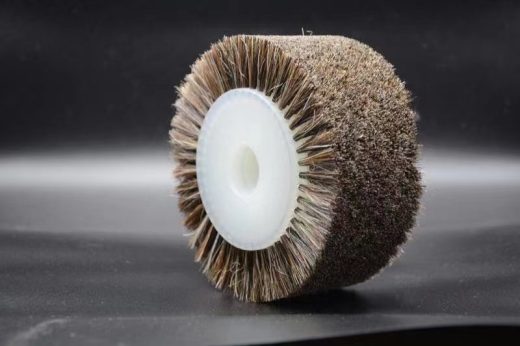
The design of an abrasive roller brush is smart and strong. It has a round core made from stainless steel or hard plastic. This core gives the brush strength and keeps it steady. Around the core, there are tough abrasive wires or filaments. These bristles can be in a spiral or cover the whole cylinder, depending on what is needed. The brush has a mounting rod in the middle. This rod connects to a motor, so the brush can spin fast and do hard work.
|
Component |
Description |
|---|---|
|
Core |
Round, made from stainless steel or hard plastic |
|
Bristles |
Tough abrasive wires or filaments in spiral or cylinder shape |
|
Abrasive Material |
Made for grit and to last a long time |
|
Mounting Rod |
Goes through the centre to hold it firmly |
How it works
The abrasive roller brush spins very fast. When it turns, the abrasive bristles rub against the material’s surface. This action takes off unwanted layers, smooths sharp edges, and gets surfaces ready for paint or glue. The brush can make sharp corners round without removing too much material. This helps protect the item and makes it last longer.
Tip: When the brush spins, it not only cleans but also makes the surface rougher. This helps paint or coatings stick better.
Types
There are different types of abrasive roller brushes for different jobs:
-
Abrasive filament brushes take off paint, rust, and smooth welded areas.
-
Wire-wrapped brushes are good for removing rough edges and making metals and plastics look better.
-
Spiral brushes get materials ready for more work and help make special finishes.
All these brushes are flexible and can keep working well even after being used for a long time.
Abrasive roller brush applications
Abrasive roller brushes are very important in many industries. They help workers make surfaces smooth and clean. These brushes can do many jobs. They remove sharp edges and clean conveyor belts. Let’s see how these brushes work in real life.
Deburring
Deburring is a common job for abrasive roller brushes. Factories use them to take off burrs and sharp edges from metal, plastic, and wood parts. This makes products safer to touch and look better. In car and plane factories, workers need to be exact. They use abrasive roller brushes to meet strict rules. These brushes help workers get smooth finishes fast. They do not need as much effort as doing it by hand.
Did you know? Car and plane factories need more precise deburring every year. Abrasive roller brushes help these places work faster and make better products.
Here is a quick look at how abrasive roller brushes compare to other ways:
|
Application |
Description |
Effectiveness Compared to Alternatives |
|---|---|---|
|
Deburring |
Removes burrs and sharp edges for smooth surfaces. |
More efficient than manual deburring methods. |
Spiral brushes are great for deburring. Their bristles reach into small spaces and corners. They make sure no burrs are left, even on tricky parts.
Surface finishing
Surface finishing gives products their final look and feel. Abrasive roller brushes can make a smooth finish on metal, plastic, and wood. They get surfaces ready for paint, coating, or glue. Many factories pick these brushes because they always give good results.
Workers see many benefits when they use abrasive roller brushes for finishing:
-
Faster work speeds
-
Results that stay the same each time
-
Good finishes with less hard work
-
Lower costs because of machines
Abrasive roller brushes also help with jobs like defuzzing wood and denibbing plastic. Furniture makers and electronics factories use these brushes too. The brushes can work on big batches and still keep quality high. This saves time and money.
Cleaning
Cleaning is another big job for abrasive roller brushes. Factories use them to take off rust, oxides, and dirt from surfaces. Conveyor belt cleaning is a good example. The brushes scrub away bits that other tools miss. This keeps belts working well and helps them last longer.
Here is what happens when workers use abrasive roller brushes for cleaning:
-
The brush scrubs the surface and removes tough dirt.
-
It helps machines last longer.
-
It keeps belts straight and safe.
-
It uses less energy by lowering friction.
-
It stops dirt from getting on products.
Spiral brushes are very good for cleaning. Their shape lets them reach into tight spots, like inside pipes or around rough surfaces. Workers in food factories, jewellery shops, and bottle washing all use these brushes for deep cleaning.
Tip: Abrasive roller brushes can clean places flat tools cannot reach. This makes them great for tricky parts and hard-to-clean areas.
Abrasive roller brushes are useful in many industries. They give a strong, quick, and flexible way to deburr, finish, and clean.
Advantages
Efficiency
Factories want to finish products fast. Workers see big changes with abrasive roller brushes. Machines with these brushes work quicker than hand tools. Production lines move smoothly. Operators spend less time on each part.
Abrasive roller brushes help keep machines clean too. Clean machines work faster and break less. Workers do not stop the line for cleaning as much.
Here are ways these brushes help make more products:
|
Benefit |
Explanation |
|
Fewer Fabric Problems |
Cleaning often removes lint, dust, and fibres, so there are fewer fabric mistakes. |
|
Less Stopping |
Cleaning all the time means workers do not stop the line for fixing. |
|
Better Machine Speed |
Clean machines do not jam, so they run fast and steady. |
Consistency
Factories want every product to look the same. Abrasive roller brushes help workers get even results. The bristles touch surfaces from many sides. This takes away burrs and smooths rough spots.
Soft sisal fibres can work on gentle materials without harm. Workers can change brush settings for different jobs.
Here is how these brushes keep things looking the same:
|
Feature |
Description |
|
Good grinding |
Thick sisal fibres fit the surface from many sides, taking away burrs and making it smooth. |
|
Gentle work |
Soft sisal fibres do not hurt surfaces, so they are good for gentle materials. |
|
Easy to use |
The brush fits many machines, so it works for big or small jobs. |
|
Custom settings |
Workers can change brush parts to match what each material needs. |
Automated finishing systems use abrasive roller brushes too. These systems finish thousands of parts every year. They keep results steady and make fewer mistakes. Even finishes mean safer products and better use.
Versatility
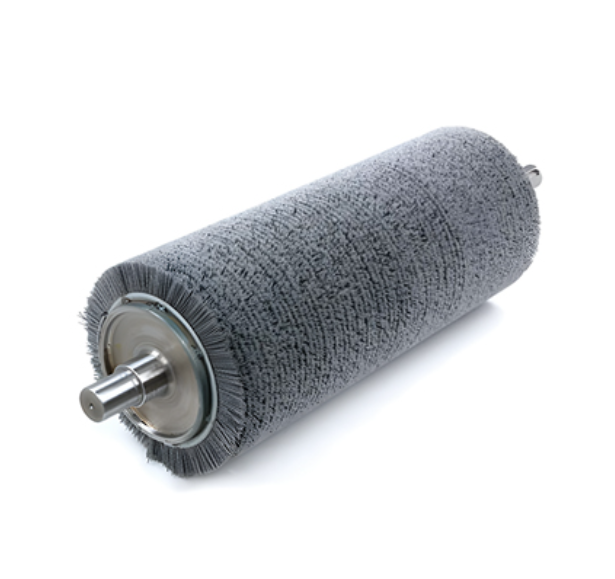
Abrasive roller brushes work on lots of materials. Workers use them for wood, metal, plastic, and food equipment.
Here are some common jobs:
-
Woodworking: Gets wood ready, finishes wood, and makes wood look old without wearing it out.
-
Aerospace: Cleans and deburrs soft metal parts and mixed materials.
-
Electronics: Cleans gentle electronic parts and takes off oxidation from PCBs.
-
Food business: Keeps things clean by scrubbing conveyor belts and other machines.
Brushes come in many types and grit sizes. Workers pick the best brush for each job.
Some examples are:
-
Abrasive brush: Used for small deburring and finishing metal.
-
Sanding brush: Makes wood smooth.
-
Metal wire brush: Shines and adds fine details.
-
Organic fibre brush: Works on gentle spots without hurting them.
-
Synthetic bristle brush: Cleans rough places and stands up to chemicals.
Abrasive roller brushes fit many jobs. Workers use them for small deburring, finishing metal, cleaning rust and oxides, defuzzing wood, and denibbing plastic. Factories pick the right grit size for each finish.
Cost-effectiveness
Factories save money with abrasive roller brushes. These brushes last longer than many old tools. Workers do not need to replace them as often.
Here is how long brushes last for different jobs:
|
Application Type |
Lifespan (Months) |
|
Light-duty (soft materials) |
6-12 |
|
Medium-duty (cleaning/finishing) |
3-6 |
|
Heavy-duty (deburring/surface prep) |
1-3 |
|
Extreme applications (high temp/caustic) |
0.5-1.5 |
Using these brushes helps stop broken parts and machine problems. Factories do not pay for repairs or returns as much. Productivity goes up. Costs go down.
Automated systems with abrasive roller brushes also lower labour costs. Hand deburring can take up to ten minutes for each part. Machines finish the same job in less than a minute.
Over time, factories have fewer breakdowns and less waiting. Workers spend less time fixing things. Customers get better products.
Abrasive roller brushes have made a big difference in factories. They help workers finish products faster. The quality of finished items is better. Factories can also save more money. New materials and special designs fit many different jobs. Experts say using machines and smart tools gives even better results. Many companies now pick eco-friendly brushes. This helps make the world cleaner and safer.
FAQ
Q1: Why choose abrasive roller brushes instead of traditional manual grinding?
They automate the entire deburring and surface treatment process with the help of high-speed rotation. Efficiency achieved is much higher compared to manual operation. It provides consistent results when there is a large volume of product processing, thus reducing labor costs.
Q2:What materials can abrasive roller brushes process?
They find wide application appropriate for cleaning, deburring, and surface finishing of any material such as metal, plastic, wood, or glass. They are also used in the cleaning process of food processing equipment.
Q3: How to determine the replacement cycle of abrasive roller brushes?
The cycle of replacement mostly depends on the work they are subjected to. For instance, brushes used in light cleaning soft material may take up to 6-12 months before they wear out, while those used in high-intensity deburring may require a change within a period of 1-3 months.