An industrial roller brush is an important tool in many factories. These brushes clean engine parts. They get surfaces ready for painting. They smooth sharp metal edges. They take away static electricity from assembly lines. Workers use them to keep conveyor belts clean. This helps the belts work well. Picking the right brush makes every job quick and easy.
Key Takeaways
- Picking the right industrial roller brush makes jobs faster and helps machines work well. Cleaning and looking after brushes often helps them last longer and saves money on repairs. Using the right brush for each job gives better results and keeps the workplace safer.
Industrial Roller Brush Basics
What Is an Industrial Roller Brush
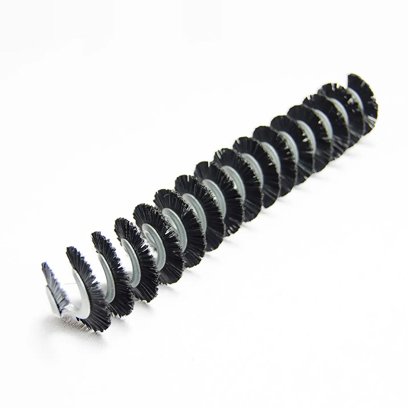
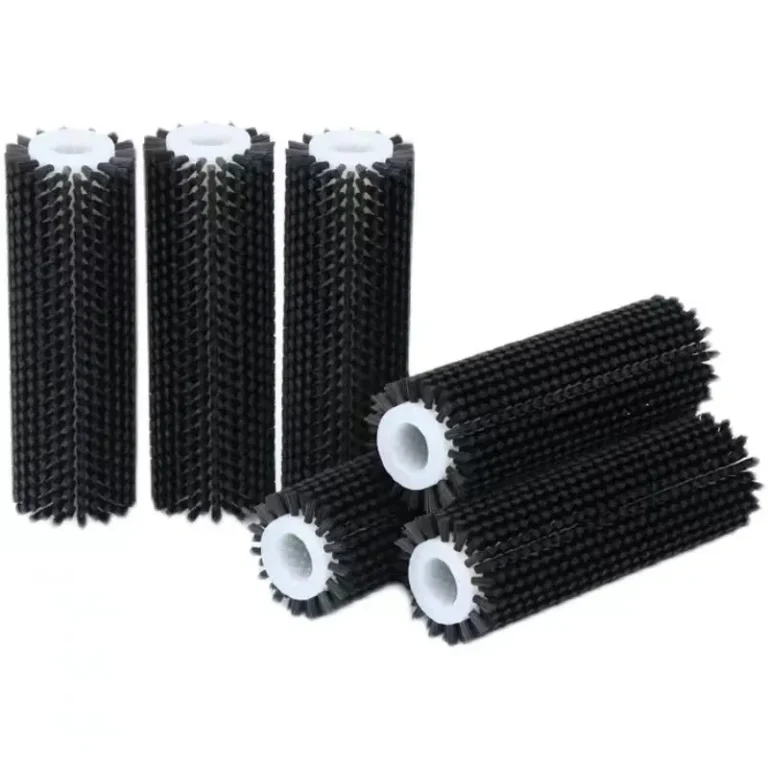
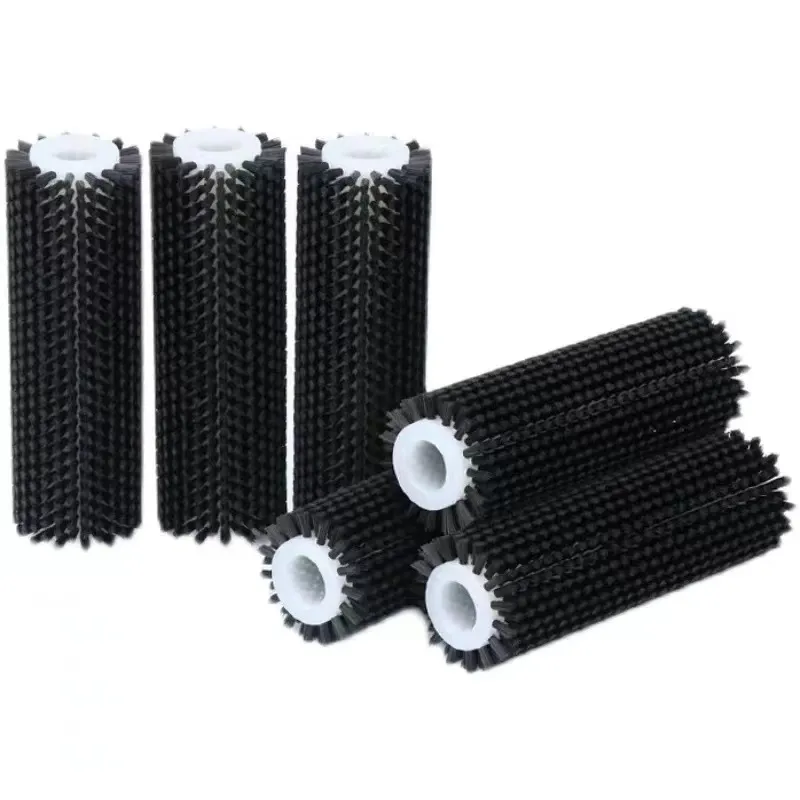
An industrial roller brush has bristles around a strong centre. Factories use these brushes for lots of tasks. Workers use them to clean, polish, and get surfaces ready. The centre part can be metal or tough plastic. Bristles go around the centre in a spiral or straight line. This shape helps the brush cover big spaces fast. Many places, like food factories and metal shops, use these brushes all the time.
Types of Industrial Brushes
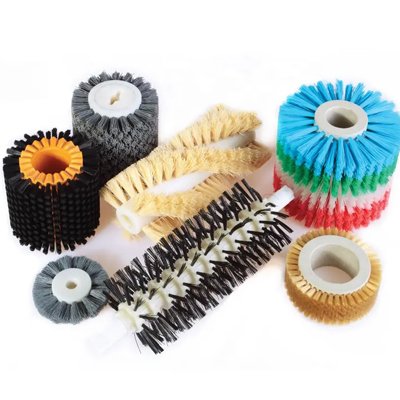
There are different kinds of industrial brushes. Each kind does a special job. Some common types are:
- Cylinder brushes, also called roller brushes, clean conveyor belts and move things.
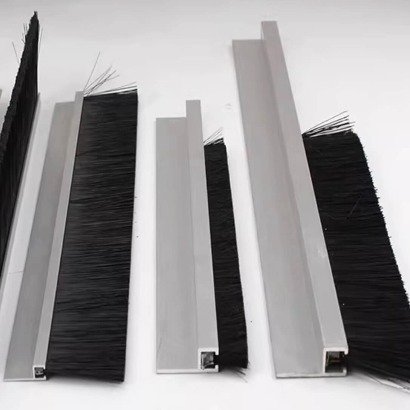
- Strip brushes sweep away dust or dirt.
- Disc brushes polish or finish surfaces.
- Cup brushes take off rust or paint.
- Spiral brushes do gentle cleaning or polishing.
Factories choose the right brush for each job. The choice depends on the shape, size, and what the bristles are made of.
Tip: Picking the best brush helps workers finish jobs faster and keeps machines working well.
| Characteristic | Description |
| Construction | Strong centre with bristles all around it. |
| Size and Configuration | Many sizes and shapes, from small to big, for different jobs. |
| Applications | Used for cleaning, getting surfaces ready, and moving things in many places. |
| Customisation | Bristle material, length, and how close they are can be changed for each job. |
| Durability | Made to last in hard factory work. |
Materials and Features
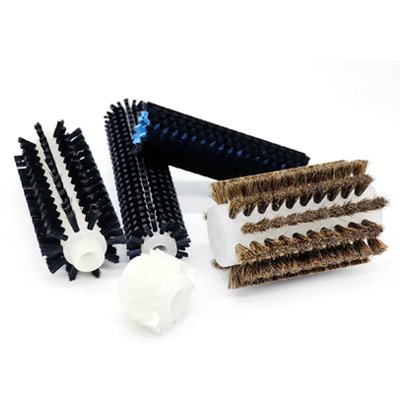
Industrial brushes use many kinds of bristles. Nylon bristles are strong and bend easily. Metal wire bristles, like steel or stainless steel, are tough and good for hard jobs. Animal hair bristles are soft and gentle, good for careful cleaning. PP (polypropylene) bristles do not get damaged by chemicals. Abrasive wire bristles help take off rust or paint. Sisal bristles come from plants and are good for scrubbing.
The centre can be steel, aluminium, or plastic. Steel is very strong. Aluminium is light and easy to use. Plastic is good for light jobs. Some brushes have rubber or polyurethane covers for better grip.
Note: The material you pick changes how long the brush lasts and how well it works. Nylon and stainless steel last longer in wet or rough places.
Industrial Brush Applications
Cleaning and Surface Prep
Industrial brushes are very important for cleaning jobs. Workers use them to take off dust, dirt, and grease before painting. Cylinder roller brushes clean conveyor belts and help lines work well. Spiral roller brushes reach small spaces and clean gentle parts without harm. Nylon Cylinder Brushes are good in food factories because they do not soak up water and clean fast. Metal bristles clean hard dirt in car and factory work.
People use industrial brushes in many places. Some main areas are:
- Automotive
- Food Processing
- Manufacturing
- Medical
These jobs need brushes to keep machines clean and ready. Getting surfaces ready helps paint stick and makes products better.
Tip: Cleaning often with the right brush stops dirt build-up and means less fixing is needed.
Deburring and Finishing
Deburring and finishing are key steps in making things. Industrial roller brush tools take off sharp edges and small bits after cutting. This makes parts safer and look nicer. Workers use brushes with metal or wire on spinning discs to scrape off burrs. They pick brushes by texture, what they are made of, and how thick the wires are.
Common jobs for brushes here are:
- Cleaning
- Finishing
- Deburring
- Moving materials
Deburring works on many things like alloys, plastics, ceramics, wood, and leather. Special brushes help clean both outside and inside parts. Deburring is needed because it takes away sharp bits that can hurt how parts work or look.
Note: Picking the right brush for finishing makes work safer and helps things last longer.
Industry Examples
Industrial brushes are used in many jobs. Here are some ways different fields use these tools:
| Industry | Application Description | Benefits |
| Electronics Manufacturing | Putting thin, even coatings on circuit boards and parts. | Better coating and less waste in high-tech jobs. |
| Manufacturing | Adding protective coatings on machines, tools, and parts. | Longer life for products and less fixing needed. |
Other jobs using industrial brushes are:
- Automotive
- Aerospace
- Woodworking
- Primary Metal
- Steel Mills
- Agriculture
- Food Processing
- Precision Machining
Cylinder and spiral roller brushes are helpful in food, metal, textile, and printing work. They are useful, quick, strong, can be changed, and save money.
| Benefit | Description |
| Versatility | Used on many surfaces and for different jobs |
| Efficiency | Clean and treat surfaces quickly and well |
| Durability | Made with strong materials to last a long time |
| Customisation | Come in many sizes, bristle types, and shapes |
| Cost-effective | Lower work costs and help workers do more |
Industrial roller brush tools help stop dirt build-up and product loss on belts. Special brushes keep machines working well and stop delays.
Tip: Using the best brush for each job helps workers do more and spend less.
Selection and Maintenance
Brush Selection Tips
Picking the right industrial roller brush is very important. It helps the job get done well. Workers think about what the brush will do. Some brushes are for cleaning. Others are for finishing or moving things. The surface matters too. Metal, wood, and plastic each need a different brush. The size and power of the machine also matter. Big machines need big brushes. Small jobs need smaller brushes.
Here are some steps to help choose the best brush:
- Decide what the brush will do. Cleaning, polishing, or deburring need special brushes.
- Check what the surface is made of. Metal, wood, and concrete need different bristles.
- Look at the size and power of the machine. Big machines need strong brushes.
- See if the brush can be changed or used for more than one job.
- Think about how much it costs and how long it will last.
The place where the brush is used is important too. Workers pick brushes for hot, wet, or chemical places. Nylon bristles are good in wet places. Stainless steel does not rust. Some jobs need brushes that follow safety rules.
- Substrate material, like metal or plastic
- Environmental conditions, such as heat or moisture
- Performance needs, like abrasion resistance
- Application method, whether using a brush or roller
- Safety and regulatory standards
Tip: The right brush for the job and place helps workers finish faster and keeps machines working well.
Usage Best Practices
Using brushes the right way keeps everyone safe. It also helps machines work better. Workers match the brush to the job. They make sure it fits the surface and task. Before using, they check for damage or wear. Safety gear like gloves, masks, and glasses keeps them safe from dust and sharp bristles.
Here are some best ways to use industrial brushes:
- Pick the right brush for each job to get good results.
- Check brushes before using to find problems early.
- Wear safety gear to stay safe from flying bits and chemicals.
- Use handles that fit the brush for better control.
- Do not push too hard. Gentle pressure keeps bristles from breaking.
- Be careful with chemicals. Use brushes made for chemical jobs.
- Keep brushes in a clean, dry place to stop damage.
- Teach workers how to use brushes safely and properly.
Workers use colour-coded brushes to stop mixing up jobs. They store brushes the right way to keep their shape. Training helps everyone use brushes safely and keeps the workplace safe.
Note: Using the right way and letting things dry stops mistakes like bad paint or uneven cleaning.
Maintenance for Longevity
Looking after industrial brushes helps them last longer. It also saves money. Workers clean brushes often to get rid of dust, oil, and dirt. They use the right pressure so bristles do not wear out fast. Brushes should be kept dry and away from heavy things.
Regular care includes:
- Cleaning brushes after each use
- Checking for wear or damage
- Lubricating moving parts if needed
- Replacing worn-out parts
If you do not look after brushes, repairs cost more and take longer. When brushes break, machines stop. Workers need help to fix them. Good care means less time wasted and lower costs.
Here are some signs a brush needs care:
| Signs of Wear/Failure | Description |
| Operational Wear Patterns | Bristles wear down unevenly and make the brush wobble. Regular checks help spot this early. |
| Material Buildup and Contamination Issues | Dirt and bits build up and make the brush heavy. Cleaning fixes this problem. |
| Bearing and Mounting Problems | Worn bearings or bad mounting cause shaking. Workers should check and fix these problems. |
Tip: Cleaning and checking brushes often keeps them working well and stops expensive repairs.
Cleaning, oiling, and changing old parts keeps brushes working their best. Workers who care for their brushes spend less and have fewer problems with machines stopping.
Choosing the right industrial roller brush is important for good results. Workers need to use the brush the right way. They should clean the brush often and look for any damage. Taking care of brushes helps machines work well. Training and expert help can teach workers even more.