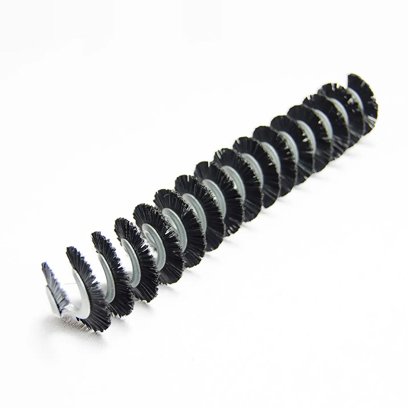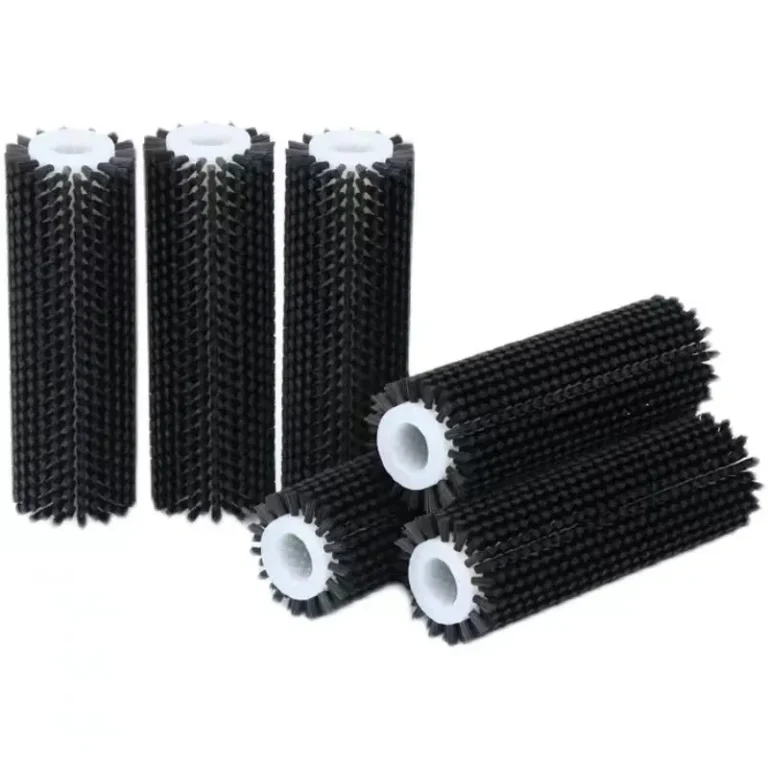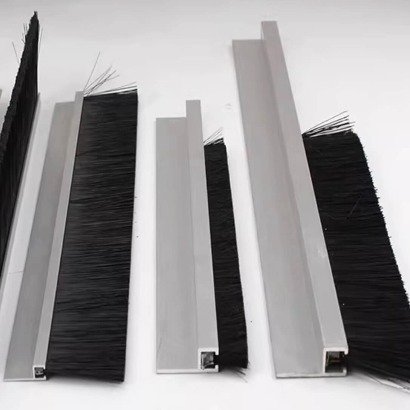
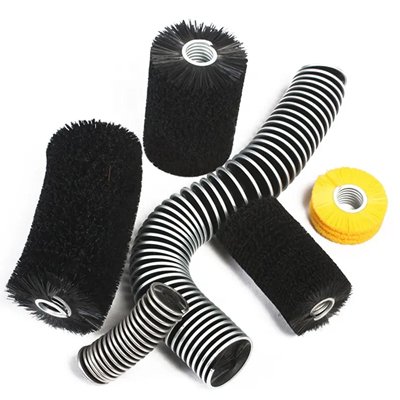
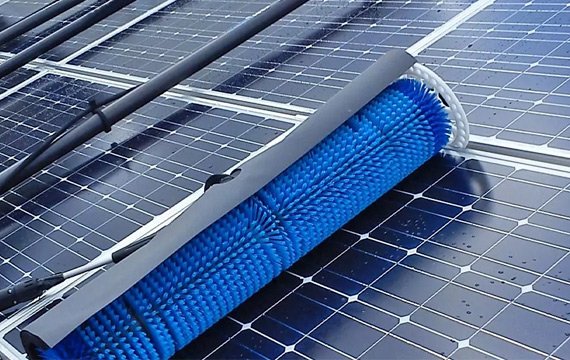
Selecting the right cylinder cleaning brush means you must match the brush material, size, bristle type, and mounting to the cleaning job. A cylinder brush has a round shape with bristles around a centre core. Many industries use these brushes for jobs like glass cleaning, conveyor care, road sweeping, and even in food-standard places. Compatibility is important because different surfaces, like plastics or metal, need the right bristle type. This stops damage and makes cleaning work well. You often see these brushes in waste management, aquaculture, and wet or corrosive places. Picking the right one helps keep equipment working and makes cleaning easy.
Key Takeaways
-
Pick the right bristle material for your cleaning job. Nylon works well for most jobs. Metal wire is best for tough cleaning tasks.
-
Make sure the brush size and shape match the area you clean. A brush that fits well helps you clean faster. It also makes cleaning better.
-
Choose the correct bristle stiffness. Hard bristles clean tough dirt. Soft bristles keep delicate surfaces safe from scratches.
-
Look at the brush quality before you use it. Make sure the bristles stay in place. Check that the core is strong for good cleaning.
-
Buy from a trusted supplier. A good supplier gives helpful advice. They help you get the right brush for your needs.
Cylinder cleaning brush basics
Typical uses
A cylindrical brush is used in many cleaning jobs. Factories use these brushes to clean conveyor belts. They also remove dust from moving machine parts. These brushes help keep production lines neat. In food processing, they wash and polish fruit or vegetables. The brush does not harm the food. Road sweepers use these brushes to clear rubbish from streets. Some industries use them to make surfaces smoother. This is called surface finishing. Others use them to take off sharp edges from metal or plastic. This is called deburring. These brushes can also move items gently along a line. They do not scratch or mark the items.
These include cleaning, surface finishing, deburring, gentle conveying, and liquid management. Each use helps machines work well and stops breakdowns.
Key features
A cylindrical brush is round and has bristles all around the core. This shape gives steady pressure and even contact with surfaces. The bristles can be soft or hard, depending on the job. Some brushes have synthetic fibres. Others have metal wires for harder tasks. The core can be plastic or metal. This changes how the brush fits onto machines.
Industrial brushes have many good points. They clean surfaces and remove rubbish. They help apply coatings or adhesives. They also polish, deburr, and add texture to materials. These brushes help keep machines free from dust and dirt. This stops problems and makes machines last longer. When picking a cylindrical brush, people should choose features that fit their cleaning needs. This helps the brush work better in their workplace.
Choosing brush material
Picking the right material for a cylindrical brush is very important. The bristle material changes how well the brush cleans. It also keeps equipment safe and helps the brush last longer. Many people do not know which filament to choose. Learning the basics makes it much easier.
Filament types
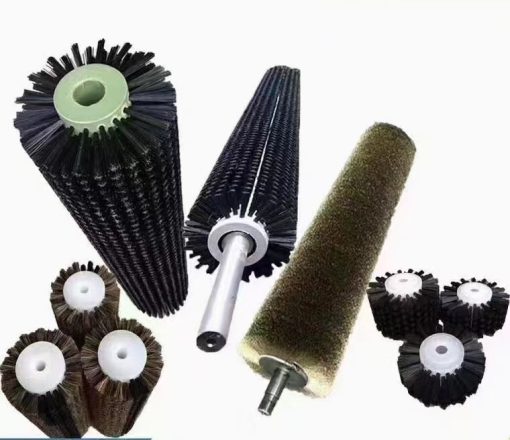
Cylindrical brushes have many filament types. Each type has its own good points. The most common are nylon wire, metal wire, PP wire, sisal, animal hair, and abrasive wire. Each one works best for different cleaning jobs and surfaces.
Filament types |
Characteristics and Uses |
|
Nylon Wire |
Good for general cleaning, durable in wet and dry places. |
|
Metal Wire |
Strong cleaning; options include brass, phosphorus bronze, high-carbon steel, stainless steel. |
|
Phosphorous Bronze |
Strong, rust-resistant, and lasts longer in tough conditions. |
|
High-Carbon Steel |
Very strong, used for heavy cleaning with lots of dirt. |
|
PP Wire |
Lightweight, resistant to chemicals, suitable for areas with strong cleaners. |
|
Sisal |
Natural fibers, rough texture, good for polishing or cleaning gentle surfaces. |
|
Animal Hair |
Soft, best for fine dust or gentle polishing. |
|
Abrasive Wire |
Mixed wires for special cleaning needs. |
When picking a brush bristle material, think about what it will clean. For example, a soft brass brush cleans gentle surfaces without scratching. A stainless steel brush cleans hard metals with tough dirt. Some brushes use abrasive filaments like silicon carbide or aluminium oxide. These are good for grinding and polishing. Abrasive brushes fit the surface and help finish jobs.
How long each filament lasts is important too. Laminated wire brushes last longer. A strong plastic coating stops wires from breaking. Stainless steel wire brushes do not get damaged by acids or bleach. They work well in harsh places. Natural fibre brushes do not last as long. But they are great for fine polishing. Synthetic filaments like nylon or PP bend easily and do not wear out fast. They are good for many cleaning jobs.
Tip: Always pick the brush filament that matches the cleaning job and surface. This helps the brush work well and keeps equipment safe.
Core and mounting
The core and mounting of a cylinder cleaning brush are important. The core holds the bristles and connects the brush to the machine. Common core materials are nylon, natural fibres, and metal wire. Each one changes how strong the brush is and how long it lasts.
Nylon cores are light and do not get damaged by chemicals. They are good for wet or corrosive places. Metal wire cores are strong and last longer in tough jobs. Natural fibre cores are used for lighter cleaning and softer bristles.
Mounting choices change how the brush fits machines. Cylinder brushes can have shafts, handles, or special attachments. These help the brush stay on different machines. For example, a shaft fits onto a conveyor.
Always check that the core and mounting match your equipment. This keeps the brush in place and helps it clean well. The right core and mounting make cleaning better and safer.
Note: Picking the right core and mounting helps cleaning and makes the brush and machine last longer.
Bristle and size selection
Bristle stiffness
Picking the right bristle stiffness is very important. Hard bristles are good for tough dirt. They scrape off stuck-on grime. But they might scratch soft surfaces. Soft bristles are gentle. They clean without scratching things. But they may not clean heavy dirt well.
Think about what you need to clean. Hard jobs, like cleaning metal or burnt bits, need hard bristles. These break up and lift tough dirt. For shiny metals or plastics, soft bristles stop scratches. Some brushes mix hard and soft bristles. This helps clean well and keeps things safe.
-
Hard bristles: Good for tough dirt, but can scratch soft things.
-
Soft bristles: Keep things safe, but may not clean heavy dirt.
Always match bristle stiffness to how hard the job is. This keeps machines safe and helps them work well. Hard brushes with rough bristles are good for grinding and polishing. Soft brushes are best for dust and light cleaning.
Tip: If you are not sure, test a small spot first. This helps stop damage.
Brush size and shape
The brush size and shape matter for cleaning. The brush must fit the machine and the area to clean. If it is too big, it cannot reach small spaces. If it is too small, cleaning takes longer and misses spots.
Think about these things when picking a brush:
-
Material compatibility: The brush must match the surface. The wrong one can wear out or not clean well.
-
Bristle stiffness: The right stiffness matches the job.
-
Brush size and shape: The brush must fit the area and machine.
-
Operating conditions: Heat and chemicals can change what brush you need.
Big brushes clean wide belts or large areas fast. Small brushes are good for tight or tricky spots. The shape is important too. Straight brushes clean flat places. Spiral brushes move dirt away. Some brushes have special shapes for certain machines.
A chart would show how brush size, length, and bristle amount affect cleaning. A bigger brush touches more area. More bristles pick up more dirt. Always check your machine’s guide before picking a brush. This makes sure it fits and works safely.
Note: Always think about where you will clean. Hot places or strong chemicals may need special brush parts.
Picking the right brush size and shape helps cleaning work best. It saves time, stops machine damage, and cleans better. If you are not sure, ask a brush expert for help.
Cylindrical brush for specific applications
Industrial cleaning scenarios
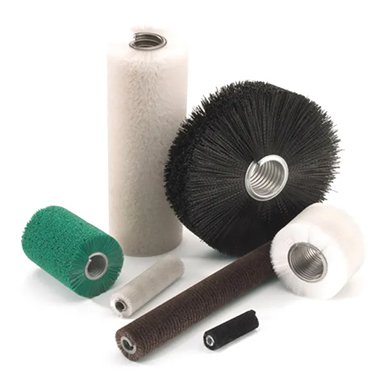
A cylindrical brush is used for many cleaning jobs. Workers use these brushes in factories and workshops. They clean metal surfaces with strong steel bristles. These bristles remove dirt but do not harm the metal. For plastic parts, workers pick softer bristles. Soft bristles stop scratches and keep plastic smooth. Gentle surfaces like glass need very soft bristles. Nylon or animal hair bristles work well for these jobs.
Industrial brushes come in different shapes and sizes. Some are long and thin to clean inside pipes. Others are wide and thick for conveyor belts. A chart can show which bristle type fits each surface. Steel bristles are best for metal. Nylon bristles are good for plastic. Natural fibres are used for delicate items. Special brushes help workers clean fast and safely. Picking the right brush keeps equipment safe and helps cleaning work better.
Custom solutions
Sometimes, a normal cylindrical brush does not work. Factories may have special cleaning problems. In these cases, they use custom brushes. These brushes are made for the exact job. Engineers change the size, bristle type, or core material. This makes the brush fit special machines or tough places.
Customisation and specialisation are very important for industry needs. Custom brushes can handle tough jobs and work well every time. This is needed for hard cleaning tasks.
Custom brushes have many good points:
-
Made for special industry jobs
-
Last longer in tough places
-
Work well in many different jobs
Special brushes help companies fix hard cleaning problems. They keep machines working and stop breakdowns. A cylinder cleaning brush made for one job can last longer and clean better. Many industries now use custom brushes to make cleaning easier and improve results.
Quality and supplier check
Brush quality
A good cylindrical brush has some clear signs. The bristles stay stuck to the core, even after lots of use. The brush should not lose bristles or change shape quickly. People check if the bristles are neat and evenly spaced the same. Neat bristles help the brush clean better. The core should feel strong and not bend or break. Some brushes follow strict rules like ISO 9001:2015. This means the maker uses good quality checks. These rules help make sure the brush works well every time.
People also look at the finish of the core and how smooth the bristle tips are. Smooth tips stop scratches on soft surfaces. For wire brushes, the wires should not be sharp or rough. The brush size must fit the job, so always check the size before buying. A good brush lasts longer and does a better job. This saves time and effort.
Tip: Always check the brush for loose bristles, rough edges, or bristles that are not the same height before you use it.
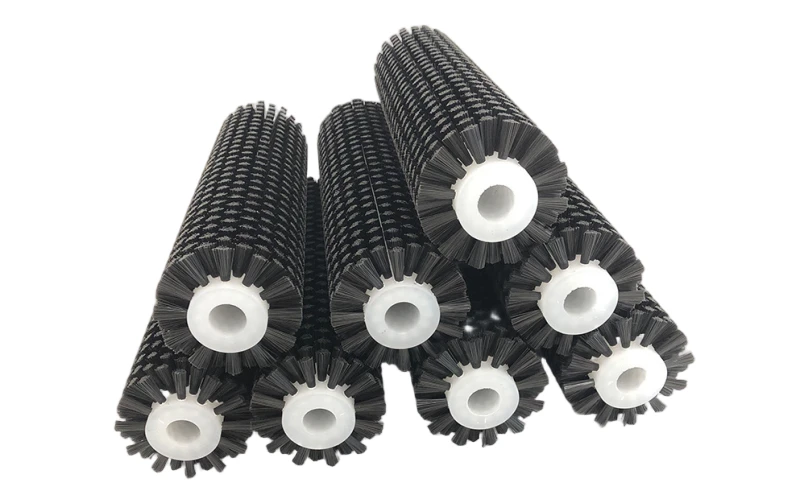
Picking a good supplier is just as important as picking the right brush. A good supplier knows what different jobs need and gives advice on the best cylindrical brush. They help people choose the right materials, like nylon for most jobs or stainless steel for hard work. Good suppliers also make sure the brush fits the machine, so you do not need to change anything.
People often look at what other customers say and how long the supplier has been in business. Good suppliers give fair prices and sometimes give discounts for big orders. They answer questions quickly and give clear details about their brushes. When a supplier meets your needs, gives the right materials, and has a good name, you can trust their brushes will work well.
Note: A good supplier helps stop delays and keeps cleaning jobs going well.
Picking a cylinder cleaning brush means you need to match the bristle material, size, and shape to the job. People should use a checklist that looks at what the brush is made of, how the bristles are set, what it will clean, and where it will be used. Cleaning and checking the brush often helps keep it safe and working well. When workers choose the right brush for the job, they keep machines safe and get better cleaning. If you follow these steps, you can feel sure about choosing the best brush for industrial cleaning.
FAQ
What is the best way to clean a cylinder brush after use?
People should rinse the brush with water to remove dirt. They can use mild soap for stubborn grime. Let the brush dry completely before storing. This keeps the bristles in good shape.
How often should someone replace a cylinder cleaning brush?
They should check the brush regularly. If the bristles look worn or start falling out, it is time for a new one. Heavy use means more frequent replacement.
Can one brush work for all surfaces?
No, one brush does not suit every surface. Hard bristles may scratch soft materials. Soft bristles might not clean tough dirt. Always match the brush to the job.
Are cylinder brushes safe for food processing equipment?
Yes, many cylinder brushes use food-safe materials. People should check for certifications and choose brushes made for food contact. This helps keep food equipment safe and clean.
What should someone do if the brush does not fit their machine?
They can contact the supplier for advice. Some suppliers offer custom brushes. A custom fit ensures the brush works well and keeps equipment safe.