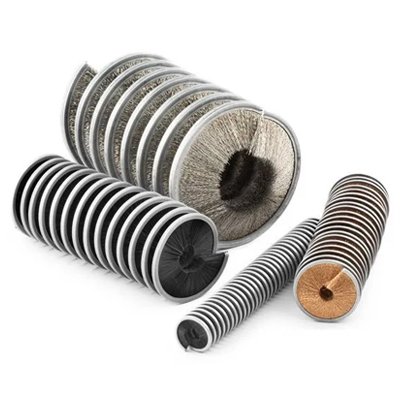
Coil brushes help machines work well. A coil brush takes away dust and dirt from surfaces in hvac systems. Cleaning often stops blockages and keeps energy use low, as experts say. Many people pick an outward Spring Brush for tough jobs or an inverted nylon coil brush for soft fins. The right tool keeps the coil safe and makes it last longer.
Key Takeaways
-
Coil brushes often helps machines work better and saves energy.
-
Pick a coil brush by looking at the coil’s size, what it is made of, and what kind of dirt is there.
-
Use the correct way and tools to clean so you do not harm the coils and so they get cleaned well.
-
Check and look after your brushes and cleaning tools to help them last longer and work better.
-
Ask experts or suppliers for help if you are not sure about the best way or tools to clean for your needs.
Coil brush basics
What is a coil brush?
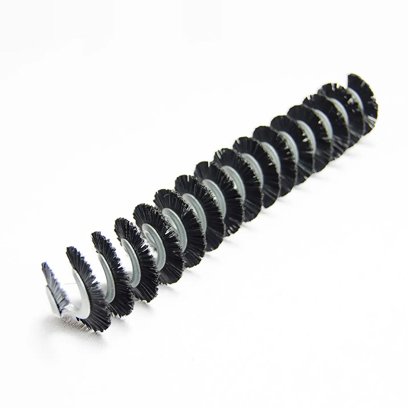
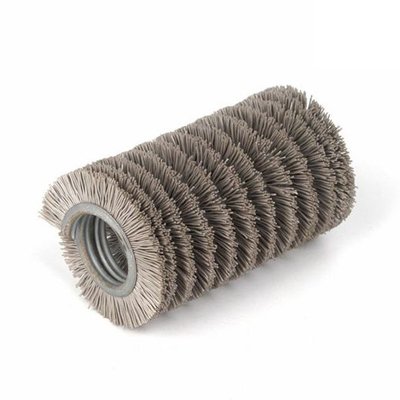
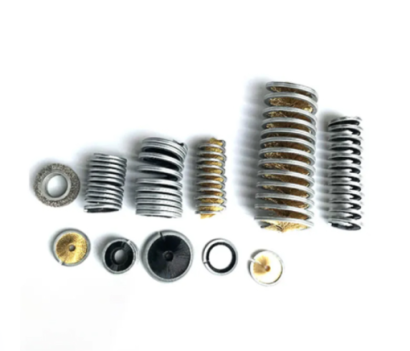
A coil brush is a special cleaning tool made for coils in machines. It has bristles wrapped around a wire core, often shaped like a spiral or spring. People use it to reach tight spaces between coil fins. The brush comes in different sizes and materials to match many types of coils. Some brushes have soft bristles, while others use stronger wires for tougher jobs.
Main uses
People use a coil brush in many places. It works well in HVAC systems, refrigeration units, and industrial machines. The main jobs include:
-
Removing dust and dirt from coil surfaces
-
Cleaning between narrow coil fins without causing damage
-
Keeping air conditioners and fridges running smoothly
Tip: Use a soft hand brush or a purpose-made narrow coil brush for cleaning coils. This helps avoid scratching or damaging the coil coating.
Benefits
Cleaning coils with the right brush brings many advantages. Here are some key benefits:
-
Better heat exchange, which helps machines cool or heat more efficiently
-
Lower energy bills because clean coils use less power
-
Less downtime, as clean coils prevent blockages and breakdowns
-
Longer life for equipment, since regular cleaning stops dirt from building up
A clean coil means the machine does not have to work as hard. This saves money and keeps everything running safely.
Assessing your coil cleaning needs
Choosing the right coil brush starts with understanding what you need to clean. Every coil is different, and so is the dirt that builds up. Let’s break down the key points to consider.
Application type
First, think about where the coil sits. Is it in an air conditioner, a fridge, or a big industrial machine? Each setting brings its own challenges. For example, coils in a kitchen fridge might collect grease, while those in an office air conditioner gather dust and pollen.
-
Grease, rust, and organic debris all need different cleaning methods.
-
Some contaminants, like salt or scale, can damage coils if not removed properly.
-
Data centres and food factories often need more frequent cleaning because of their strict standards.
-
Neglecting coil cleaning can push up energy bills and make machines work harder.
Tip: Regular cleaning keeps systems running smoothly and saves money on energy. Most places do well with a yearly clean, but busy sites may need it twice a year or more.
Coil size and material
Next, measure the coil before picking a brush. A brush that is too big can bend the fins, while one that is too small will miss spots. Use a tape measure to check the length, width, and depth of the coil. Write these numbers down before you shop.
The coil’s material matters too. Many coils use aluminium, copper, or steel. Some are soft and need gentle nylon bristles. Others can handle tougher wire brushes. Always match the brush to the coil’s strength.
|
Coil Material |
Common Brush Type |
Notes |
|---|---|---|
|
Aluminium |
Nylon or soft bristle |
Avoid scratching the surface |
|
Copper |
Nylon or soft wire |
Gentle cleaning preferred |
|
Steel |
Wire or nylon |
Can handle tougher brushes |
Note: If unsure, check the coil’s manual or ask a supplier for advice. Using the wrong brush can shorten the coil’s life.
Choosing the right coil brush type
Picking the best coil brush makes cleaning simple and safe. Many people ask which spiral brush or tube cleaning brush is best. Let’s see what types there are and what they do.
Coil Brush types
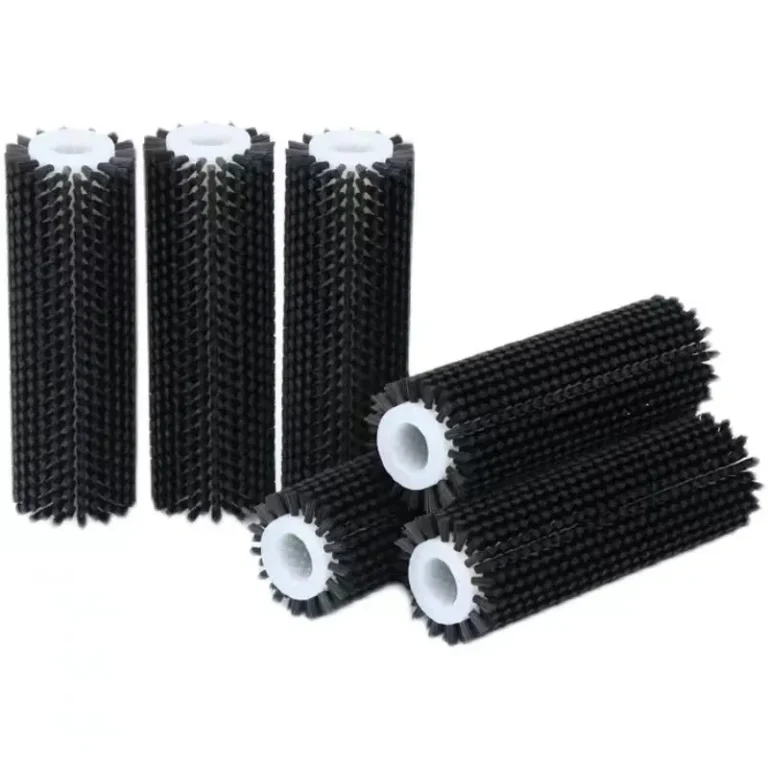
Coil brushes, also known as spring brushes, are versatile tools designed for cleaning, deburring, and surface preparation in a variety of industrial and maintenance applications. Based on their winding method, spring brushes can be categorized into three main types: inverted winding spring brushes, outward spring brushes, and shaft spring brushes.
Here is a table that shows how they are different:
|
Feature |
Inverted Winding Spring Brushes |
Outward Spring Brushes |
Shaft Spring Brushes |
|---|---|---|---|
|
Construction |
Spiral construction with bristles wound inside the coil |
Spiral construction with bristles wound outside the coil |
Spiral brush mounted on a central shaft or rod |
|
Material |
Typically nylon or soft wire fill |
Hardened steel or abrasive wire fill |
Steel or brass bristles with sturdy core |
|
Cleaning Effectiveness |
Gentle cleaning for delicate surfaces |
Aggressive cleaning and deburring |
Effective cleaning in deep, elongated passages |
|
Application |
Ideal for soft materials and sensitive components |
Suitable for removing heavy deposits and rust |
Designed for hard-to-reach areas in HVAC and machinery |
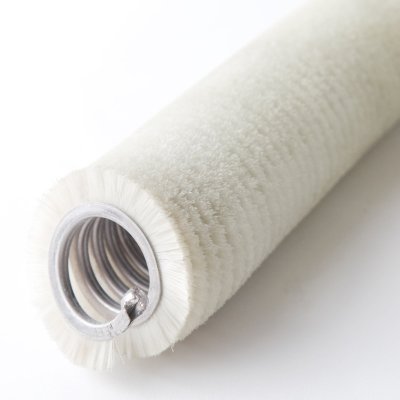
Inverted Winding Spring Brushes feature bristles wound inside the coil spring, making them ideal for delicate surfaces and soft materials. This design ensures gentle yet effective cleaning, preventing damage to sensitive components such as heat exchanger fins or polished tubing interiors.
Outward Spring Brushes are constructed with bristles wound on the outside of the coil. This configuration provides robust cleaning power, making them suitable for more demanding tasks like removing stubborn deposits, rust, or heavy debris from pipes, cylinders, and other confined spaces.
Shaft Spring Brushes consist of a spring brush mounted onto a central rod or shaft. This design allows them to reach deep into elongated passages, tubes, or complex assemblies, offering effective cleaning and finishing in hard-to-access areas such as HVAC ducts, machinery tubing, and hydraulic systems.
Understanding the distinct features and optimal applications of each coil brush type ensures efficient and appropriate selection for specific industrial needs, enhancing both performance and operational longevity.
Filament materials
The bristle material changes how long the coil brush lasts. Strong bristles mean the brush can be used more times.
Here is a table with some common bristle materials:
|
Filament Type |
Key Features |
Impact on Longevity |
|---|---|---|
|
Nylon |
Durable, good elasticity |
Ideal for applications requiring resilience and flexibility |
|
PP (Polypropylene) |
Lightweight, resistant to chemicals |
Suitable for various industrial and household applications |
|
Horsehair |
Soft, fine surface cleaning |
Perfect for delicate surfaces |
|
Carbon Steel Wire |
Cost-effective, general industrial cleaning |
Suitable for non-corrosive environments |
|
Brass Wire |
Soft, good for fine polishing |
Ideal for furniture and floor cleaning |
|
Copper Wire |
Soft, suitable for polishing and fine cleaning |
Well-suited for delicate surfaces |
|
Stainless Steel Wire |
Corrosion resistance, suitable for sanitary environments |
Long-lasting in food processing and high sanitary standards |
Coil cleaning system and maintenance
Maintenance tips
Looking after coil cleaner systems and brushes keeps them working longer. People follow these steps to help their tools last:
-
Use the right pressure. Too much wears out bristles fast. Too little leaves dirt.
-
Hold the brush at the correct angle. Move in circles to scrub. Use straight strokes to finish.
-
Clean the right way. Use proper coil cleaning solutions. Dry brushes well after washing.
-
Pick the right brush for each job. The wrong brush can harm condenser coils and lower efficiency.
-
Store brushes in a dry, cool place. This stops damage from damp or sunlight.
-
Clean brushes often. This stops dirt building up and keeps coils in good shape.
-
Learn about your brush and how to use it. Knowing the type helps you look after it.
When to replace
People check coil cleaner systems and brushes for damage. If bristles are frayed or handles are bent, it is time to get a new one. Brushes that lose shape or shed bristles cannot clean coils well. After each use, inspect your tools. Replacing old brushes keeps coils clean and helps machines work better.
Tip: Check brushes and coil cleaner systems often. Replace them when needed to avoid expensive repairs and keep coils working smoothly.
Choosing the right coil brush makes a big difference. Here’s a quick checklist:
-
Check the coil type and size.
-
Identify the fouling on the coil.
-
Pick a brush with the right bristles and handle.
-
Clean and store the brush after each use.
Review your needs before buying. Unsure about coil care? Ask a supplier or expert for advice.