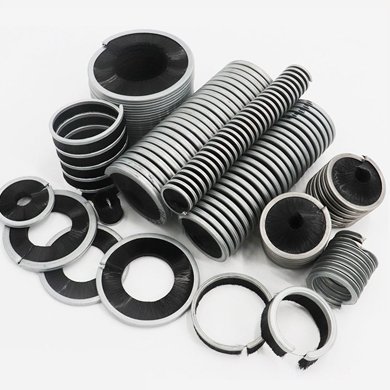
A spring brush is a tool that helps clean things. It can polish or keep surfaces and electrical contacts working well. People use it a lot in factories and workshops. It is also used in electrical systems. Wire spring brushes are good for steel jobs. They also help with painting work. Nylon spring brushes are best for cleaning tasks. They work well for furniture too. Carbon brush springs help motors and generators. A coil brush can pick up debris. It helps machines work smoothly.
Key Takeaways
-
Spring brushes are important tools for cleaning machines. They help keep surfaces and electrical contacts working well.
-
There are different types of spring brushes like wire, nylon, and carbon. Each type has its own job. Picking the right one helps clean better and makes machines work well.
-
Using spring brushes means less time is needed for cleaning and fixing. This helps production lines keep moving and saves workers time.
What is a spring brush?
Definition and main features
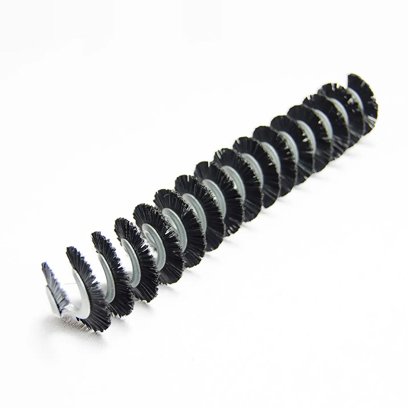
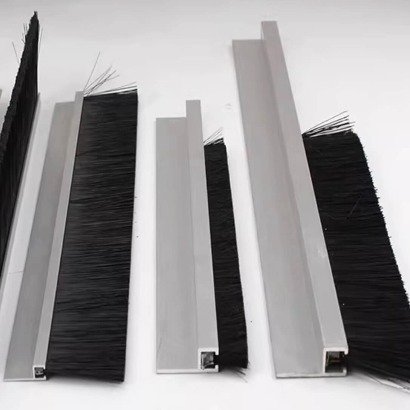
A spring brush is a special tool that helps keep machines and surfaces clean. People often see it in factories, workshops, and places where machines run all day. This tool has strong nylon bristles. These bristles sit tightly in a coiled steel or galvanised base. The design makes the brush tough and long-lasting. Workers use a spring brush to remove dust, dirt, and other debris from conveyor belts and chains. It also helps with surface treatment, making sure materials stay smooth and ready for the next step.
Tip: A spring brush works well in food processing, packaging, and manufacturing. It keeps equipment clean and helps products move smoothly.
Some main features of a spring brush include:
-
Durable nylon bristles that resist wear and tear
-
A sturdy coiled base made from steel or galvanised metal
-
Flexibility to fit different machines and conveyor systems
-
Easy installation and low maintenance
How spring brushes work in motors and machines
A spring brush does more than just clean. It plays a key role in keeping machines running well. When fitted to a conveyor system, the brush spins or moves along the belt. The bristles sweep away crumbs, dust, and other small bits. This action stops build-up and keeps the line moving.
In chain cleaning, the spring brush reaches into tight spaces. It removes grease and dirt that could slow down the machine. The brush also helps with surface treatment. It can smooth out rough spots on metal or wood, making the material ready for painting or further work.
Motors and machines rely on spring brushes to keep electrical contacts clean. The brush touches the moving parts and clears away any debris. This keeps the connection strong and helps the motor work without problems.
Note: Using a spring brush means less downtime for cleaning and repairs. Machines stay in good shape, and workers spend less time fixing problems.
A spring brush stands out as a simple but powerful tool. It supports many industries by making cleaning and maintenance easy.
Spring brush types
Wire spring brushes
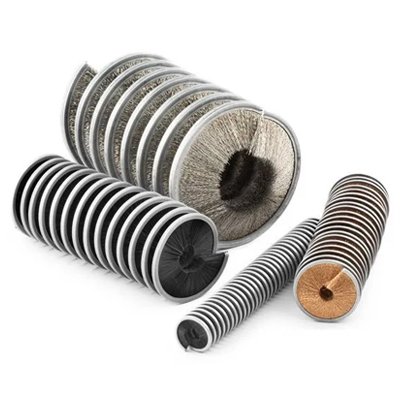
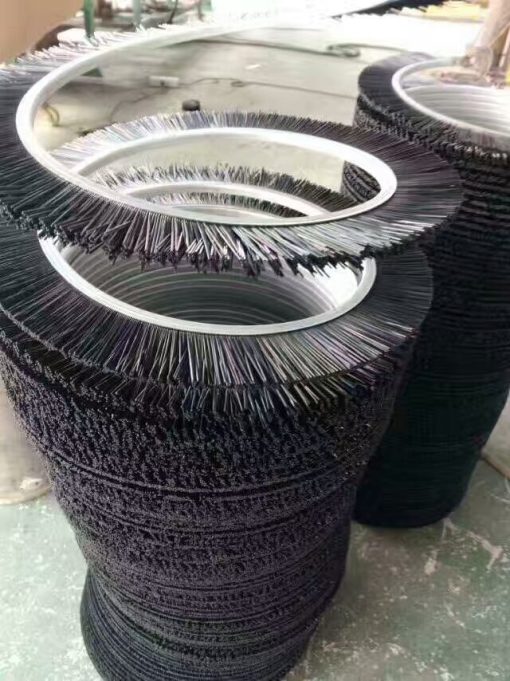
A wire spring brush uses strong metal wires twisted into a coil. The wires can be made from steel, brass, or other metals. This type of brush works well for tough jobs. People use it to remove rust, paint, or heavy dirt from metal surfaces. The wire spring brush can also help with surface finishing in factories. It is a good choice for cleaning steel parts or preparing surfaces before painting.
Nylon spring brushes
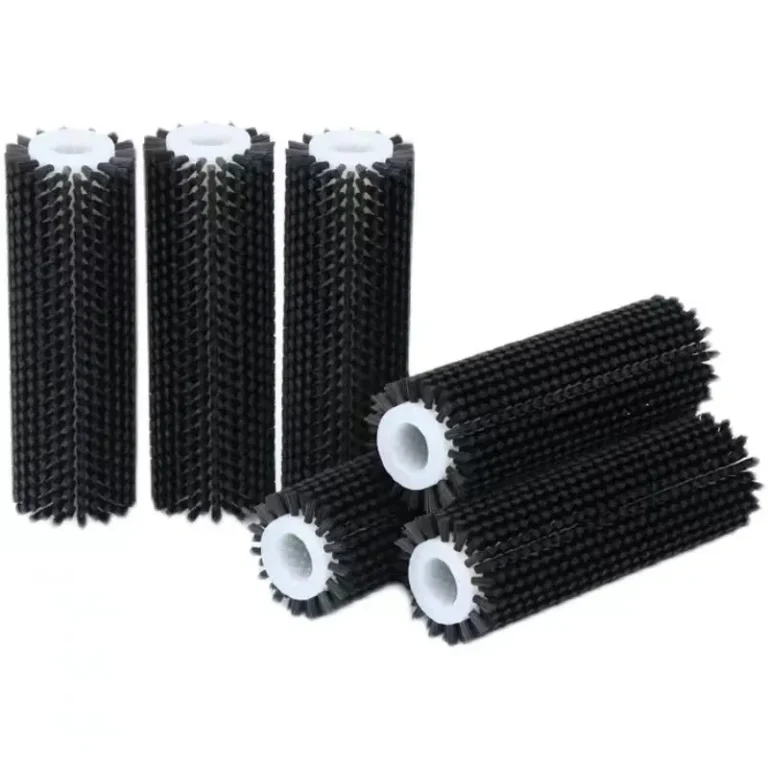
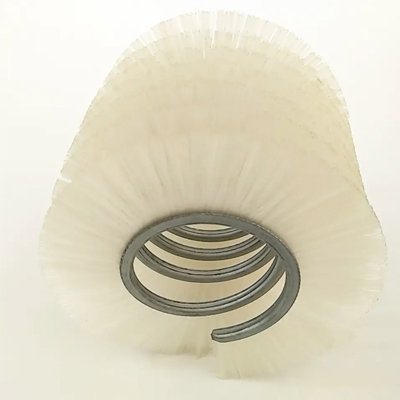
A nylon spring brush has bristles made from nylon fibres. These bristles are softer than metal wires. The brush fits into a coiled base, which gives it strength and flexibility. People use nylon spring brushes for cleaning tasks that need a gentle touch. They work well on furniture, wood, and delicate surfaces. Many use them to dust, polish, or clean without scratching the material.
Carbon brush springs
Carbon brush springs look different from the other types. They use a spiral spring made from metal, often steel. The spring holds a carbon block in place. This block touches moving parts inside motors or generators. The carbon brush spring keeps a steady electrical contact. It helps the motor run smoothly and stops sparks or damage. People find these springs in electrical motors, generators, and alternators.
Tip: Choosing the right spring brush type makes cleaning and maintenance much easier. Each type has its own job and works best in certain tasks.
Spring brush applications
Industrial and cleaning uses
Factories and workshops use spring brushes for many jobs. Workers clean conveyor belts and remove dust from machines. They also get surfaces ready for painting or coating. The wire spring brush is good for hard jobs. It can scrape rust or old paint from metal parts. Nylon spring brushes are better for gentle work. They polish wood and clean furniture. People pick nylon bristles when they do not want scratches on soft surfaces.
Did you know? Spring brushes help keep production lines fast. They sweep away debris quickly. This means machines stop less and work better.
Electrical and motor applications
Spring brushes are important in electrical systems. Engineers put carbon brush springs inside motors and generators. The spring pushes the carbon block onto moving parts. This keeps the electrical contact steady. It helps the motor run well and stops sparks or damage. Many car starter motors use spring brushes for good performance. The design is easy to install and needs little care. This makes them popular in modern machines.
Advantages of spring brushes
Spring brushes have many good points over old brushes. People like them because they are useful, cheap, and easy to look after. They work for tough cleaning and gentle polishing.
-
Versatility: Spring brushes come in many shapes and materials for different jobs.
-
Cost-effectiveness: Synthetic brushes cost less than sable brushes. They last longer and need fewer changes, so they save money.
-
Durability: Spring brushes stay strong and keep their shape.
-
Low maintenance: Users spend less time cleaning or changing these brushes.
-
Weight-bearing: Carbon brush springs hold heavy loads but are not heavy.
Tip: Picking the right spring brush can help machines work better and save money.
Spring brushes are trusted tools for cleaning, fixing, and electrical work. Their design makes them fit for many jobs and special tasks.
A spring brush keeps machines and surfaces working well. There are wire, nylon, and carbon types for different jobs. Choosing the right brush helps machines work better and last longer. People should look at the environment, material, and design before choosing.
FAQ
What is the main job of a spring brush?
A spring brush cleans surfaces or keeps electrical contacts working. It helps machines run smoothly and removes dust or debris.
Can someone use a spring brush on delicate surfaces?
Yes, they can. Nylon spring brushes work well on delicate surfaces like wood or furniture. These brushes clean without scratching.
How often should someone replace a spring brush?
It depends on use. If the brush looks worn or does not clean well, they should replace it. Regular checks help keep machines in good shape.