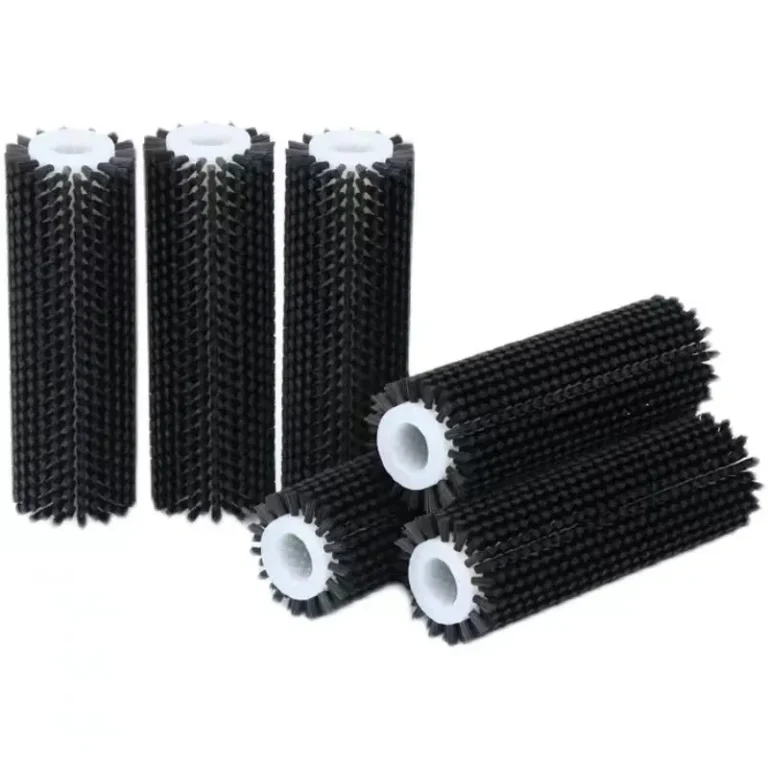
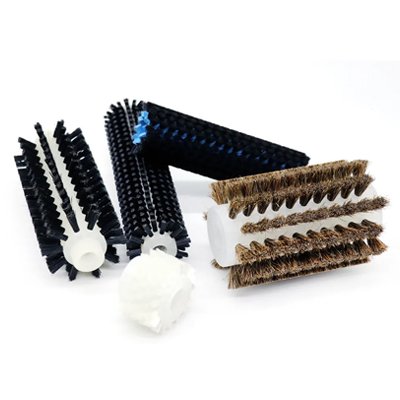
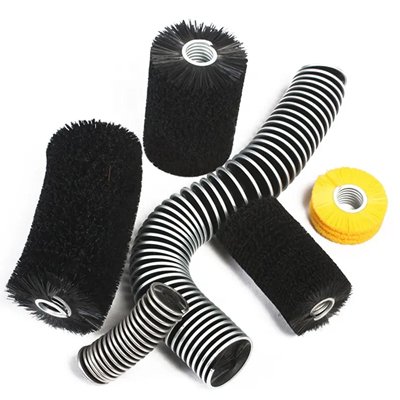
A brush cylinder helps machines sweep floors and keep spaces clean. Cylindrical brushes spin quickly in lightweight tubes, picking up big bits and tiny dust. They fit many machines and work in lots of places. People in the industry need to know how these brushes make jobs easier and keep work areas safe.
Brush Cylinder Structure
Construction Method
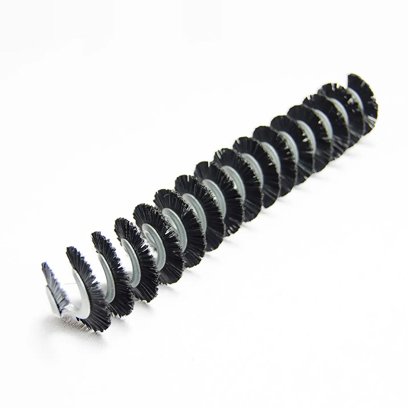
Making a brush cylinder uses smart ways. The usual way is winding a metal strip around a mandrel. This shapes the brush into a cylinder. Some factories use punching for roller brushes. The table below lists the main ways to make cylindrical brushes:
|
Technique |
Description |
|---|---|
|
Coiling metal strips around a mandrel |
Metal strips are wrapped around a cylinder shape to make brush cylinders. |
|
Punching |
This method is used for making roller brushes. |
These ways help make strong and dependable cylindrical brushes. They work well in many factories.
Key Design Features
Cylindrical brushes have clever designs. Their round shape lets them roll easily over surfaces. This makes cleaning and finishing simpler. When they spin, they clean better and reach every spot. The pressure stays even, so the brush wears down slowly. It also cleans every part the same way. Factories and workshops use these features to keep machines working well. The spinning saves time, which is important in busy places.
Tip: Even pressure from a brush cylinder stops streaks and missed spots when cleaning.
Materials Used
Picking the right material for cylindrical brushes matters a lot. Factories choose materials based on the job and place. Here is a table showing common materials and how they change the brush’s life and use:
|
Material |
Key Properties |
Longevity Influence |
|---|---|---|
|
Steel |
Strong, tough, handles high pressure |
Lasts long and works for hard jobs |
|
Carbon Steel |
Cheap, strong |
Good for steady jobs, does not wear out fast |
|
Stainless Steel |
Does not rust, good for wet places |
Lasts longer in damp or tricky areas |
Steel is best for hard jobs like welding or tough cleaning. Stainless steel lasts longer in wet or tricky places. Carbon steel is good for easier jobs. These choices help factories use their brushes well and spend less on fixing them.
Cylindrical Brushes Applications
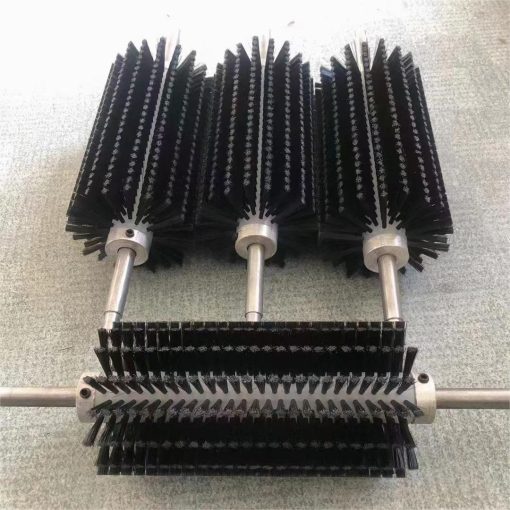
Cylindrical brushes are important in many industries. They help clean, prepare surfaces, and finish products. These brushes work in factories, Solar Photovoltaic Cleaning, and food plants. People trust them because they clean well and handle tough jobs. Let’s see how these special brushes help in three main ways.
Conveyor Cleaning
Factories use conveyor belts to move things fast. Dirt and rubbish can build up on these belts. This causes problems. Cylindrical brushes keep conveyor belts clean and safe. Workers see fewer jams and less broken equipment. Clean belts also stop contamination. This matters in recycling and food making.
Here are ways cylindrical brushes help with conveyor cleaning:
-
Stop contamination by keeping belts free from dirt.
-
Keep sorting working well, so things move smoothly.
-
Make work safer by lowering slip and fall risks.
-
Help belts last longer, saving money on repairs.
-
Cut downtime, so machines run longer without stopping.
-
Help meet rules by lowering contamination risks.
-
Make recycling better by improving material quality.
Factories often use machines with cylindrical brushes. These machines clean big areas with little manual work. The brushes can be made for special jobs. They fit different belt sizes and cleaning needs.
These features let factories pick the best conveyor cleaning brush for their conveyor cleaning.
Surface Preparation
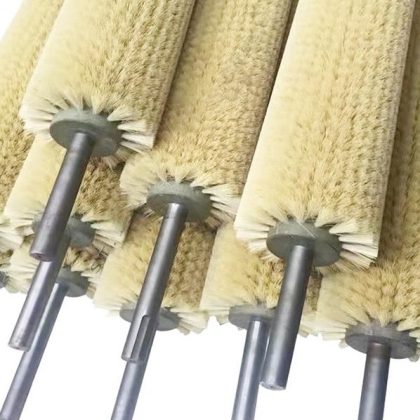
Before painting or coating, surfaces must be clean and smooth. Cylindrical brushes remove grease, rust, and dirt from metal and other materials. Workers use these brushes to get parts ready for painting, coating, or welding. The brushes reach corners and clean big areas quickly.
People in factories attach cylindrical brushes to drills or machines. This makes cleaning faster and better. The brushes work well on dirty parts, saving time and effort.
-
Cylindrical brushes take dirt off surfaces.
-
They clean parts with grease, rust, or dirt.
-
Workers use them to clear loose rubbish before painting.
These brushes help make surfaces smooth. This is important for good quality and strong products. Factories can order special brushes for each job, making sure they use the right tool.
Deburring And Polishing
After cutting or shaping metal, sharp edges and rough spots can stay. Cylindrical brushes help remove these burrs and polish surfaces. Workers use them to make products safer and look better. The brushes spin fast, smoothing rough areas and making parts shiny.
Factories use cylindrical brushes for deburring and polishing because they work quickly and cover big areas. The brushes can be made to fit different machines and jobs. This means factories get the best results for each task.
Industrial brushes also help finish plastics, glass, and other materials. They make products look and feel better, ready for sale or more work.
Tip: The right brush cylinder for deburring and polishing saves time and makes products better.
Cylindrical brushes help many industries like farming, road sweeping, waste management, food safety and glass making. Their cleaning power and flexibility make them important tools in modern factories.
|
Feature |
Description |
|---|---|
|
Fully Autonomous Cleaning |
Machines control water and chemicals, so workers do less. |
|
Wet Sweep Capability |
Brushes pick up dust and rubbish well, making cleaning better. |
|
Advanced Navigation |
Machines use lasers to clean tricky areas, making work faster and easier. |
Special brushes let factories pick the best one for each job. This helps make work faster, safer, and better in many industries.
Industrial Brushes Benefits
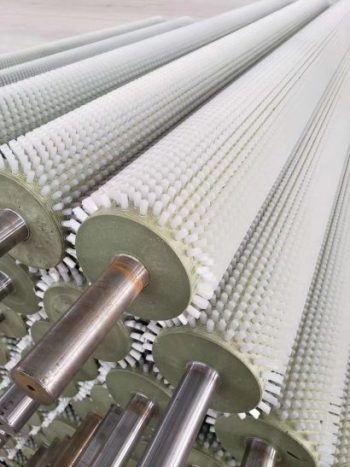
Efficiency
Industrial brushes help factories work faster. Workers use them to clean machines and floors quickly. These brushes save time because they pick up dirt fast. Machines stay in good shape, so work does not stop much. Here are ways industrial brushes help factories run better:
-
Fast cleaning keeps machines working longer.
-
Brushes stop dirt from building up, so machines last.
-
Clean workspaces help workers do their jobs well.
Special industrial brushes fit many machines and jobs. Factories often pick custom brushes for special tasks. This helps them get the best results each time.
Quality
Factories want products that look nice and work well. Cylindrical brushes help keep quality high. They clean surfaces evenly, so every item looks the same. Machines use industrial brushes to make sure each product is checked. The table below shows how these brushes help keep quality:
|
Benefit |
Description |
|---|---|
|
Quality Assurance |
Industrial brushes help meet cleanliness and quality rules, so fewer products are rejected and less fixing is needed. |
|
Efficient Cleaning |
They give even cleaning, which is important for good products. |
|
Cost-Effectiveness |
Using brushes often stops machines from wearing out, so repairs cost less. |
|
Improved Productivity |
They help products move smoothly, so work goes faster and more gets done. |
Cost-Effectiveness
Factories save money when they use industrial brushes. Cleaning by hand takes longer and costs more. Industrial brushes use less water and cleaning stuff. Floors and machines last longer, so repair bills go down. Fewer accidents happen because clean floors are safer.
-
Lower labour costs over time
-
Less water and cleaning stuff used
-
Fewer repairs needed for floors and machines
-
Safer workspaces with fewer accidents
Brush cylinder and cylindrical brushes help factories work better, make good products, and save money.
Cylindrical brushes are important in factories. They help clean surfaces and make them smooth. Many industries use them to work faster and make better products.
-
Industrial brushes fit lots of different jobs in factories.
-
They last a long time, help save money, and make work quicker.
Picking the right brush helps everything go well.
FAQ
Why are brush cylinders useful for cleaning in factories?
Brush cylinders let workers clean big spaces fast. They pick up dust and rubbish from machines and floors in factories.
Can cylindrical brushes be made for different factory jobs?
Yes, factories can get brushes in many sizes and materials. This means each brush fits the job it needs to do.
When should workers change brush cylinders?
Workers need to look at brushes often. If the bristles look old or cleaning gets slower, it is time to change the brush cylinder.