Many people want a roll up door brush seal. It helps keep out dust, rain, and pests. You need to measure the door carefully. The seal must be lined up right for a good fit. A brush seal lasts a long time. It protects well against bad weather. With some help, anyone can look after their door seals. They can feel sure about doing a good job.
Key Takeaways
-
Measure your garage door with care to get a good fit for the brush seal. Use a tape measure and write down the biggest sizes. This helps you stop any gaps.
-
Pick the best material for your brush seal. Heavy-duty nylon lasts a long time. Stainless steel does not rust in wet places.
-
Check and clean your brush seal often to make it last longer. Wash it with soap and water to keep it soft and working well.
Selecting a Roll Up Door Brush Seal
Measuring for the Right Fit
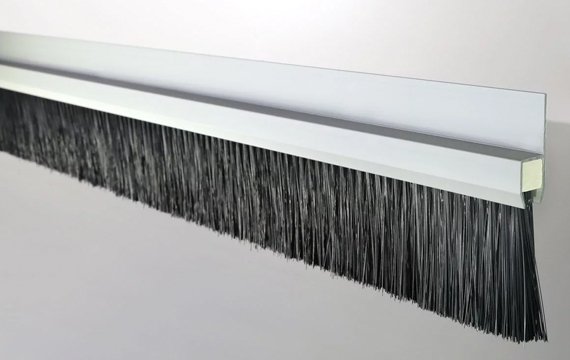
Getting the right fit starts with careful measurement. The width and height of the garage roller door opening should be measured. Using a tape measure and recording the numbers is helpful. It is important to check both sides and the bottom of the door, as the floor or frame may not be even. Measurements should be taken at several points to identify any gaps or uneven areas. This step ensures that the roll up door brush seal will cover every edge and prevent draughts or pests from entering.
Tip: Measure twice to avoid mistakes. Write down the largest measurement for each side. This way, the seal will fit even if the door frame is not perfectly straight.
Choosing Materials and Types
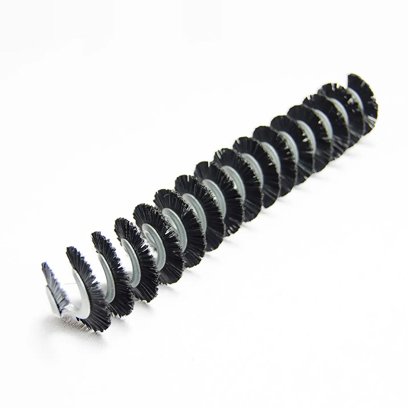
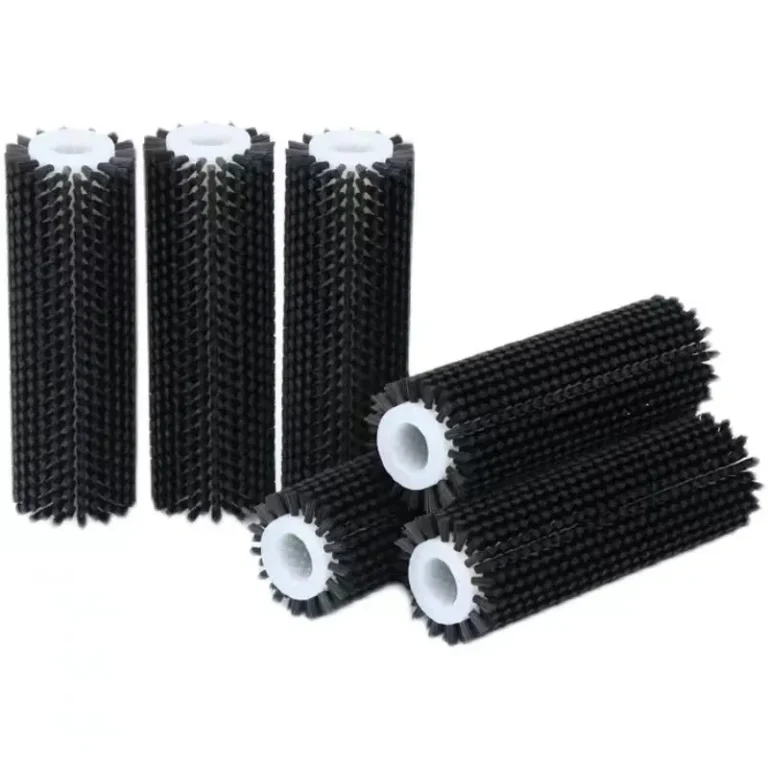
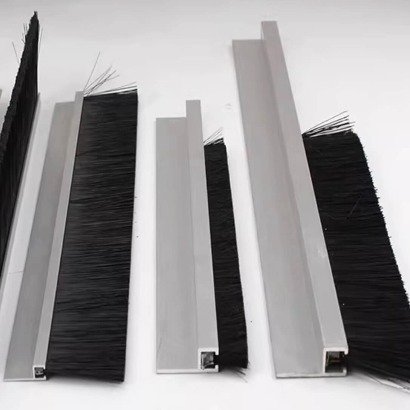
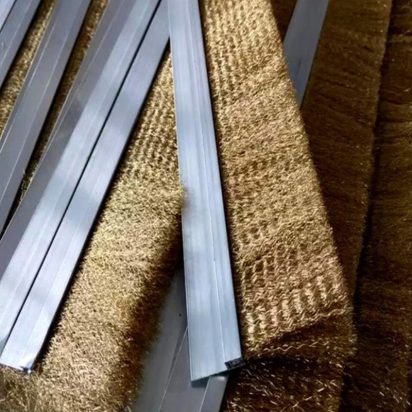
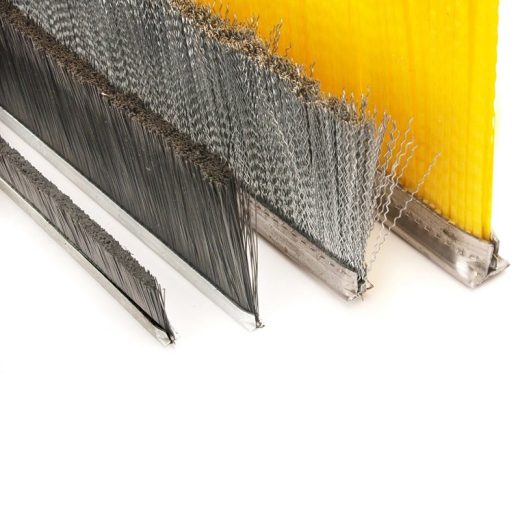
Selecting the right material makes a big difference in how long the seal lasts and how well it works. Many people choose heavy-duty nylon for the bristles. Nylon stands up to tough weather and lots of use. Some seals use aluminium retainers. These are light but strong, so they help the seal last longer. Other bristle options include sisal wire, horse hair, and stainless steel wire. Each type has its own strengths. Sisal wire seal brush works well for rough surfaces. Horse hair is soft and gentle, good for delicate doors. Stainless steel wire resists rust and is great for wet areas.
-
Heavy-duty nylon brush seals handle harsh environments and heavy use.
-
Aluminium retainers add strength without making the seal heavy.
-
Sisal wire bristles suit rough or uneven surfaces.
-
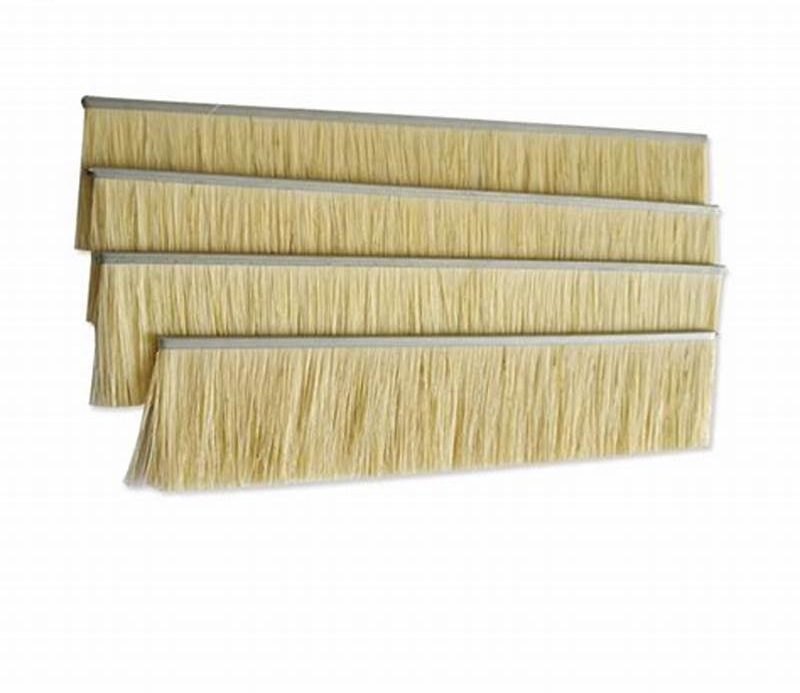
Horse Hair Strip Brush offers a softer touch for special doors.
-
Stainless steel wire bristles resist rust and work well in damp places.
People often wonder how to seal a garage door for the best results. Choosing the right material is a big part of the answer. The right brush seal keeps out rain, dust, and pests. It also helps prevent water from entering the garage.
Matching Seal to Door Style
Not every seal fits every door. The type of garage roller door or roller shutter door should be considered. Some doors are made of steel, while others are sectional or corrugated. Each style requires a different approach. For instance, a steel door might need a more robust seal, while a sectional door could have small gaps requiring a flexible brush. Corrugated doors often feature uneven edges, making a thicker brush more effective.
Sometimes, the surface where the seal attaches is rough or uneven, which can complicate installation. One might find that the seal does not adhere properly or leaves gaps. In such cases, using extra materials like fillers or special adhesives can help the seal fit snugly.
-
Proper adhesion can be hard on uneven surfaces.
-
Gaps may be too wide for standard seals.
-
Extra materials may be needed to fill in rough spots.
There are many types of garage door seals and types of roller door seals. Picking the right one means looking at the door style, the surface, and the environment. The right roll-up door brush seal will keep the garage clean, dry, and safe.
Installing a Roll Up Door Brush Seal
Tools and Preparation
All necessary tools should be gathered, including a tape measure, drill, screwdriver, and safety glasses. The garage roller door should be checked for dirt and cleaned thoroughly. The brush seal and its retainer are then placed next to the door, ensuring the sizes match the previously taken measurements. If the door frame is uneven, filler or adhesive can be used. Good planning saves time and helps prevent mistakes during the garage roller door sealing process.
Alignment and Fitting
It is important to properly align the brush seal. The seal should be held against the bottom or sides of the garage roller door. The installer checks that the bristles touch the floor or frame without excessive bending. The positions for the screws are then marked, followed by drilling holes and securing the retainer in place. Care is taken to ensure the brush points outward, away from the door groove. Several common mistakes can occur during the installation of the seal:
-
The brush points the wrong way and does not stop draughts.
-
Offset seals are put on backwards and cannot expand.
-
Grooves are painted or filled too much, making the seal stiff.
-
The wrong seal type is used, which can break the rules.
The door should be opened and closed to test the seal. If the seal shifts or leaves gaps, the alignment needs to be corrected. This step is helpful for anyone aiming to properly seal a garage door.
DIY vs Professional Help
Some people like to fit garage door seals by themselves. Others call a professional, especially for big or heavy roller shutter doors. The table below shows the main differences:
|
Aspect |
Professional Install |
DIY Kit |
|---|---|---|
|
Who it suits |
Most homeowners, tricky places, attached garages |
Skilled DIYers with square doors and easy access |
|
Typical time on site |
Half to one day per door when electrics are ready |
One to two days, depending on skill |
|
Tools and skills |
Installer brings special tools and lifts |
Careful measuring, drilling into brick, safe wiring to a spur |
|
Safety setup |
Included, with safety edge and photocell tests |
Your job, risk of mistakes or breaking rules |
|
Warranty impact |
Usually kept, service team can help |
Some brands limit or cancel warranty for DIY |
|
Total cost |
Higher at first, but result is sure |
Lower labour cost, but risk if you need to fix it |
A DIY approach is suitable for a simple garage roller door with easy access. For more difficult jobs or when the door is attached to the house, contacting a professional is recommended. Either method helps ensure the roll up door brush seal functions effectively.
Maintaining Your Brush Seal
Regular Inspection and Cleaning
A clean and well-maintained brush seal performs more effectively and has a longer lifespan. The garage roller door seal should be inspected every few months for any dirt, leaves, or cobwebs caught in the bristles. Regular cleaning helps maintain the seal’s softness and flexibility, which is crucial for preventing water from entering the garage.
Here are some easy cleaning steps anyone can follow:
-
Use a soapy sponge to wipe down the brush strips and seals. This removes dirt and mildew.
-
Rinse with clean water and let the seal dry.
-
While cleaning, inspect the seal for cracks or tears. Any damage may mean it is time for seal replacement.
Tip: A quick clean after a storm or heavy use keeps the garage door seals in top shape.
Spotting Wear and Replacing
Brush seals perform significant work and over time can show signs of wear. It is important to watch for these early warning signs:
-
Visible damage, such as cracking, tearing, or flattening of the seal.
-
Draughts or cold air coming in around the edges of the garage roller door.
-
Water leaks, with pooling or stains near the door frame.
-
More noise from outside than usual.
-
Higher energy bills, which can mean the seal is not keeping the heat in.
-
The door feels harder to open or close.
If any of these issues are observed, planning for a seal replacement is advisable. A new roll up door brush seal will restore a water-tight barrier, keeping the garage dry and comfortable.
Maximising Seal Performance
Good maintenance helps the seal last longer and perform more effectively. A few simple habits can be adopted to maximize the performance and lifespan of garage door and roller shutter door seals.
-
Regular maintenance blocks dust and pests from getting inside.
-
Seals can wear out from sun, rain, and frequent use. Annual checks help spot cracks or hard spots early.
-
Cleaning with mild soap and water keeps the bristles flexible.
-
A silicone-based lubricant can help the seal move smoothly and stay soft.
The right care saves money in the long run. A well-maintained seal keeps energy bills lower by stopping draughts. It also protects the garage roller door from damp weather and keeps out pests and debris, which means less cleaning.
Here is a quick look at how often to check different types of doors:
|
Type of Door |
Maintenance Frequency |
Notes |
|---|---|---|
|
Commercial Roll Up |
At least once every 12 months |
High-use doors may need checks every six months. |
|
Residential Roll Up |
Typically checked annually |
Less use means fewer checks, unless problems appear. |
Note: A regular routine helps keep the water-tight seal strong and the garage roller door working smoothly.
Choosing, fitting, and caring for a brush seal keeps a garage roller door working well. Regular checks and proper alignment help stop draughts and leaks. A simple checklist—look, clean, lubricate, and test—makes ongoing care easy. Staying proactive means the door stays secure and efficient for years.
FAQ
How long does a roll up door brush seal last?
A brush seal can typically last for several years. Its lifespan can be extended through regular cleaning and inspection.
What is the best way to clean the brush seal?
The recommended method involves using a soft brush and mild soap. Rinsing with water removes dirt and keeps the bristles flexible.
How do you choose the right brush seal material?
The choice depends on the door type and environment. Heavy-duty nylon is durable for general use, sisal wire suits rough surfaces, and stainless steel wire resists rust in damp conditions. The door’s style—whether steel, sectional, or corrugated—also influences the best seal type for a snug fit.