A Vegetable Cleaning Brush cleans vegetables better than just water. It helps scrub off tough dirt, pesticides, and bacteria that stay on food. Many people say vegetables taste fresher and feel nicer. Using a food cleaning brush makes healthy eating easy and helps everyone feel sure about their meals.
Key Takeaways
-
A vegetable cleaning brush gets rid of dirt, pesticides, and bacteria better than just water. This makes your vegetables safer to eat. Using a brush lets you keep the skin on vegetables. The skin has important nutrients and makes food taste better. This helps make your meals healthier. Cleaning your brush often stops bacteria from growing. This keeps your kitchen safe and your food fresh.
Risks of Unwashed Produce
Hidden Contaminants
Fresh fruit and vegetables may look clean. But they can still hide many harmful things. You might find bacteria, viruses, or tiny parasites on them. Some common contaminants are:
-
Salmonella and E. coli
-
Noroviruses and Hepatitis A
-
Listeria monocytogenes
-
Shigella and Campylobacter
-
Pesticide residues
-
Dirt, stones, and other physical objects
These things come from soil, water, or animals. Enteric pathogens live in animal digestive systems. They can stick to producing during farming. Children and older people are at greater risk from these dangers.
Tip: Water alone cannot always get rid of these problems. A vegetable cleaning brush helps remove tough dirt and germs.
Why Rinsing Isn’t Enough
Many people rinse vegetables and think they are safe. Water can take away some dust. But it does not remove all germs or chemicals. Foodborne illnesses often happen when these stay on vegetables. Cross-contamination can also happen in kitchens. This is when raw foods touch foods that are ready to eat.
|
Contributing Factor |
Description |
|---|---|
|
Contamination from animal sources |
Contaminants can get on produce before it comes to your kitchen. |
|
Cross-contamination |
Raw animal foods can spread germs to fresh vegetables. |
|
Importance of sanitation controls |
Good cleaning at factories lowers risks for raw produce. |
Eating dirty produce can cause serious health problems. You might have a higher chance of cancer, diabetes, or heart disease. Children who get pesticides may have trouble learning or breathing. Using a vegetable cleaning brush helps keep families safer and less worried.
Vegetable Cleaning Brush Benefits
Removes Dirt and Pesticides
A vegetable cleaning brush does more than make vegetables look clean. It scrubs off tough dirt and pesticide residues that water cannot remove. This is very useful for root vegetables and firm produce. Brushes with lots of bristles reach into small cracks on potatoes, carrots, and cucumbers. This helps get rid of more unwanted stuff and lowers the chance of eating harmful chemicals.
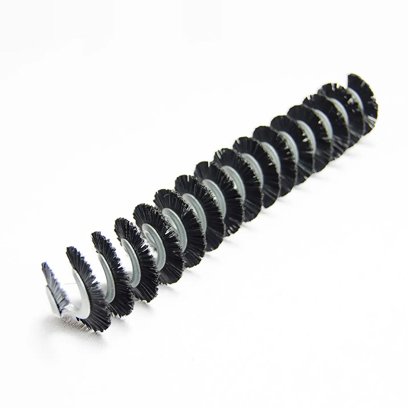
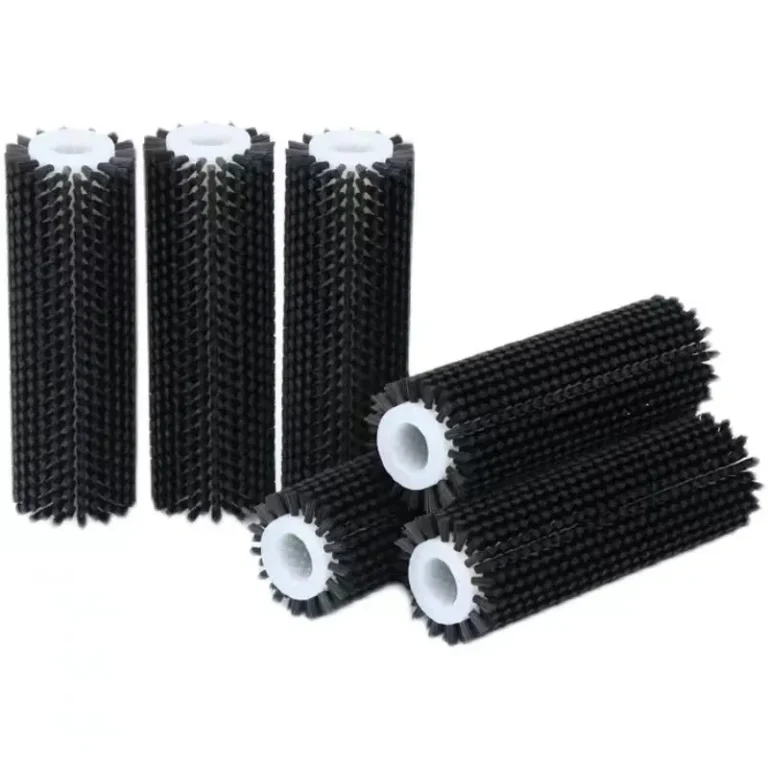
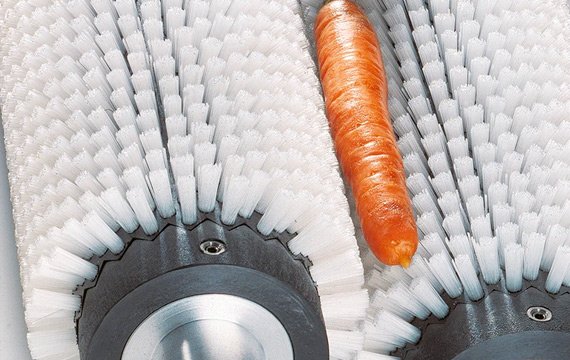
Nylon brush rollers spin fast to lift away dirt and pesticide residues. These brushes are made from food-grade nylon, polypropylene, or natural bristles. They do not rust and are safe to use. They can handle high heat, so you can disinfect them easily and use them many times.
Here is a quick look at how well a vegetable cleaning brush works for different produce:
|
Produce Type |
Effectiveness in Pesticide Removal |
|---|---|
|
Apples |
High |
|
Carrots |
High |
|
Cucumbers |
High |
|
Potatoes |
High |
Tip: Using a vegetable cleaning brush helps you feel safe, especially when making food for children or older adults.
Preserves Nutrients and Taste
Many people peel vegetables to get rid of dirt, but peeling takes away important nutrients in the skin. A vegetable cleaning cylinder brush lets you keep the skin, so more vitamins and minerals stay in your food. For example, brushing potatoes before cooking keeps their nutrients. This way, you keep the good stuff and remove the bad.
-
Brushing potatoes keeps their vitamins and minerals.
-
Cleaning with a brush before cooking is best for nutrients.
-
Keeping the skin on root vegetables makes meals healthier.
Taste and texture are important too. Scrubbing gently with a soft brush cleans vegetables without hurting the skin. This keeps the natural flavour and crunch. People often say vegetables taste fresher and feel better when cleaned with a brush instead of just rinsing.
Note: Using a Vegetable Cleaning Brush saves time because you do not need to peel most vegetables. This makes meals healthier and quicker to make.
Reduces Cross-Contamination
Cross-contamination in the kitchen can cause foodborne illnesses. Harmful bacteria from dirty vegetables can spread to cooked food and surfaces. Using a vegetable cleaning brush lowers this risk. Studies show nylon brushes move fewer germs from dirty produce, sometimes as low as 0 to 12%. This helps keep kitchens safer.
-
Dirty vegetables can move bacteria to cooked food.
-
A Vegetable Cleaning Brush helps stop germs from spreading.
-
Brushes with lots of bristles remove more dirt, so fewer bacteria stay.
Food cleaning brushes are made for hygiene. Their materials do not rust and do not keep bacteria. They can handle high heat, so you can clean them easily. If you clean your brush often, it helps stop bacteria from growing on kitchen tools.
|
Benefit |
Description |
|---|---|
|
Less Worry |
Using a vegetable brush helps you worry less about cleaning root vegetables. |
|
More Nutritious |
Keeping the skin on root vegetables with a brush makes food healthier. |
|
Save Time |
A brush lets you cook without peeling, so you save time. |
Using a Vegetable Cleaning Brush is an easy step that makes healthy eating safer, quicker, and more enjoyable for everyone.
How to Use a Vegetable Cleaning Brush
Choosing the Right Brush
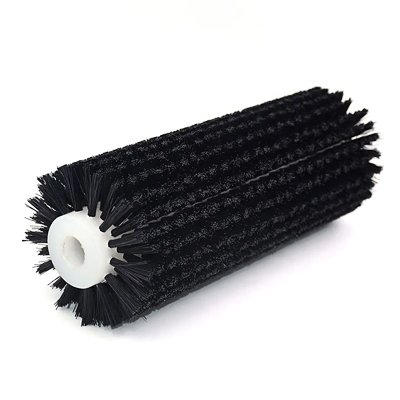
Picking a good brush makes cleaning easier. Many people choose brushes made from natural things, like beech wood and biodegradable bristles. The other side has tough Union fibres for root vegetables. This design helps clean many types of produce. It does not hurt the vegetables.
|
Feature |
Description |
|---|---|
|
Material |
Natural, sustainable, or strong for good cleaning |
|
Bristle Types |
Soft and tough fibres for different vegetables |
|
Handle |
Oiled beech wood lasts a long time |
|
Eco-Friendly |
No microplastics, better for the planet |
Cleaning Different Vegetables
People use different ways for each vegetable. For root vegetables like potatoes and carrots, they scrub hard dirt with the firm side. Citrus fruits with thick skins also need a good scrub. Leafy greens need a gentle touch.
Myths and Misconceptions
Some people think a quick rinse is enough. Scrubbing with a Vegetable Cleaning Brush removes more dirt and bacteria. Some believe organic produce does not need washing. It can still have harmful things. Some worry brushes hurt vegetables. Good brushes clean gently and do not damage them. Some use soap, but plain water or special produce wash is safer. Even pre-washed or peeled vegetables need cleaning to stop cross-contamination.
A Vegetable Cleaning Brush works for many kinds of produce. It helps everyone eat cleaner, safer food.
A vegetable cleaning brush helps keep food clean, safe, and full of nutrients. People find it easy to use in daily routines. They can follow these steps:
-
Soak produce in water.
-
Rinse under running water.
-
Gently scrub with the brush.
Adding this tool makes healthy eating simple.
FAQ
How often should someone clean their vegetable cleaning brush?
He needs to rinse the brush after each use. She should wash it thoroughly once a week. This keeps the brush clean and ready for next time.
Can a vegetable cleaning brush damage soft vegetables?
They should pick a soft-bristled brush for gentle vegetables. This stops bruising or tearing. It still removes dirt and bacteria.
Can I customize the bristle stiffness of a vegetable cleaning brush?
Yes, you can customize the bristle stiffness of a vegetable cleaning brush. We offer soft, medium, and hard bristle options in materials like nylon roller brushes for durability and gentle cleaning.