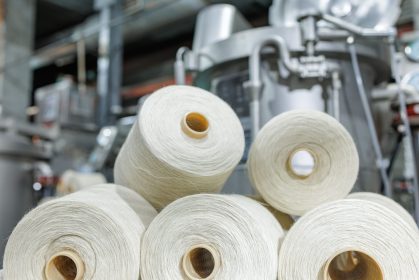
Picking the correct textile processing brush is very important for good results in factories. He needs to check the brush type, material, and design to get the best results. Using the right brush for the textile job helps work go faster and makes better products, so they get what they want.
Key Takeaways
-
Picking the correct textile processing brush helps work go faster and makes products better. You should always pick a brush that fits the textile job.
-
Think about the bristle material before you choose. Synthetic bristles last a long time and are clean, but natural bristles are softer and can lose hair more easily.
-
Make a checklist when you pick a brush. Find out what the job is, pick the best bristle material, and check the brush works with the machine and place.
Identifying Your Textile Application
Common Industrial Textile Processes
To pick the right textile processing brush, you must know the job. Each job in a factory needs a special brush. Brushes are used for cleaning, finishing, moving fabric, and stopping static. The table below lists some common jobs and how brushes help:
|
Textile Process |
Description |
|---|---|
|
Textile Printing |
Tufted nylon brushes help keep rotary screen-printing machines clean and working well. |
|
Textile Flocking |
Fineset brushes make flocking easier, so fabric feels softer and looks even. |
|
Textile Carding |
Card cleaning brushes keep carding machines clean and give strong cleaning. |
Key Factors for Each Application
You should always know the job before picking a brush. Printing needs brushes to take away ink and dirt. Flocking needs brushes to spread fibres evenly. Carding needs brushes that clean very well. The place where you use the brush matters too. Factories with lots of water or dust need strong and clean brushes. The type of fabric is important as well. Soft fabrics need gentle bristles. Heavy fabrics need stiff bristles. Good results come from matching the brush to the job and fabric. Brush makers have many choices for special jobs, so you can find the right one.
Tip: Always check the job and fabric before picking a brush. This keeps your work good and your machines working well.
Types of Textile Processing Brushes
Roller, Strip, and Disc Industrial Brushes
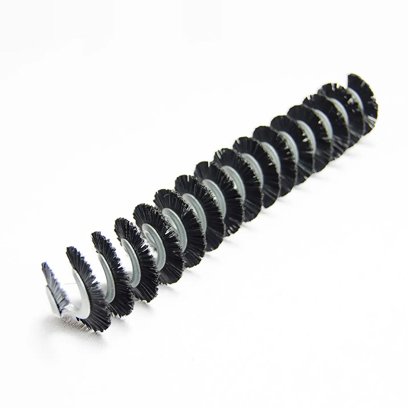
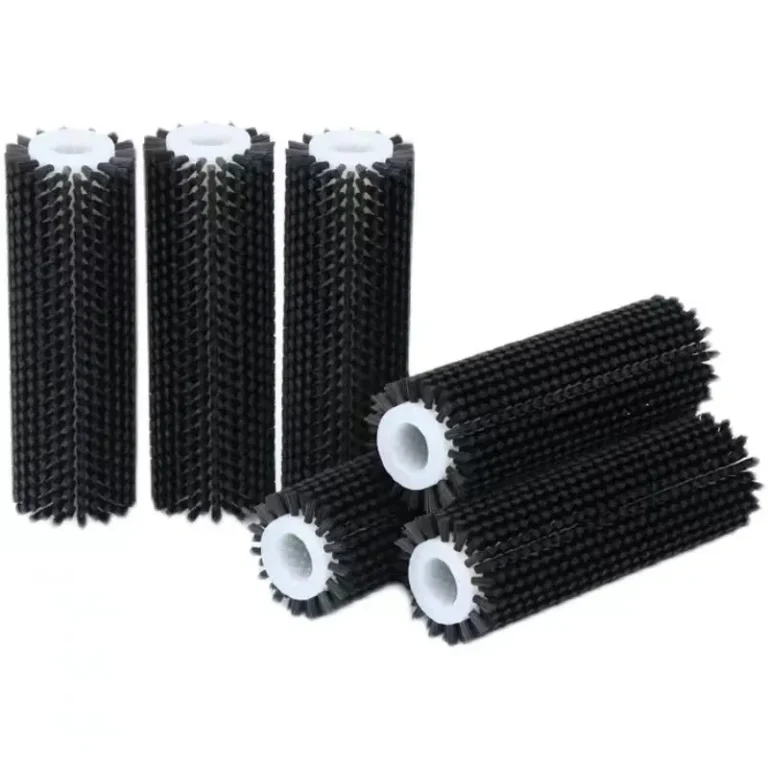
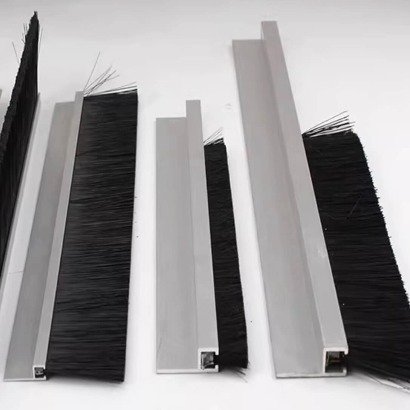
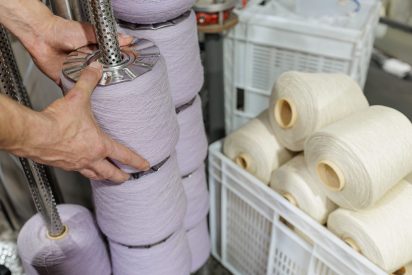
Industrial brush makers have many brushes for textile work. Roller brushes clean big areas of fabric fast. Strip brushes clean edges and help move textiles in machines. Disc brushes are good for special jobs like polishing or taking lint off small spots. The brush you pick depends on the job and what you want to achieve.
Different materials make each brush work in its own way. Nylon bristles last long and are good for cleaning. Animal hair brushes are gentle and suit soft fabrics. Wire brushes are strong and remove tough dirt. Carbon fibre brushes help stop static and keep machines safe. Some brushes use polymer bristles to resist chemicals. Others use biodegradable materials to help the environment.
Here is a table that shows some main types of textile processing brush and what they do:
|
Type of Brush |
Function |
|---|---|
|
Emery |
Takes off a layer of fabric for a heavier peach effect. |
|
Abrasive brushes |
Gives a softer and more gentle peaching look with different materials. |
Selection of the Right Type of Brush for Your Needs
Choosing the right brush starts with knowing the fabric. You should match the brush to the textile to stop contamination. The finish you want helps you pick the brush, like if you want it smooth or with round edges. How fast you need to work matters, as some brushes are quicker. The grit and size of abrasive filaments also change the result.
Brush shape, how close the bristles are, and how stiff they are all affect the final quality. A thick brush cleans well, but soft bristles protect gentle textiles. With so many choices, he can find the best textile processing brush for every factory job.
Tip: Always check the brush material and design before you choose. This helps you get the best results and keeps machines working well.
Factors to Consider When Choosing an Industrial Brush
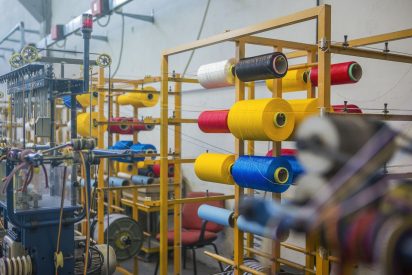
Picking the right industrial brush for textile work can seem hard. There are many things to think about, and each one changes how well the brush works. Let’s look at the main points so anyone can choose well for their factory.
Bristle Material: Synthetic vs Natural
The bristle material is one of the first things to check. Synthetic bristles like nylon or polypropylene are good for many jobs. They bend back easily, do not get tired fast, and do not shed much. These brushes last longer and stay cleaner because they do not let bacteria grow. Natural bristles, such as horsehair, feel rougher and can hold more paint or liquid. But they shed more and do not last as long. Factories often pick synthetic bristles because they cost less and always work the same, especially when high quality is needed.
Here’s a quick look at how synthetic and natural bristles compare:
|
Property |
Synthetic Bristles |
Natural Bristles |
|---|---|---|
|
Bend Recovery |
92% |
88% (Horsehair) |
|
Fatigue Resistance |
95-98% |
10% (Horsehair) |
|
Bristle Shedding |
Minimal |
High |
|
Hygiene |
Antibacterial |
Porous, absorbs dirt |
|
Lifespan |
Longer |
Shorter |
Synthetic bristles also work well with chemicals and water, so they are great for cleaning and finishing. For tough jobs, wire bristles are stronger. Carbon fibre bristles help stop static, which keeps machines safe and fabrics clean.
Tip: Always match the bristle material to the textile and the job. Nylon is good for cleaning, wire is for tough jobs, and carbon fibre helps with static.
Durability, Maintenance, and Hygiene
How long a brush lasts and how easy it is to care for are important in factories. A good brush should bend many times, not wear out fast, and keep its shape. These things help the brush work well, even after lots of use. Good brushes do not need to be replaced often, which saves money and time.
Factories should also think about hygiene. Synthetic bristles do not let bacteria grow and are easy to clean, which helps keep textiles safe from dirt. Cleaning the brush and checking for damage helps it last longer.
Note: To check if a brush is good, look for even bristles, strong bristle hold, and smooth use.
Customisation and Supplier Selection
Every textile job is different. Sometimes, a normal brush will not work for every need. That is when custom brushes help. Custom brushes fit machines better, give the finish needed, and last longer. They can be made with special bristles, shapes, and how close the bristles are, to match the job.
When picking a supplier, factories should choose brush makers who know about textiles. Good suppliers give advice on the best brush for each job and can give samples to try. They also help after you buy and with care.
Here’s a simple checklist for the steps to pick the right brush:
-
Find out what the brush is for: Is it for cleaning, polishing, deburring, or getting a surface ready?
-
Pick the bristle material: Choose nylon, wire, polypropylene, or carbon fibre for the textile and job.
-
Choose the brush shape and size: Make sure the brush fits the machine and covers the area.
-
Think about where it will be used: Check the temperature, chemicals, and water in the place.
-
Check how long it will last and how to care for it: Pick good brushes and ask about fixing or reusing them.
Factories sometimes make mistakes, like picking the wrong bristle or not thinking about the finish needed. Some forget to check if the brush works with their machines. Avoid these mistakes by using the checklist and talking to trusted brush makers.
Callout: Custom brushes and expert advice from brush makers help factories get the best results and avoid costly mistakes.
Picking the right textile processing brush is very important in factories. He needs to choose the brush type, material, and design that fit the job. This helps the work stay quick and good.
Remember: Use the checklist and speak to suppliers for special solutions.
FAQ
Why is it important to customize the bristle material of a Textile Processing Brush?
You could customize the material based on the fabric he is producing. Delicate fabrics like silk require soft natural hair to prevent damage, while heavy-duty fabrics like denim may need stiff synthetic or wire bristles. A custom Textile Processing Brush ensures the right balance between aggressive cleaning and fabric protection.
What design features can be adjusted on a custom Textile Processing Brush?
You can specify the bristle density, pattern (such as spiral or straight), and length. A custom Textile Processing Brush can be designed with a specific spiral density to move debris away from the center of the fabric, or with high-density fill for uniform surface finishing, ensuring the brush meets his exact production goals.
How often should someone replace an industrial textile brush?
You should check the industrial brush every week. If bristles look worn or the brush does not clean well, he should get a new industrial brush.
Can an industrial brush work with all types of textile machines?
Most industrial brushes fit many machines. You should ask the supplier to make sure the industrial brush matches his machine and the job he needs.