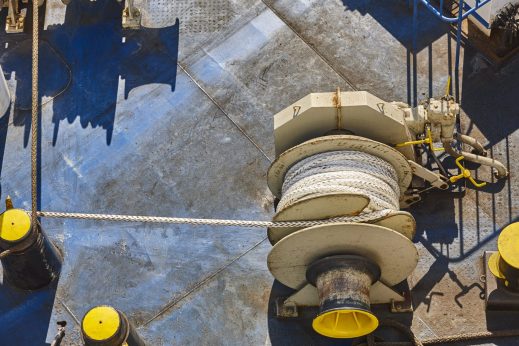
Cleaning wire ropes with a wire rope cleaning brush takes away dirt and old lubricant. This easy step is often done with a coil cleaning brush. It helps keep the rope safe to use. Cleaning often and using the right lubricant can make a wire rope last much longer. Industry studies say it can last over four times longer.
Key Takeaways
-
Clean wire ropes often to get rid of dirt and old lubricant. Doing this can make the rope last much longer, even four times more.
-
Pick the correct tools, like a spiral wire rope cleaning brush. This tool helps clean every part of the rope, even the small grooves.
-
Always put on safety gear, like gloves and eye protection. This keeps you safe from sharp wires and bits of dirt when you clean.
Why Clean Wire Ropes
Benefits of Cleaning
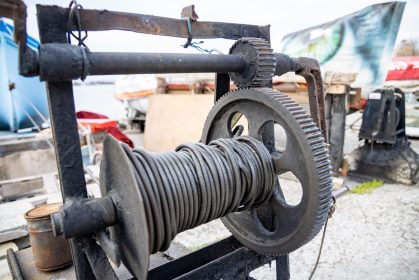
Wire ropes are used a lot every day. They can get dirty, greasy, or rusty on the outside. Using a wire rope cleaning brush helps keep them strong and safe. Cleaning takes away old lubricant and stops rust from spreading. It also helps people see small damage like tiny tears or cracks.
“Our research shows that the ‘running in’ phase is very important for making wire ropes last longer. If you take care of them, they last longer, save money, and help the environment by not needing to be replaced so soon.”
Cleaning and checking wire ropes often helps teams find problems early. This stops expensive delays and keeps work going well. Looking after wire ropes with cleaning and lubrication makes them last longer. Companies that care for their ropes are known for being safe and reliable.
If wire ropes are not cleaned or looked after, these risks can happen:
-
Accidents or deaths if equipment breaks
-
Hidden problems like rust or cracks
-
Losing money from stopping work or paying claims
-
People thinking the company does not care about safety
When to Clean
Wire ropes should be cleaned if they look dirty, greasy, or rusty. Teams need to check ropes before using them and after hard jobs. If they see any of these problems, they should clean the rope right away:
-
Markings you cannot read
-
Rope looks bent or out of shape
-
Fittings are worn or broken
-
Wires are snapped or cut
-
Rope has kinks
-
Core is sticking out
-
Rust or corrosion
-
Rope is burnt or has changed colour
-
Splices or ferrules have moved
-
Any problem you can see on the rope, thimbles, or fittings
Rules say ropes must be checked often. Teams should write down what they find, follow the maker’s advice, and ask experts for repairs. Cleaning wire ropes often keeps them safe from rust and damage, so every lift is safer.
Tools and Preparation for Wire Rope Cleaning Brush
Essential Tools
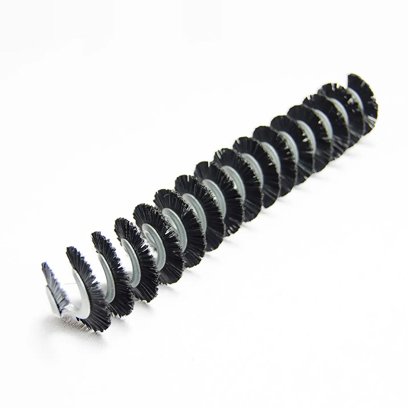
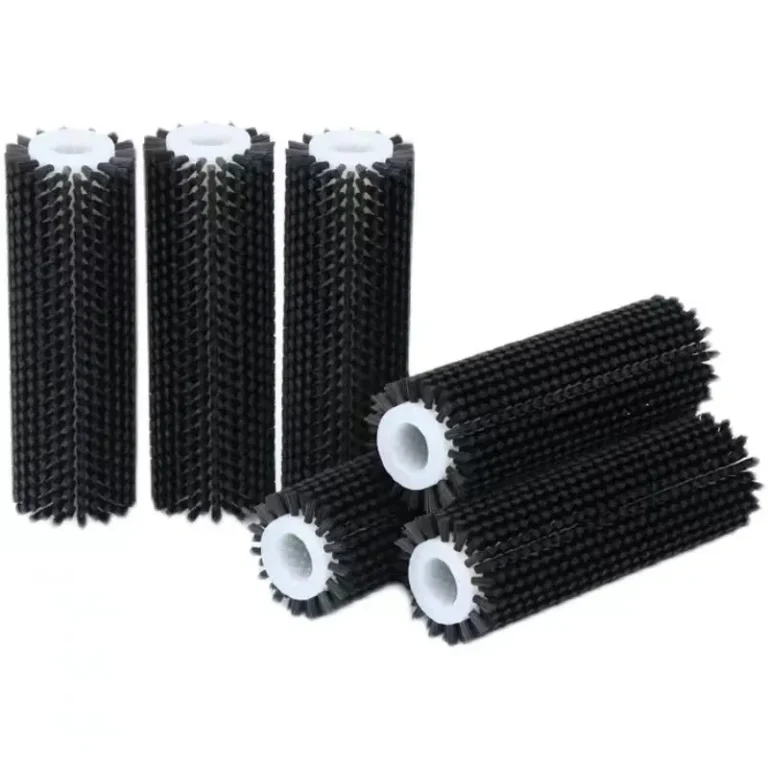
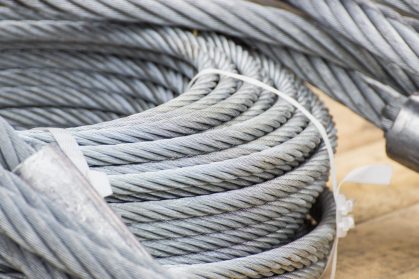
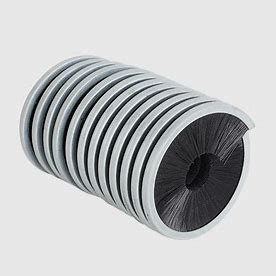
Get all the tools you need before you start. The main tool is the wire rope cleaning brush. Many teams pick a spiral wire rope cleaning brush because it works well. The spiral shape wraps around the rope and covers every side. This lets the brush clean all parts, even the grooves between strands. When the rope moves, the spiral brush follows its twists and turns. This helps take away dirt, rust, and old lubricant from deep inside.
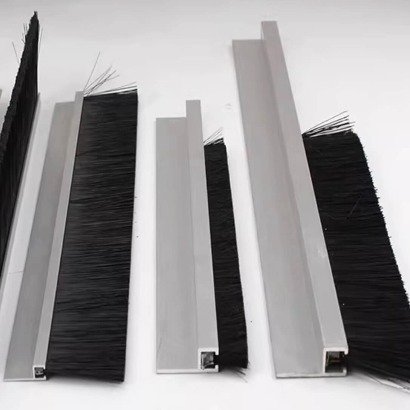
There are different wire brush bristles for different jobs:
-
Plastic bristles are good for light, loose dirt on the surface.
-
Wire bristles clean tough, stuck-on dirt with their scraping action.
-
In busy places, plastic bristles are safer as they do not break off.
-
How fast the brush spins changes how long it lasts. Wire bristles in side brushes last longer than those in centre brushes.
You also need other things:
-
Cleaning solution made for wire ropes
-
Wire brush attachment for drills if you need it
-
Clean rags or cloths
-
Wire rope lubricators to add new lubricant after cleaning
-
Gloves and eye protection
A good cleaning kit helps you get the rope ready quickly and well.
Safety Tips
Safety is very important when cleaning wire ropes. Always wear gloves to keep hands safe from sharp wires and dirt. Eye protection stops dust or small bits from getting in your eyes. Make sure the area is clear and bright. Look at the wire brush for damage before you use it. Do not hurry—take time to check the rope and tools.
Cleaning Steps with a Wire Rope Cleaning Brush
Inspect and Prepare
Every cleaning job starts with a good look at the wire rope. They check for signs of rust, broken wires, or damage on the surface. If they spot any problems, they make a note and decide if the rope needs repair or just cleaning. Before using a wire rope cleaning brush, they apply wire rope lubrication. This step helps the strands move freely and stops friction. It also keeps rust from forming inside the rope. Teams often use internal brush strip coils for deep cleaning. These coils reach into the valleys between the strands and remove dirt and grit. This makes it easier for new lubricant to flow in later.
Tip: Always wear gloves and eye protection before starting. Safety comes first.
Brush and Apply Solution
Now, they use the wire rope cleaning brush. The spiral design wraps around the rope and cleans every side. They move the brush along the rope, making sure to cover the whole surface. For tough jobs, they might use a drill attachment to spin the brush faster. This helps with rust removal and gets rid of old lubricant. If the rope has heavy rust or thick grime, they use a cleaning solution made for wire ropes. They apply the solution with the brush, working it into the grooves. This breaks down stubborn dirt and helps with rust removal. For marine ropes, a super stainless cleaner works well. It cleans the surface without much scrubbing.
Rinse, Dry, and Lubricate
After brushing, they rinse the rope to wash away all the cleaning solution and loosened dirt. Here’s a simple way to rinse and dry the rope:
-
Rinse the rope with very hot water to remove any detergent or cleaner.
-
Use a rope-specific cleaner if needed.
-
Run a long, cool wash (no hotter than 40°C).
-
Add a rope water-proofer if extra protection is needed.
-
Untangle the rope and let it air dry in a cool place, away from sunlight.
Once dry, they apply wire rope lubrication again. This keeps the rope flexible and stops rust from coming back. Regular lubrication also helps the rope last longer and work better.
Note: Always check the rope after cleaning. Look for any new signs of rust or damage on the surface.
Environment-Specific Tips
Wire ropes work in many places, from factories to ships. Each place needs a special cleaning touch.
-
In marine environments, salt and water cause rust quickly. Teams use super stainless cleaner for rust removal. High-pressure water jets or abrasive blasting can help with heavy build-up.
-
For ropes in dusty or dirty places, regular brushing and cleaning keep the surface clear.
-
Stainless steel ropes need cleaning to keep their shine and stop surface contamination. Galvanised ropes need extra care if the zinc layer is damaged. They might need a new coating to stop rust.
Here’s a quick look at cleaning for different rope types:
|
Wire Type |
Cleaning Procedure |
Maintenance Needs |
|---|---|---|
|
Stainless Steel |
Clean often to keep the surface bright and free from contamination. |
Needs less maintenance but still benefits from routine cleaning. |
|
Galvanised |
Re-coat if the zinc layer is damaged to keep rust away. |
Needs more checks and care to stay strong and rust-free. |
Teams always inspect ropes after cleaning. They keep records and follow the maker’s advice. If they see damage, they call a technician for repairs. Good cleaning and wire rope lubrication keep ropes safe and ready for work.
Cleaning wire ropes with a wire rope cleaning brush helps keep equipment safe and working well. Taking care of ropes often gives many good results:
-
Makes the rope last longer and saves money.
-
Stops too much rubbing and keeps the rope from wearing out.
-
Makes accidents less likely and helps everyone stay safe at work.
Teams that clean ropes a lot do not need as many repairs and their work goes more smoothly each day.
FAQ
1. Q: What’s the best way to pick a wire rope cleaning brush?
Choose the size and type of brush according to the diameter, material, and working conditions of the wire rope. Large diameter wire ropes need brushes with wide bristles; small diameter wire ropes need brushes with fine bristles. The material of the brush should be wear-resistant as well as corrosion-resistant if it is going to be used in a harsh environment.
Q: Is it necessary to use a cleaning agent when using a wire rope cleaning brush?
Specialized cleaning agents used in the process of cleaning wire ropes will make cleansing more effective, particularly when dealing with stubborn oil and stains, provided that the agent is as mild and non-corrosive to the wire rope and the cleaning brush. Rinse after application.
Can they use any cleaning solution on wire ropes?
No, they should use a cleaning solution made for wire ropes. This protects the metal and helps remove tough grime.