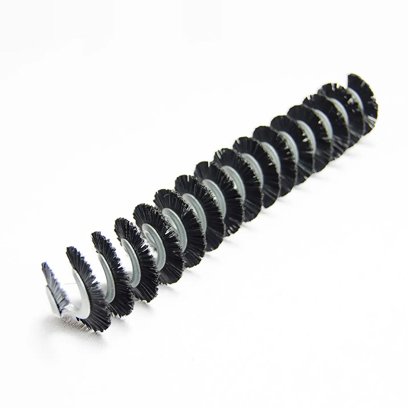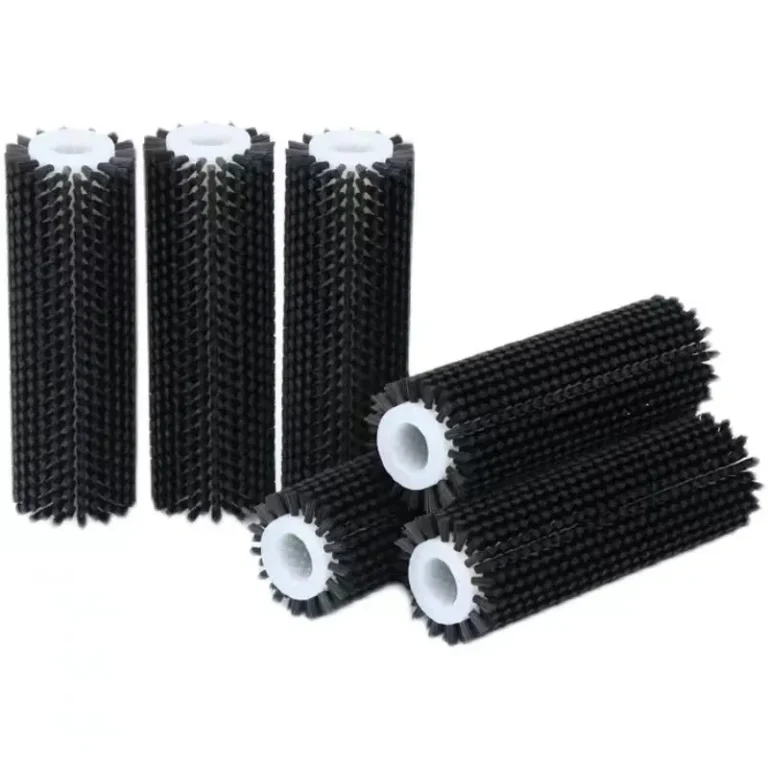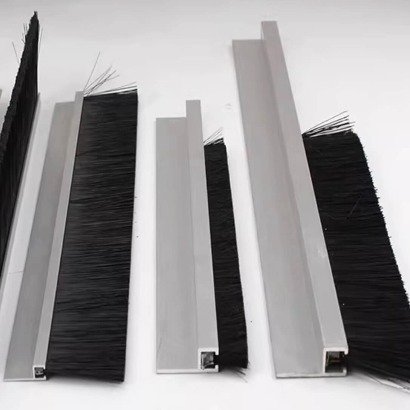
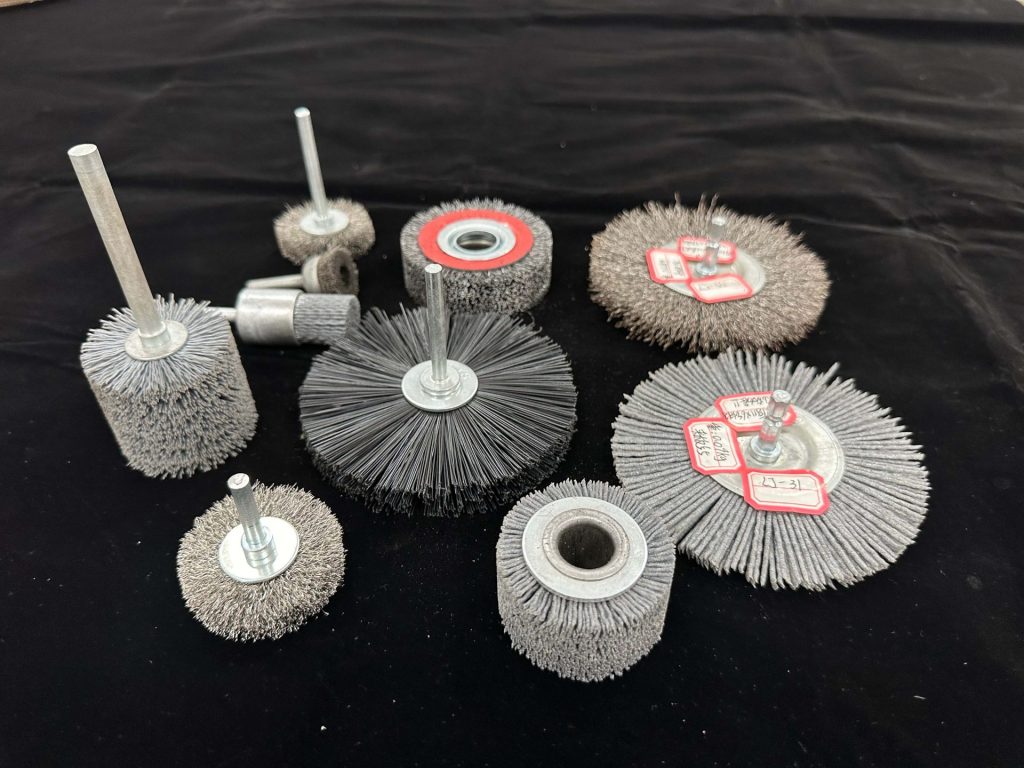
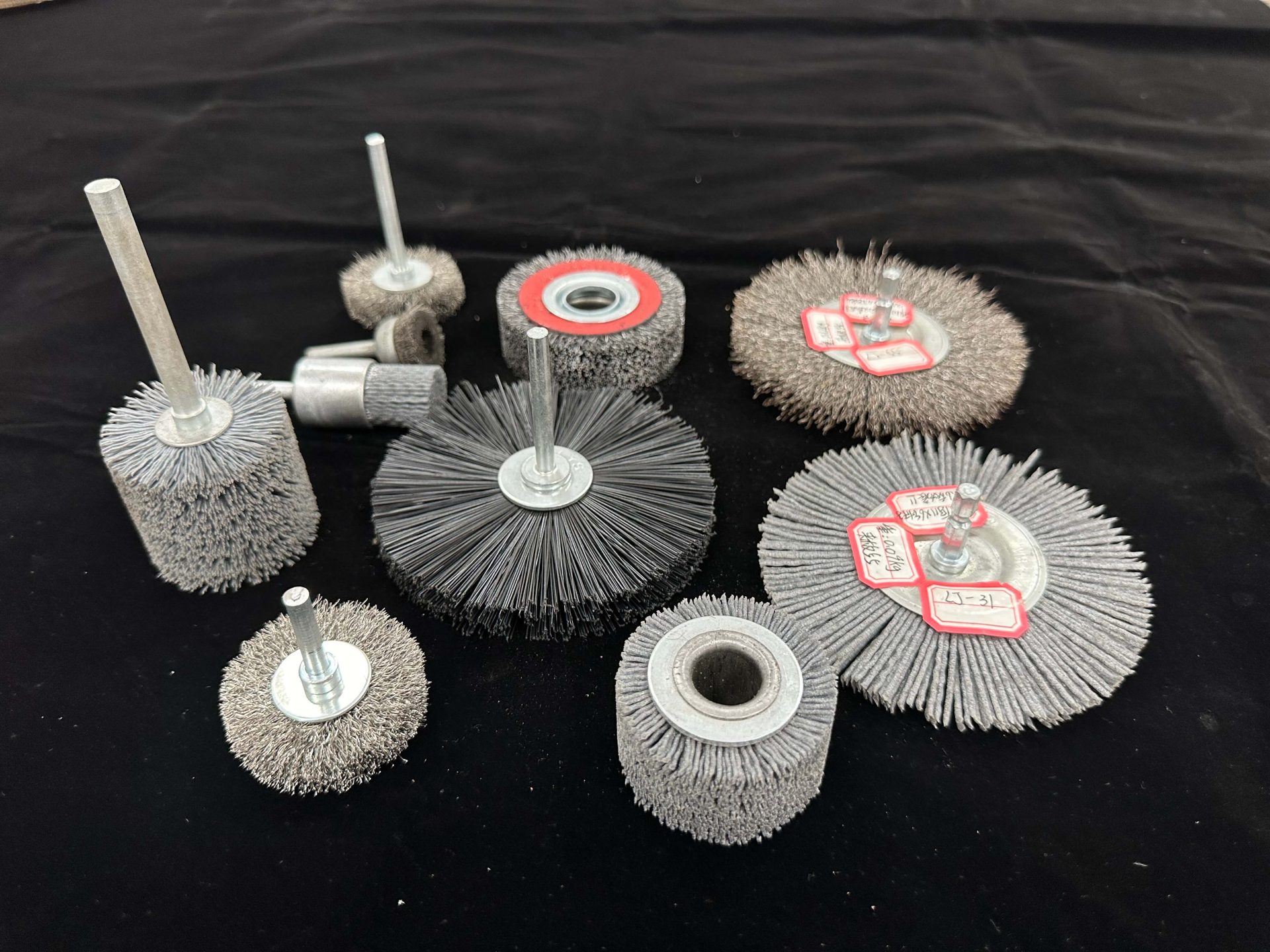
A grinder brush wheel gets rid of rust by spinning fast. The wire bristles scrub off the rust and make the metal cleaner. This way is easy to use and you can control it well. It works better than chemicals or sandblasting for most jobs. You do not need strong chemicals or expensive tools.
|
Rust Removal Method |
Efficiency Rating (out of 10) |
Notes |
|---|---|---|
|
Grinder Wire Brush Wheels |
7-8 |
Works well on most rust except the hardest, where it tends to polish rather than remove |
|
Chemical Rust Removers |
6-6.5 |
Effective mainly on lighter surface rust, less effective on heavy rust or pits |
|
Sandblasting (Media Blasting) |
8-9 |
Best for surface rust removal, superior results but costly and requires special equipment |
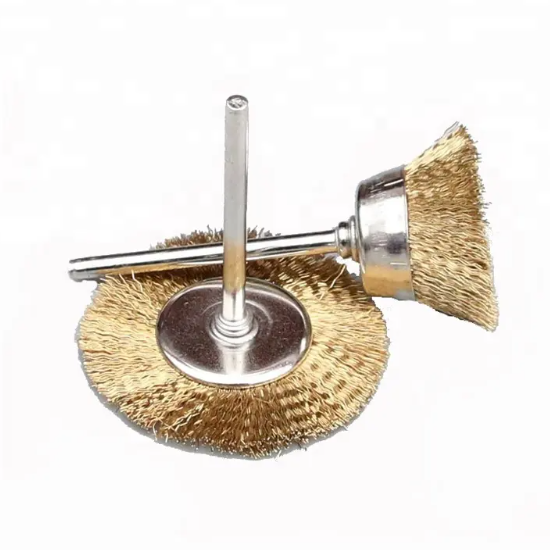
You can pick a brass wheel brush for softer metals. Use a stainless steel wheel brush for harder jobs. marshal sells a wire wheel for a grinder that meets industry rules. After you take off the rust, you should protect the metal. This stops rust from coming back.
Key Takeaways
-
A grinder brush wheel gets rid of rust fast. It spins wire bristles that scrub away rust. This shows the clean metal underneath.
-
Pick the right brush type and material for your metal. This helps you avoid damage and get the best results.
-
Always wear the right safety gear. Set up your workspace carefully to stay safe from debris and accidents.
-
Clean the metal surface before you start brushing. Check it after to make sure all the rust is gone and the metal is smooth.
-
After you remove the rust, polish and coat the metal. This protects it from rust in the future and keeps it looking nice for longer.
How Grinder Brush Wheel Works
Rust Removal Process
When you use a grinder brush wheel, you rely on a simple but powerful process. The wheel spins at high speed. The wire bristles on the wheel make direct contact with the rusty metal. As you move the tool over the surface, the bristles scrape and grind away the rust. This action exposes the clean metal underneath. You do not need to wait for chemicals to work. You see results as you go. The high-speed rotation increases the impact of each bristle, making rust removal quick and efficient. You can use this method on large areas or stubborn rust patches. If you choose a grinder brush wheel from marshal, you get a tool designed for both speed and reliability.
Wire Bristle Action
The wire bristles on a grinder brush wheel play a key role in cleaning. These bristles are stiff and aggressive. They break up and lift away rust, paint, and other debris. The bristles do not bend much, so they work best on flat or simple surfaces. If you use the right pressure and brush type, you avoid damaging the metal. Too much force or the wrong brush can scratch softer metals. For heavy-duty jobs, twisted or knotted wire bristles give you more cleaning power. You should always match the brush to your task. marshal offers a range of wire brush wheels, so you can pick the best one for your needs.
|
Aspect |
Wire Bristles Characteristics |
Impact on Metal During Rust Removal |
|---|---|---|
|
Flexibility |
Limited flexibility; stiff metal bristles |
Do not conform well to delicate or intricate surfaces |
|
Resilience |
Low resilience; prone to bending or breaking with wear |
Can cause scratching, gouging, or surface damage if misused |
|
Cleaning Effectiveness |
Aggressive and efficient for heavy-duty cleaning |
Effective at rust removal but riskier for softer metals |
|
Damage Potential |
High due to stiffness and aggressiveness |
Can scratch or mar softer or delicate metal surfaces |
|
Comparison to Nylon |
Less flexible and more aggressive than nylon bristles |
Nylon brushes are gentler but less effective for heavy rust removal |
Tip: Always test your grinder brush wheel on a small area first. This helps you check if the bristles are too harsh for your metal.
Benefits Over Other Methods
You have many ways to remove rust, but a grinder brush wheel stands out for speed and control. Chemical rust removers need time to work and can be messy. They often require you to handle hazardous substances and wait before rinsing. Sandblasting gives a very clean finish, but it needs special equipment and can damage thin metal. Grinder brush wheels work faster than sanding and do not need chemicals. You can use them on thick metal, pipes, or tools. They are cost-effective and easy to use for most home and workshop projects. You only need to manage dust and debris, not chemical waste. This makes the grinder brush wheel a safer and more environmentally friendly choice for many jobs. marshal supplies high-quality wire brush wheels that help you get the job done quickly and safely.
Choosing a Grinder Brush Wheel
Types and Materials
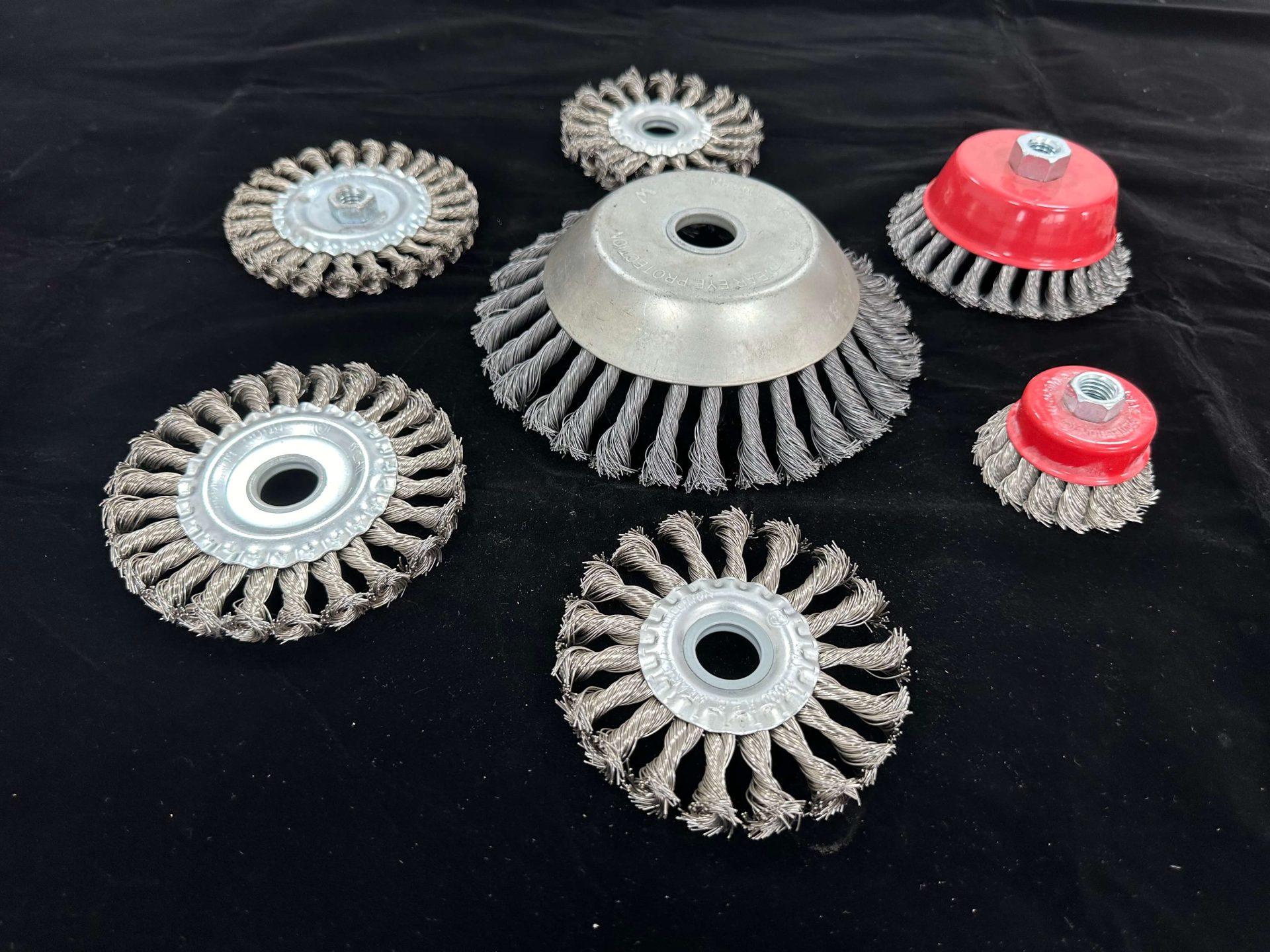
You can find several types of grinder brush wheels for rust removal. The most common types include cup brushes, wheel brushes, and wire brushes. Each type suits different tasks. Cup brushes work well on large, flat surfaces. Wheel brushes reach into grooves and corners. Wire brushes come in twisted knot, knotted, or crimped designs. These designs affect how aggressive the brush is.
The material of the brush matters. Stainless steel wire brushes resist corrosion and last longer. You can use them on both ferrous and non-ferrous metals. They help prevent contamination and after-rust. Brass brushes are softer and more flexible. They clean delicate surfaces without scratching. Carbon steel brushes are strong and work best on hard metals.
|
Brush Type |
Material |
Best Use Case |
|---|---|---|
|
Cup Brush |
Steel, Stainless |
Large, flat surfaces |
|
Wheel Brush |
Steel, Brass |
Grooves, corners, detailed cleaning |
|
Wire Brush |
Stainless, Brass |
General rust removal, delicate or hard metals |
Tip: Choose stainless steel for tough jobs and brass for gentle cleaning.
Selecting the Right Size
You should pick the right size for your grinder brush wheel. Large wheels cover more area and save time on big surfaces. Small wheels fit into tight spaces and corners. Always check the maximum safe RPM for your grinder and the brush. The brush must match or exceed your tool’s speed for safety.
|
Factor |
What to Consider |
|---|---|
|
Area Size |
Large wheels for big areas, small for tight spots |
|
Tool Compatibility |
Match brush RPM to grinder’s speed |
|
Wire Thickness |
Thicker wires for tough rust, thinner for detail |
Matching to Your Project
You need to match the brush type to your project. Use a grinding disc for heavy rust on flat surfaces. Choose a wire brush wheel for cleaning grooves or detailed areas. Flap discs help finish and smooth the metal after rust removal. Picking the right attachment improves cleaning quality and protects the metal.
-
Wire wheel brushes clean rust, paint, and welding slag from hard-to-reach spots.
-
Grinding wheels remove thick rust quickly from flat or complex surfaces.
-
Flap discs give a smooth finish after cleaning.
marshal offers many options, including custom sizes and materials. You can find the perfect grinder brush wheel for any job, whether you work in a factory or at home.
Preparation Steps
Surface Cleaning
Before you start using a grinder brush wheel, you must clean the metal surface. Remove any loose dirt, grease, or oil with a cloth or mild detergent. This step helps the wire bristles work better and last longer. If you skip cleaning, dirt can clog the brush and reduce its effectiveness. For delicate metals, choose a brass or copper wire brush. These softer brushes help you avoid scratching or damaging the base metal. Always use gentle pressure when brushing. Too much force can harm the surface, especially on softer metals.
|
Step/Consideration |
Description |
|---|---|
|
Use softer wire brushes |
Brass or copper brushes are best for delicate surfaces. |
|
Clean before brushing |
Remove dirt and grease to improve rust removal. |
|
Gentle brushing |
Glide the wire wheel lightly to protect the metal. |
|
Hand brushes for tight spots |
Use small hand brushes for corners or detailed areas. |
Tip: Work outdoors or in a well-ventilated area. Brushing creates dust that you should not breathe in.
Workspace Setup
Set up your workspace to keep yourself safe and make the job easier. Stand to the side of the grinder, not directly in line with the wheel. This position protects you from flying debris. Make sure your area has good ventilation and bright lighting. Wear gloves, goggles, ear plugs, and a dust mask. Avoid loose clothing or jewellery that could get caught in the tool. Always use the correct brush for your grinder and keep the safety guard in place.
-
Stand to the side of the wheel.
-
Ensure good ventilation and lighting.
-
Wear proper safety gear.
-
Keep the safety guard attached.
-
Secure loose items and tie back long hair.
Inspecting for Damage
Check your grinder brush wheel and grinder before you begin. Look for cracks, bent wires, or other damage on the brush. Inspect the grinder for loose parts or missing guards. Secure your workpiece so it does not move while you work. Hold the grinder with both hands for better control. If you find any damage, replace the part before starting. This step keeps you safe and helps your tools last longer.
Note: Always disconnect the power before changing wheels or making adjustments. Safety comes first every time you use your grinder brush wheel.
Grinder Brush Wheel Safety
Essential Safety Gear
You must wear the right safety gear before you start using a grinder brush wheel. This gear protects you from flying debris, sparks, and sharp wire bristles. Always put on eye and face protection, such as safety goggles and a face shield. Gloves keep your hands safe from cuts and burns. Wear a sturdy apron and safety shoes to protect your body and feet. If you work in a dusty area, use a respirator approved by safety authorities. Keep the grinder’s guard in place at all times. This guard acts as a barrier between you and the spinning wheel.
Here is a checklist for your safety gear:
-
Eye and face protection (goggles and face shield)
-
Heavy-duty gloves
-
Apron and safety shoes
-
Respirator or dust mask (if needed)
-
Grinder guard fitted correctly
Tip: Always check your wire brush for damage or wear before each use. Replace it if you see broken wires or rust.
Proper Attachment
You need to attach the brush wheel to your grinder securely. Start by disconnecting the grinder from the power source. Lock the spindle using the wheel lock button. Remove the locking nut and keep it safe. Press the inner hole of the wire brush onto the spindle firmly. Hold the headlock and tighten the anti-wire cover with a wrench. After you finish, reconnect the power and run the grinder for a few seconds. Watch for any wobbling or strange vibrations.
Follow these steps every time:
-
Disconnect the power.
-
Lock the spindle.
-
Remove and keep the locking nut.
-
Fit the brush wheel firmly.
-
Tighten the cover securely.
-
Test the grinder for smooth running.
Safe Operation
You must stay alert when using a grinder brush wheel. Kickback can happen if the wheel grabs or gets stuck. This can cause you to lose control. Always use the correct wheel for your grinder and material. Keep your hands away from the spinning brush. Avoid loose clothing, jewellery, or long hair, as these can get caught in the wheel. Sparks from the grinder can start fires, so keep flammable items away. Inspect your tools and cables often to prevent electric shock.
Common risks include:
-
Kickback causing loss of control
-
Flying wire bristles or debris
-
Entanglement of clothing or hair
-
Fire hazards from sparks
-
Electric shock from damaged cables
Note: If you ever feel unsafe or distracted, stop working right away. Respect the power of your tools and always follow safety rules.
Aftercare and Rust Prevention
Surface Inspection
After you finish removing rust, always inspect the metal surface closely. Look for any missed spots or signs of pitting. Run your hand gently over the area to feel for rough patches. If you see any remaining rust, use your grinder brush wheel again on those spots. Make sure the surface feels smooth and clean before you move on. A careful inspection helps you catch problems early and ensures the metal is ready for the next steps.
Tip: Use a torch or bright lamp to check for hidden rust in corners or grooves.
Polishing and Coating
Polishing and coating protect your metal from future rust. You should follow these steps for the best results:
-
Wipe the metal with a damp cloth to remove dust and debris. Dry it completely.
-
Use a soft cloth and a metal polish or buffing compound. Rub the surface to restore shine and smoothness.
-
Apply a protective coating:
-
Lightly coat the metal with machine oil or a spray like WD-40. This creates a barrier against moisture.
-
For longer-lasting protection, use a rust inhibitor spray or a wax coating.
-
A polished and coated surface resists rust much better. You also improve the look and feel of your metal.
|
Step |
Purpose |
|---|---|
|
Clean and dry |
Removes dust and moisture |
|
Polish |
Restores shine and smoothness |
|
Coat |
Prevents new rust from forming |
Maintenance Tips
Proper care keeps your grinder brush wheel and treated metal in top shape. You should:
-
Avoid pressing too hard on the brush wheel. Gentle pressure prevents wire breakage and keeps the bristles sharp.
-
Run your grinder at the highest safe speed. This improves cleaning and extends the tool’s life.
-
Every few uses, remove the brush wheel, flip it 180 degrees, and reinstall it. This helps the bristles wear evenly.
-
Lubricate moving parts, such as bearings, with a few drops of machine oil every few months. Do not over-lubricate, as this can attract dust.
-
Check and tighten all nuts, bolts, and screws on your grinder regularly.
-
Dress your grinding wheels with a diamond dresser or dressing stick to keep them sharp.
Note: Using high-quality, heat-treated steel wire brushes from trusted brands like marshal gives you better durability and cleaning action. This means you spend less time replacing tools and more time getting results.
You can remove rust quickly and safely with a grinder brush wheel. This tool cleans metal surfaces well and helps you avoid damage. When you follow each step—selecting the right brush, using proper safety gear, and caring for your tools—you get the best results. Choosing a high-quality brush from marshal means you spend less time on maintenance and enjoy longer-lasting performance.
Remember: Aftercare, like polishing and coating, keeps your metal rust-free for longer.
FAQ
How do I know when it’s time to replace my wire wheel?
Replace the wheel when the wires are worn down to about 1/2 inch from the hub, or if the brush becomes severely unbalanced. A worn brush requires more pressure and increases the risk of wire breakage and injury.
Can you use a grinder brush wheel on painted surfaces?
You can use a grinder brush wheel to remove paint. Test on a small area first. Some brushes may scratch soft metals. Always choose the right bristle type for your project.
Why is my grinder brush wheel losing wires so quickly?
This is often caused by applying too much pressure. The cleaning action comes from the wire tips. If you press too hard, the wires flex and fatigue at the base, causing them to snap off. Let the tool’s speed do the work.
Does a grinder brush wheel work on all metals?
A grinder brush wheel works on most metals, including steel, iron, and aluminium. Use brass brushes for softer metals to avoid scratches. Always check the metal type before starting.