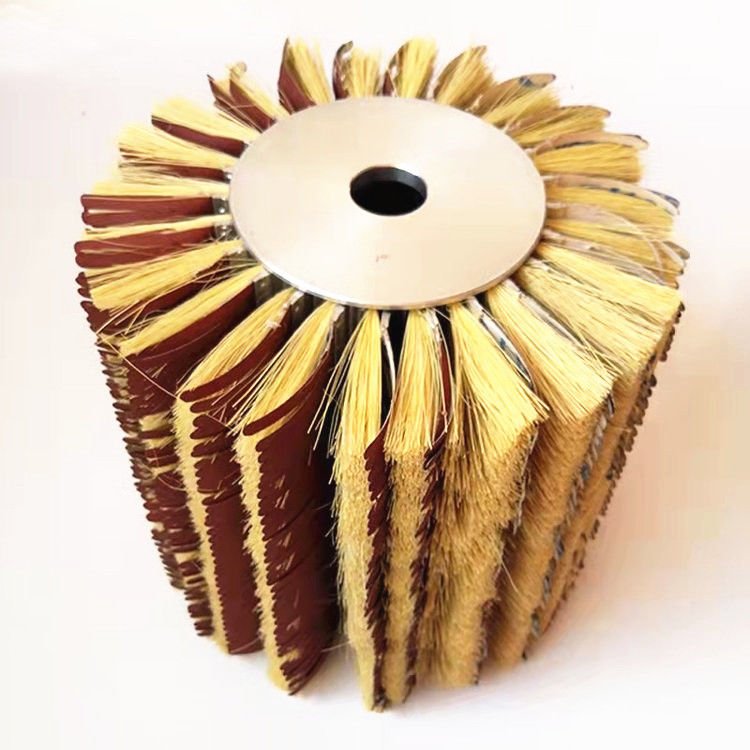
A sandpaper brush is useful for sanding jobs in woodwork, metalwork, and making furniture. People use a sandpaper brush to make rough surfaces smooth. It also helps to take off rust and clean edges. Many people pick the sisal sandpaper brush roller for fine polishing. It is also good for deburring and cleaning. Grit size is important in sanding. Different brushes give different sanding results. People often use sandpaper to get wood ready for painting.
-
Sanding helps surfaces look and feel neat.
-
Picking the right sandpaper brush changes how sanding goes.
Key Takeaways
-
Picking the correct sandpaper brush and grit size is important for smooth surfaces. Coarse grit takes off material fast. Fine grit makes the surface shiny and smooth.
-
Cleaning and looking after sandpaper brushes helps them last longer and work better. Always tap off dust and keep brushes in a dry place.
-
Safety matters a lot when sanding. Always wear a dust mask and goggles. Make sure there is good airflow to stay safe from dust and bits.
Sandpaper Brush Types and Grits
Materials and Designs
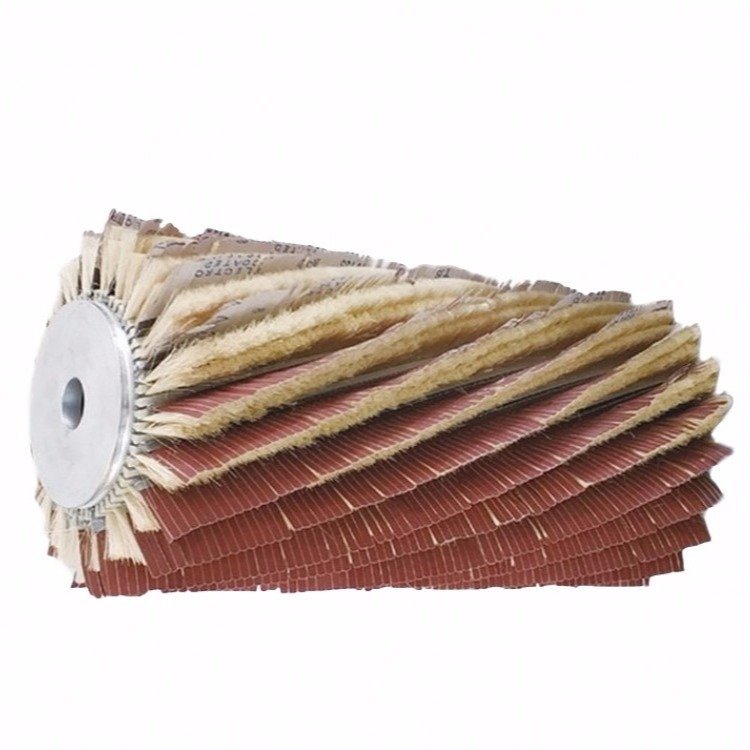
There are many sandpaper brushes in workshops. Each one uses a different abrasive material. Some brushes have aluminium oxide. Others use silicon carbide. These materials help with sanding and polishing. The shape of the brush changes how you use it. Some brushes are flat. Others are round or rollers. New designs have adjustable brush holders and quick disconnect terminals. These features make sanding easier. They also help the brush work better. Many brushes now use aerospace-grade copper graphite. This material lasts longer. It also makes less friction when sanding. Makers try to recycle abrasives and cut down on waste. They use less energy and save water when making brushes.
|
Feature |
Description |
|---|---|
|
Adjustable Brush Holders |
Holders move for better contact and more stability when sanding. |
|
Material |
Aerospace-grade copper graphite lasts longer and lowers friction. |
|
Low Friction Film |
Special coating makes less dust and helps the brush last longer. |
|
Quick Disconnect |
Makes it easy to change or fix the abrasive parts. |
|
Cost Efficiency |
New systems save money and reduce time lost during sanding. |
Grit Sizes Explained
Sandpaper grit shows how rough or smooth it is. Coarse grit takes off material fast. Fine grit makes the surface smooth. People pick the sandpaper grade for the job. Lower numbers mean rougher grit. Higher numbers mean finer grit. The right grit helps at each step of sanding. People use different sandpaper for shaping and for polishing.
Sisal Sandpaper Brushes
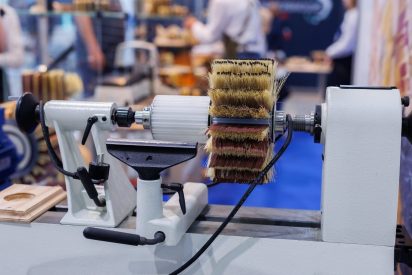
A sisal sandpaper brush roller has sisal fibre and sandpaper flaps. This design works for many jobs. People use it for grinding and taking off rust. It is also good for fine polishing. It helps with deburring and cleaning metal, wood, and furniture. The sisal sandpaper brush roller can make different textures and shine. Many industries use this brush for shiny and smooth finishes. The mix of sisal and abrasive makes it strong and bendy for many uses.
Choosing the Right Sandpaper Brush
Matching Brush to Material
Selecting the best sandpaper brush starts with knowing the material. Wood and metal need different sanding approaches. For instance, a wooden table requires a smooth finish, while metal pipes might need rust removal. Effective processing requires the right sanding tools for the job. The sisal sandpaper roller brush works well for both wood and metal. Its mix of sisal fibre and abrasive sandpaper flaps helps with grinding, rust removal, and fine polishing. This tool also cleans and deburrs surfaces, making it a favourite in furniture making and metalwork.
When choosing the right sandpaper brush, consider these factors:
-
The type of material being sanded (wood or metal).
-
Grit size of the sandpaper (coarse for heavy-duty sanding, fine for smooth finishes).
-
Desired finish (smooth or rustic).
-
Method of sanding (by hand or with a power sander).
A sisal sandpaper brush roller gives a high-gloss surface or a textured look, depending on the project. It can be used for industrial tasks or home DIY. This makes it easy to switch between cleaning and polishing with one tool.
Choosing the Right Sandpaper Grit
Grit size matters in sanding. Numbers like 40, 80, or 320 appear on sandpaper packs. Lower numbers mean rougher grit. Higher numbers mean finer grit. The hardness of the material changes the grit choice. Hardwoods like oak need coarser grit for tough sanding. Softer woods such as pine need finer grit for gentle sanding. Heavily worn floors also benefit from coarser grit.
Here’s a simple table to help with grit selection for wood:
|
Wood Type |
Recommended Grit |
Reason |
|---|---|---|
|
Hardwoods |
Coarser Grit |
Requires aggressive sanding to remove finishes and imperfections |
|
Softer Woods |
Finer Grit |
Less aggressive sanding needed due to softer material |
|
Heavily Worn Floors |
Coarser Grit |
Necessary for adequate surface preparation before finishing |
For metal, the process changes. Rough sanding starts with 80 to 150 grit sandpaper. Finer grits over 320 are used for polishing. Coarse grit, like 40 or 60 helps with heavy-duty sanding. Medium grit, like 120 suits final sanding before painting or finishing.
Tip: Always test a small area first. This helps avoid scratches or unwanted marks.
Selection Examples
Let’s look at some project examples. To refinish an old wooden chair, a sisal sandpaper brush roller with medium grit is chosen for the first round of sanding. When polishing a metal railing, the process starts with coarse sandpaper and finishes with a fine grit for a shiny look. Sanding tools like rollers are used for large surfaces and hand brushes for corners.
-
For wood furniture: Start with coarse sandpaper for shaping. Move to fine grit for a smooth finish.
-
For metal pipes: Use coarse grit to remove rust. Switch to fine grit for polishing.
-
For painted surfaces: Medium grit helps remove old paint. Fine grit prepares the surface for new paint.
Choosing the right sandpaper brushes make sanding easier and faster. Matching the brush and grit to the material saves time. A professional result is achieved with less effort. Sanding tools like the sisal sandpaper brush roller work for many tasks, from grinding to polishing.
Note: Clean your sandpaper brush after each use. This keeps sanding tools working well and helps them last longer.
Using and Maintaining Sandpaper Brushes
Usage Techniques
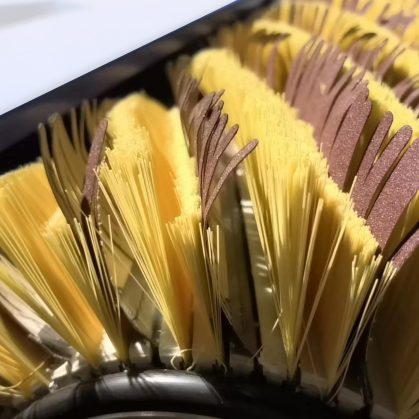
Wood or metal should look smooth. Rust removal or fixing up a table might be necessary. Good results are achieved with the right sanding method. For most sanding, the process starts by hand with a sisal sandpaper brush roller. This tool has sisal fibre and sandpaper flaps. It works well for smoothing rough spots, taking off old finishes, and polishing wood. Corners and curved edges are sanded by hand. Machine sanding helps with big flat areas.
For tricky shapes, sandpaper can be wrapped around a block or used with flexible pads. Following these steps ensures a neat finish: Sand between coats to fix mistakes and make the surface even. Use fine-grit sandpaper and press lightly in circles or back and forth. Wipe off dust with a dry cloth after sanding. For curved surfaces, follow the shape and press evenly. Change from coarse to fine grit to polish wood or metal.
Cleaning and Care
Sandpaper brushes should be kept clean after every use. Tapping the brush gently gets rid of dust and bits.
For tough dirt, a stiff brush or air is used. Sandpaper brushes are stored in a dry place to stop water damage. Cleaning often helps sanding tools last longer and work well. If a sandpaper brush gets worn out, the sandpaper flaps can be swapped, but the handle is kept. This saves money and cuts down on waste.
Safety Tips
Safety is always the most important thing when sanding. A dust mask and goggles should be worn to keep dust and bits away. Ensuring the room has fresh air is essential, especially when sanding or taking off old finishes. Metal pieces should be clamped tightly before removing rust or polishing. The table below shows common injuries and ways to stop them:
|
Symptoms |
Solutions |
|---|---|
|
Splinters |
Wear gloves, keep the area tidy, use dust masks |
|
Inhaled dust |
Use dust masks, let air in, clean up often |
|
Mystery injuries mid-process |
Stay alert, wear safety gear, tidy workspace |
Tip: Always look at your sandpaper brush before sanding. Change old parts to stop accidents and keep sanding safe.
Choosing the right sandpaper brush and grit makes sanding easier and gives a smooth finish. The sisal sandpaper brush roller helps with sanding wood, metal, and furniture. Sanding in steps, checking the surface, and cleaning between grits leads to professional results. This makes sanding simple and rewarding.
Sandpaper brush knowledge boosts DIY success. Sanding with care saves time and avoids problems.
FAQ
1. How long does a sisal sandpaper brush roller typically last?
The lifespan depends on the intensity of use and the material being sanded. However, because the sisal sandpaper brush roller is designed with replaceable sandpaper flaps, the core unit can last for years. Regularly cleaning the bristles and storing the brush in a dry place will maximize its durability.
2. Can I use the same sandpaper brush for both wood and metal?
While the design of a sisal sandpaper brush is compatible with both materials, it is best practice to use separate brushes (or separate sets of flaps) for wood and metal. Metal particles can become trapped in the bristles and cause deep scratches if the same brush is later used on a softer wood surface.
3. What is the advantage of a sisal-flap combination over a standard sanding block?
The sisal sandpaper brush is flexible. Unlike a rigid sanding block, the sisal fibers allow the sandpaper flaps to “conform” to curved surfaces, grooves, and intricate carvings. This provides 360-degree contact, making it much more efficient for furniture with complex details or cylindrical metal parts.