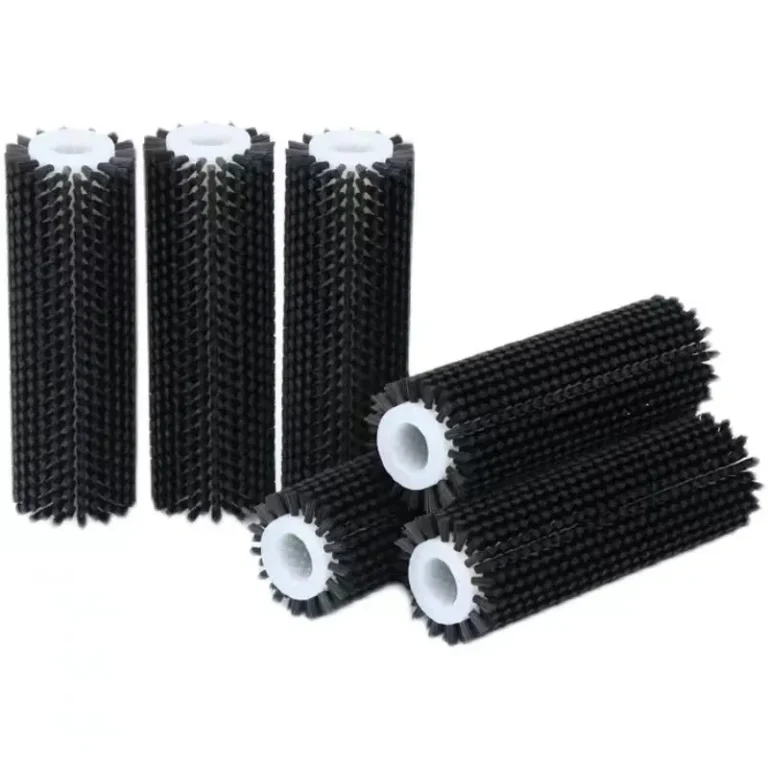
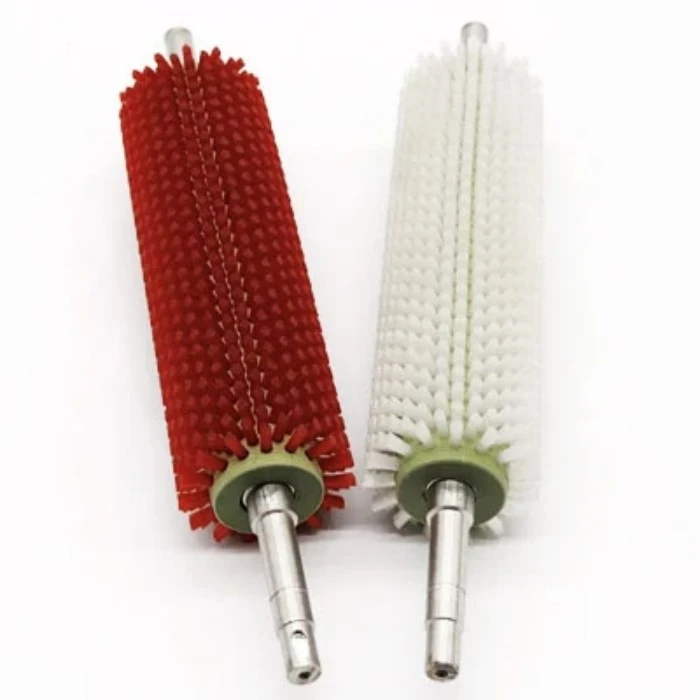
Today’s advanced industrial automation systems utilize Cylinder Rotary Brushes for important processes including surface preparation, material transport, and contamination prevention. Although such functions can use standard cleaning tools, high-volume production lines require additional planning to meet their unique needs. Custom Cylinder Rotary Brushes are not tips; rather, they are specifically made tools that are part of a fully engineered solution. The goal of this is to have a properly sized and designed tool integrated into various types of sophisticated equipment that will increase productivity, decrease waste caused by unnecessary downtime, and achieve specific manufacturing objectives.
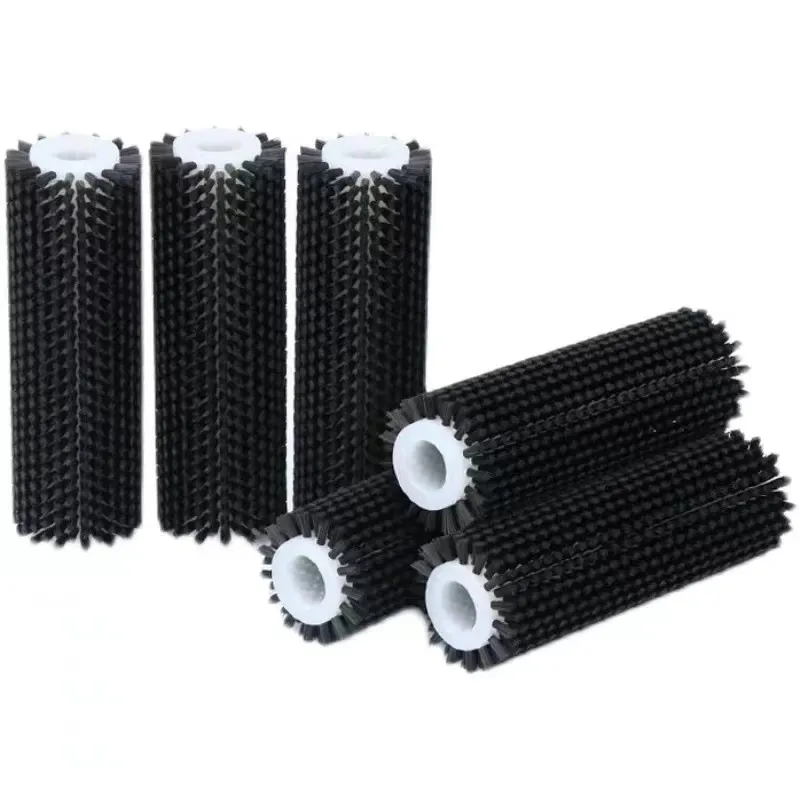
The Engineering Core of a Cylinder Rotary Brush
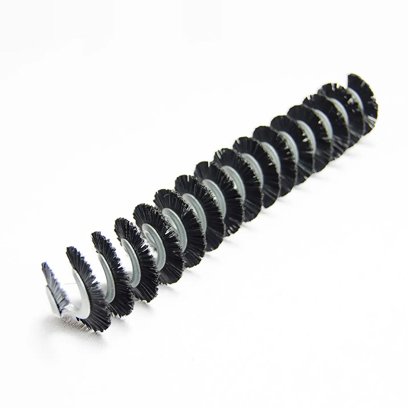
The first step to establishing a roller brush’s mechanical value is determining how the brush is constructed. Each of these industrial applications has unique loads caused by various forces (such as centrifugal forces due to high RPMs), and the environmental conditions that exist during your application process (such as the chemical exposure that occurs during a sanitation cycle). Engineers try to find the balance between performance and longevity by looking at the core material, how densely the filaments are packed together, and what interface will be used to mount the roller brush.
A properly made rotary brush should have a consistent amount of pressure from the first to the last inch of the brush. It’s crucial for cleaning and surface preparation in wide-scale equipment where even a minor variation in the core of the rotary brush may cause uneven cleaning/surfacing of the material. Designers should refer to a rotary brush materials and construction guide to help them choose synthetic and/or natural fiber(s) based on the environmental conditions that will provide high temperature resistance, as well as FDA-compliant materials for use in food processing/handling applications.
Specialized Brushing Solutions Across Key Industries
Each industry has its own set of challenges, and there is no one-size-fits-all solution for mechanical issues. Cylinder Rotary Brushes are effective in providing a specific “solution” to a mechanical problem, and below are some of the more popular applications where custom brushing configurations are needed.
Solar Photovoltaic Cleaning Solutions
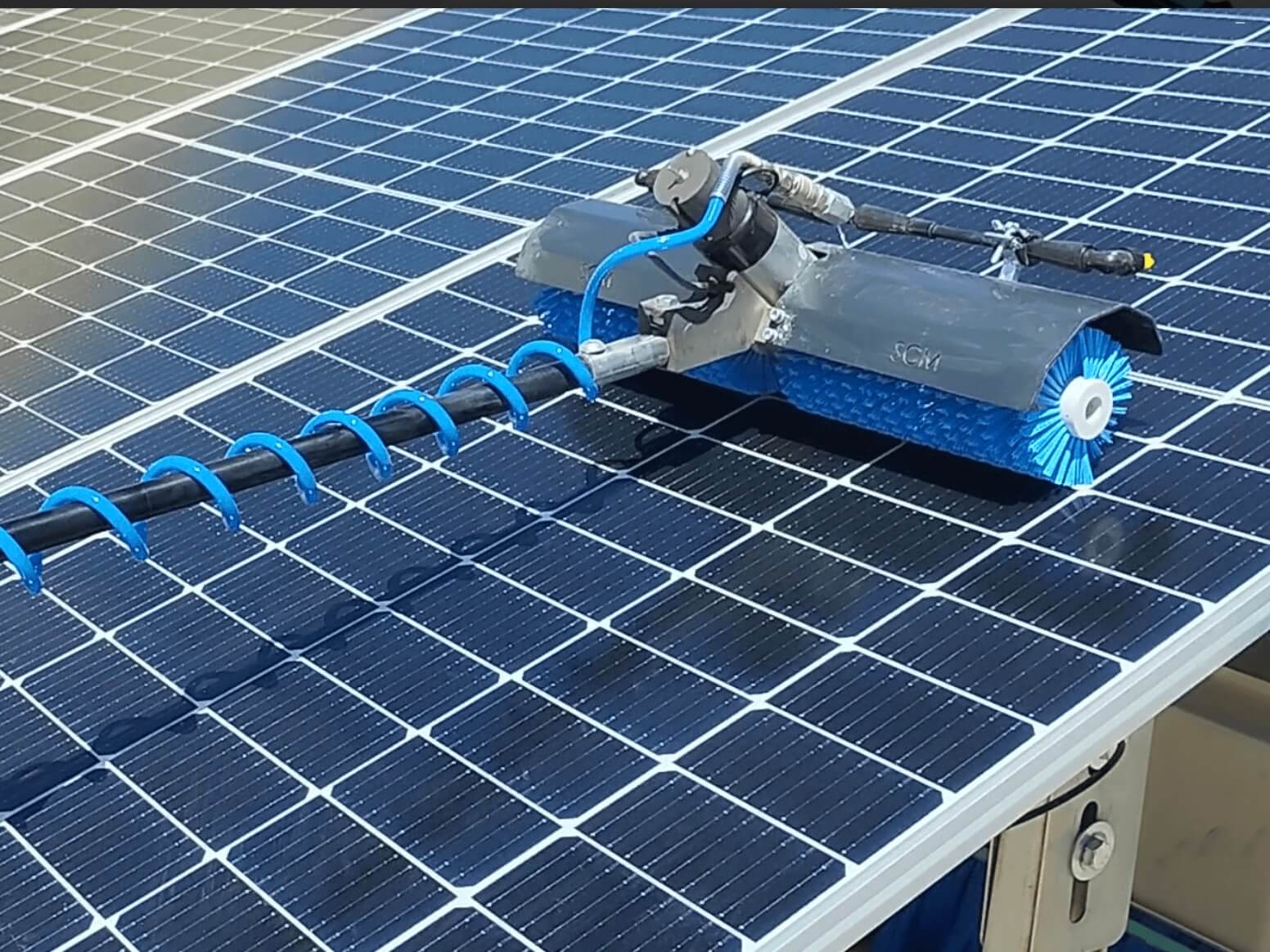
Solar energy efficiency relies heavily on the cleanliness of the panel surfaces. Dust, bird droppings, and environmental pollutants can significantly reduce energy output.
- The Challenge: Cleaning large-scale solar arrays without scratching the delicate anti-reflective coatings.
- The Solution: A specialized solar panel cleaning brush utilizing ultra-soft, UV-stabilized nylon filaments. These brushes are often designed with a hollow core for internal water delivery, allowing for a simultaneous “scrub and rinse” action that maximizes light absorption without damaging the panels.
Agriculture and Forestry Processing
In agriculture, brushes are used for sorting, cleaning, and polishing produce.
- The Challenge: Removing soil and pesticides from soft-skinned fruits (like apples or peaches) without bruising the product.
- The Solution: A Custom Cylinder Rotary Brush featuring a staggered tuft pattern. This design allows the produce to move smoothly along the conveyor while the soft natural hair or food-grade synthetic bristles gently remove debris. The staggered pattern also prevents the buildup of organic waste within the brush itself, maintaining hygiene standards.
Metal Processing and Grinding
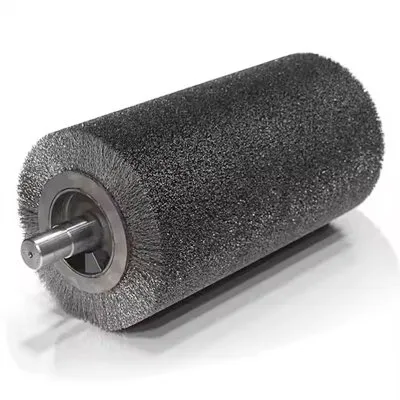
The metal industry requires aggressive action for deburring and surface preparation.
- The Challenge: Removing sharp burrs or rust from metal sheets at high speeds.
- The Solution: An abrasive roller brush made of rotary motion and impregnated with silicon carbide or ceramic grit is the Solution. These brushes are essentially a flexible grinding tool utilized to create a consistent, uniform matte or brushed finish on a metal part, while being able to get into the contours or holes of a part where rigid grinding wheels typically cannot reach.
Technical Specification Table: Matching Brush to Application
To help procurement teams identify the correct solution, the following table summarizes how specific brush features align with industrial needs:
| Industry | Primary Function | Filament Material | Core Type |
| Automotive | Part Deburring / Cleaning | Abrasive Nylon / Wire | Heavy-duty Steel |
| Pharmaceutical | Dust Removal / Sealing | Fine Nylon / Natural Hair | Stainless Steel (316L) |
| Beverage | Labeling / Bottle Cleaning | Medium Nylon | High-Density Plastic |
| Agriculture | Fruit Polishing / Sorting | Soft Synthetic / Horsehair | Lightweight PVC |
| Solar Energy | Panel Maintenance | Soft UV-Stabilized Nylon | Aluminum (Water-fed) |
Key Industrial Applications of Cylinder Brushes
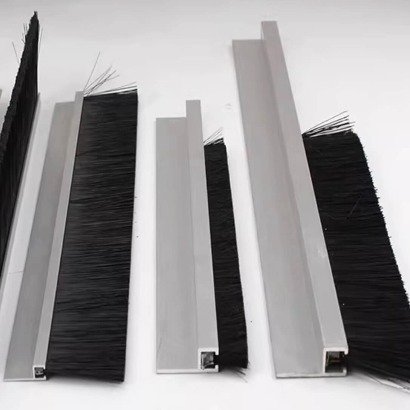
Study the brush cylinder definition and its industrial uses. This helps you make a better choice. Do not just replace a worn part. You must optimize your brush configuration for the specific task. For example, pharmaceutical packaging lines often use flexible brushes. These tools provide sealing and noise reduction. The brush acts as a flexible barrier. It absorbs vibration. It also protects fragile glass containers from hitting each other.
- Sliding and Friction Control: Brushes can be used to facilitate the smooth movement of goods across a production line, acting as a low-friction “cushion.”
- Conveyor Cleaning: Continuous-loop conveyors often require an underside roller brush to remove carryback, preventing debris from falling into the machinery’s drive system.
- Sealing Solutions: In automotive spray booths, cylinder brushes provide a moving seal that prevents overspray from escaping while allowing the vehicle parts to pass through.
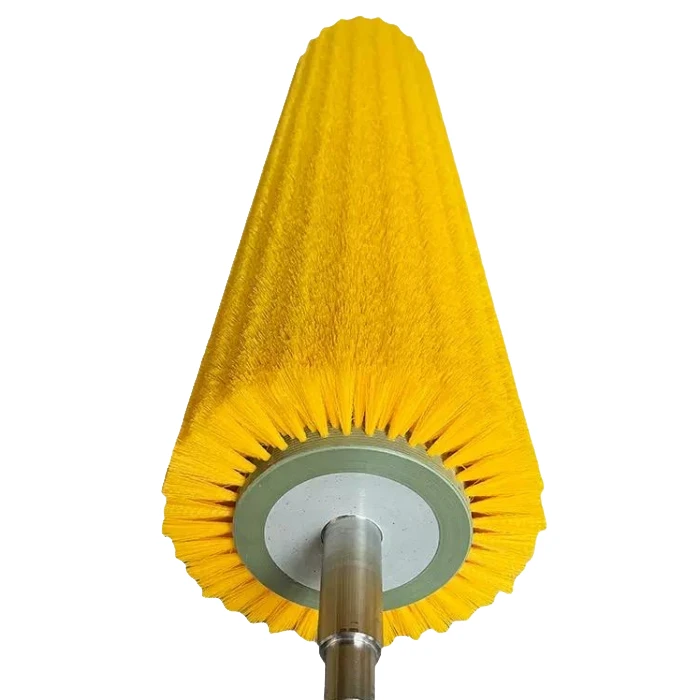
High-quality Cylinder Rotary Brushes may have higher initial costs. Yet, they provide a better ROI through more “up-time.” Custom designs resist chemical damage and filament wear. This minimizes maintenance shutdowns. It also keeps your product quality stable and consistent.
Conclusion
Many tiny pieces work together perfectly to create industrial efficiency—the Cylinder Rotary Brush exemplifies this principle. A great brush solution can greatly affect your success, no matter whether you’re grinding aggressively on a metal part or delicately cleaning solar panels. When manufacturers take into account application-specific requirements for things like filament resiliency, core stability, and mounting precision, they can enhance their operational results dramatically.
GW provides commercial manufacturing and custom solutions. We deliver high-performance brushing for diverse facilities. Our team develops quality brushes based on your specific needs. These engineered solutions solve tough industrial challenges. We serve major sectors like Agri-business and high-tech pharmaceuticals.
FAQ
Q1: What’s the benefit of using a Custom Cylinder Rotary Brush instead of a Standard Rotary Brush?
You’ll get a Custom Brush built to your exact machine’s specifications, such as speed/RPM, chemical environment, and substrate sensitivity, eliminating premature wear and ensuring uniform finishes.
Q2: Does the type of tuft pattern on a rotary roller brush impact how effectively it cleans?
Yes. A full-density pattern enables maximum scrubbing power, while a spiral or staggered pattern provides torque reduction to the motor by permitting better debris ejection.
Q3: Can roller brushes be helpful in reducing noise in manufacturing environments?
Roller brushes act as variable sound insulators between movable items, helping to reduce noise by preventing mechanical vibrations from bouncing back through the building as sound.