Understanding Sandpaper Brush Technology
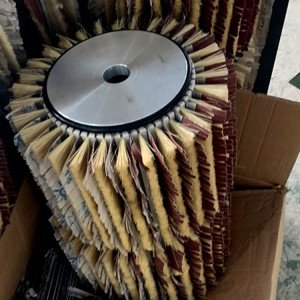
The sandpaper bristle uses a composite of abrasives and an abrasive material, in a rotating brush, creates a versatile finish. The use of a brush as opposed to a flat sanding method allows for continuous contact with an irregular surface and even distribution of pressure.
The way sandpaper brushes are constructed is by wrapping or attaching sandpaper to a cylindrical core, which allows them to reach curved surfaces that a typical sander cannot reach properly. Many manufacturers report that they have been able to decrease the time to process materials and provide a more uniform surface by switching over to this type of technology.
Components and Features Several important factors will determine how effective a sandpaper brush is as a tool:
- Grit options from very coarse to very fine.
- Core material selection for durability and balance.
- Method and security of strip attachment
- Machine compatibility for rotation speed
- Overall diameter and working width
Natural Fiber Alternatives: The Role of Sisal
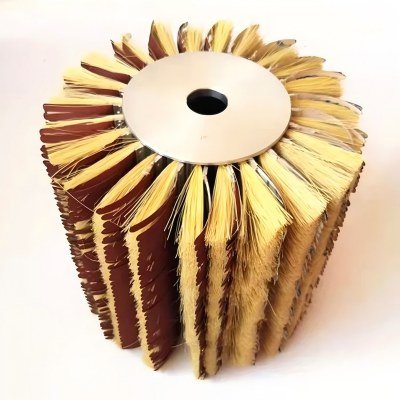
There are many applications for which natural fibre solutions have advantages over the majority of the available abrasive paper products. The Sisal Brush is one of those sustainable options that are often the preferred choice of manufacturers in one of their finishing stages. Sisal fibres will provide a ‘gentle’ method for preparing surfaces that does not involve the high level of aggressiveness exhibited by synthetic abrasives.
The experienced operators in the furniture industry often utilize both methods within their finishing processes. The natural method can handle initial cleanliness and minor surface preparation, while the sandpaper brush method can handle aggressive material removal tasks.
| Attributes | Sandpaper | Sisal |
| Material types | Abrasive paper | Woody plant fibers |
| Aggressiveness | high to moderate | low to moderate |
| Finishing quality | smooth glass-like surfaces | random pattern of fibers natural finish |
| Durability | Moderate | Extended |
| Best use | Heavy sanding (material removal) | Polishing & cleaning |
This table outlines some basic guidelines for purchasing managers when evaluating production needs.
Applications in the Furniture Industry
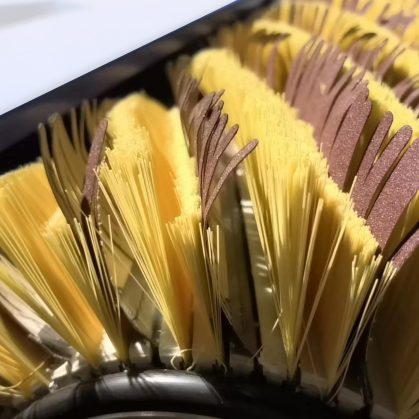
Quality Furniture Polishing Brushes are key components of any furniture manufacturing operation. A properly assembled set of furniture polishing brushes must be able to provide consistency and reliability on all different types of wood species and configurations. You will find that these brushes can adapt to a variety of production requirements from flat surfaces to highly decorated carved pieces of wood.
Production managers recognize that choosing the correct brush will play an important role in achieving high-quality finished products. Selecting the correct abrasive grading for each wood species, as well as how smooth you want them to be finished, requires careful thought and sometimes some trial and error before you obtain satisfactory results.
Wood Species Factors
Wood species behave differently when being mechanically finished. Hardwoods (such as oak and maple) will usually require more aggressive initial treatment than softer wood species (such as pine), which will typically need a less aggressive approach to avoid damaging the wood surface.
As many tools have unique shapes and sizes, wood polishing brush categories have been created to cover the full range of available tools for each type of wood. Using the right tools for the type of wood being worked on will produce the best possible finish and reduce waste from surface imperfections.
Sisal – Natural Fiber Alternatives
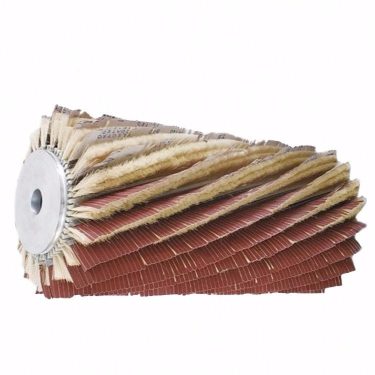
While abrasive paper products are widely used in a variety of materials, there are also some benefits offered by natural fiber-based products such as sisal brushes. Many manufacturers use sisal brushes as an eco-friendly option to achieve the best possible finish during final finishing. In addition to this benefit, the performance of sisal fibers also provides a non-aggressive method for surface preparation, compared to the aggressive nature and cutting ability of synthetic abrasives.
It is common for experienced operators to blend the two kinds of products together on their finishing line. The natural product will give you the initial clean and light preparation while the sandpaper brush product will remove more challenging materials.
Comparing Material Performance
| Feature | Sandpaper Type | Sisal Fiber Type |
| Aggressiveness | High to Medium | Low to Medium |
| Surface Finish | Smooth to Textured | Naturally Smooth |
| Durability | Moderate | Extended |
| Best Application | Heavy Sanding | Polishing & Cleaning |
| Environmental Impact | Standard | Eco-friendly |
| Cost per Hour | More | Less |
Using this information, purchasers can make better informed decisions based on their requirements for production.
Guidelines for Choosing Brushes for Production
In order to choose the right brush configuration, there are numerous considerations to factor into the evaluation process. For example, purchasers need to evaluate volume of products being manufactured, what type of finish they desire, what surfaces will be finished, and whether the required brush configuration will fit all necessary equipment prior to making their purchase decision.
Critical Evaluation Criteria
The total cost of ownership gives a more realistic comparison than the unit price does, so even if budget-conscious customers tend to look at unit prices first, they will ultimately want the total (or true) cost of having and operating the tool; this includes issues such as how long the brushes last, how much maintenance is required, and how consistent the finished product will be. Most reputable suppliers offer technical consultation services to help their customers select appropriate application-specific products. This can eliminate the cost of matching their equipment to their production needs.
Maintenance and Optimization Tips
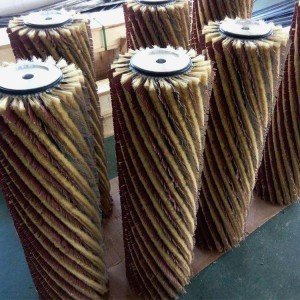
Proper maintenance provides a longer lifespan to brushes and supports quality of finish. Regular inspections to check for wear patterns, debris build up, and mount security should be common practice of the operator. Following the manufacturers recommendations will provide better results with a longer life for the tool.
Frequently Asked Questions
What is the best grit range for furniture?
Furniture finishing typically requires a surface or grit progression of 120 through 320. Coarser grits are used to eliminate imperfections from the wood, with the finer grit preparing the surface for painting or staining.
What’s the replacement frequency for industrial brushes?
Brush replacement frequency will vary due to both how much they’ve been used and the types of materials that are processed. Make sure to monitor the condition of the surface finish regularly and replace brushes when you see a significant drop in quality.
Can you use one type of brush for all different types of wood?
Generally, with medium grit brushes, there is enough versatility in them to be able to use them across all types of wood; however, you usually will achieve the best results by adjusting your speed settings or changing your brush configuration for very different material types.