An Introduction to Metal Channel Strip Brushes
For the past ten years, there have been significant developments made within the industrial cleaning industry, particularly in the domain of brush engineering. One innovative new product, the metal channel strip brush, is a multi-purpose tool designed to provide the user with a solution to a multitude of surface treatment problems. Manufacturers continue to tell us that the proper selection of your brushes will affect both the quality of products being manufactured and your overall production operating cost. The right brush system will allow for a reduction in your maintenance time by up to 40% and will also improve the consistency of your finished surface from one piece to another.
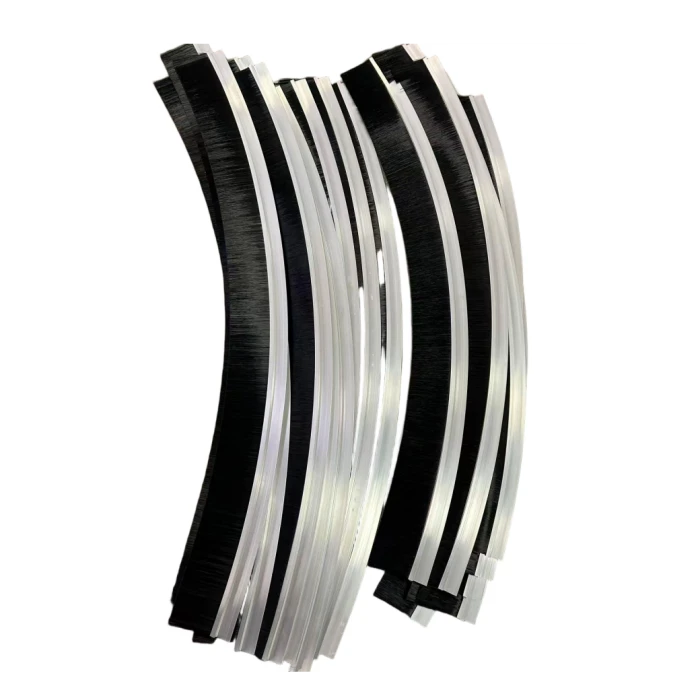
Parts with a heavy-duty type of construction have solid, sturdy designs that utilize a design with metallic wire strands held in position within a steel cylindrical tube. With this construction, wires can be kept from moving within the structure at high speed and also experience extreme loads.
Key Components and Material Options
Channel Construction
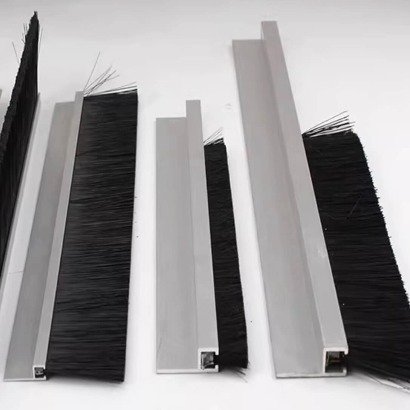
The metal housing serves as the primary structural component for these brush systems. Most manufacturers use either galvanized or stainless steel channels, depending on the type of environment in which their brushes will be used. Stainless steel construction is almost always required when brushing in corrosive environments, but galvanized channel construction is generally acceptable in standard industrial applications.
Filament Types
Different applications require different characteristics from the filament used in those applications. The following table shows some of the most common materials used for filaments, which have a variety of durability ratings depending upon the type of use for which they are intended.
Filament Material Description of Best Applications Durability Rating
Steel Wire Used for heavy-duty deburring and removal of rust; high durability rating High
Brass Wire Non-sparking environments Medium
Stainless Steel Food processing, medical High
Bronze Wire Marine applications Medium-High
Each configuration of a Metal Wire Brush has different benefits based on the material of the workpiece and the type of finish wanted on the surface. Harder filaments will remove harder materials faster, and softer ones will provide a gentler way of cleaning the surface.
Metal vs. Synthetic Brush Fillings – A Comparison
For applications needing to resist chemicals or softer contact with surfaces, nylon wire brushes provide benefits. Their synthetic materials tend to do better than metal in the following areas:
- Polishing of delicate surfaces
- Working in chemically hostile environments
- Consistency of flexibility over various temperatures
- Reduction of surface scratches
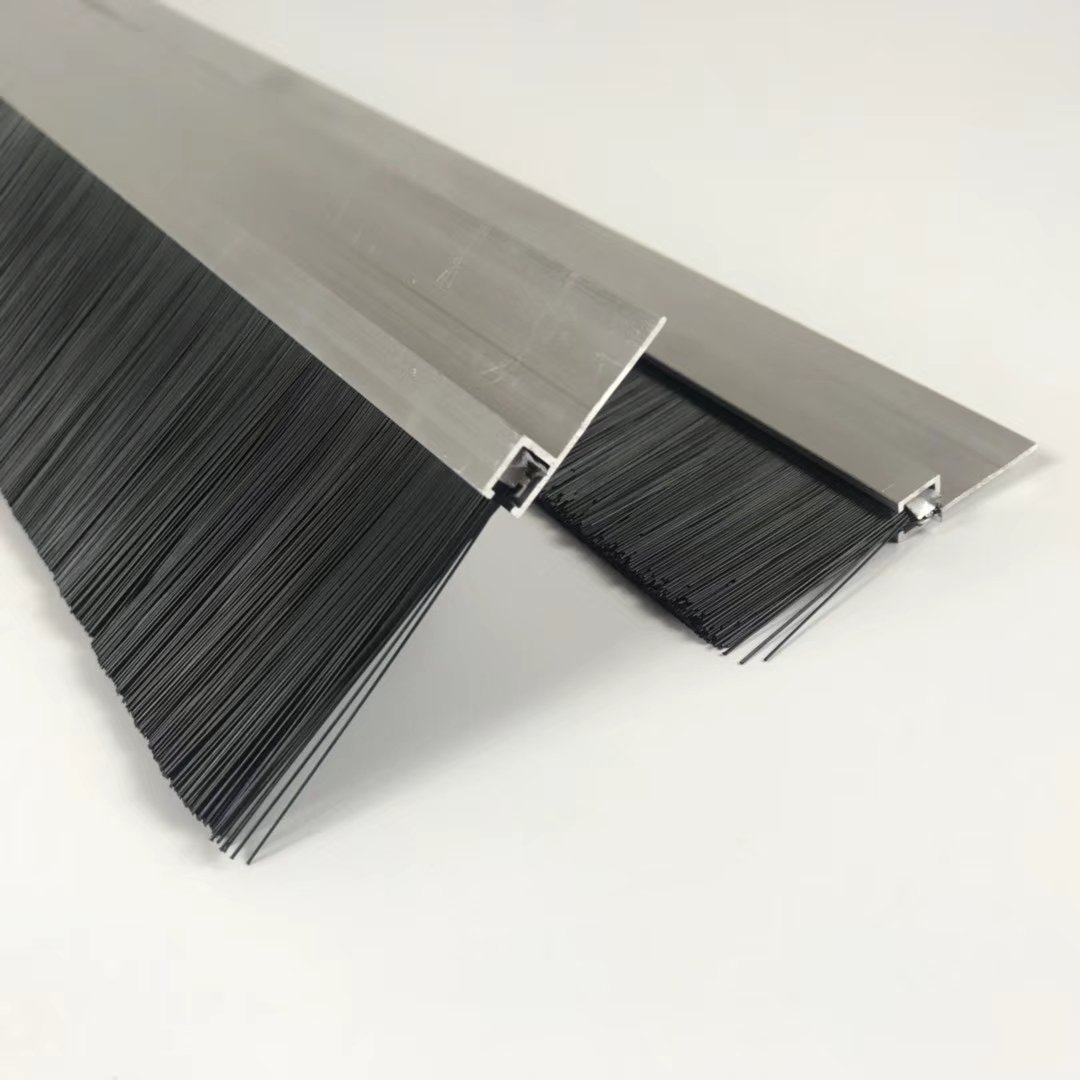
Metal channel strip brushes, in contrast, are superior to synthetic channels for creating an aggressive method of removing material due to the rigid and abrasive characteristics of metal filaments when compared to nylon. Because of this consideration, metal will enable a more efficient machining process with hardened materials than nylon.
Specialized Configurations
Curved and Spiral Designs
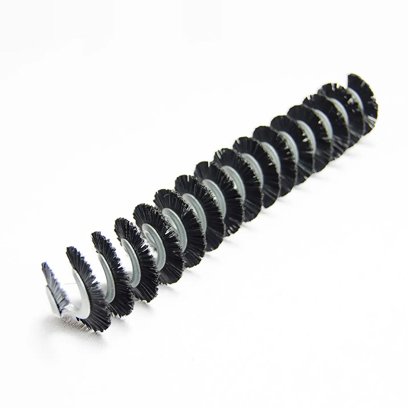
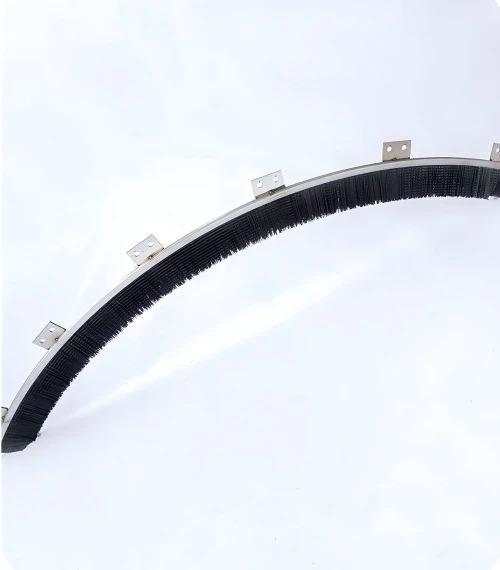
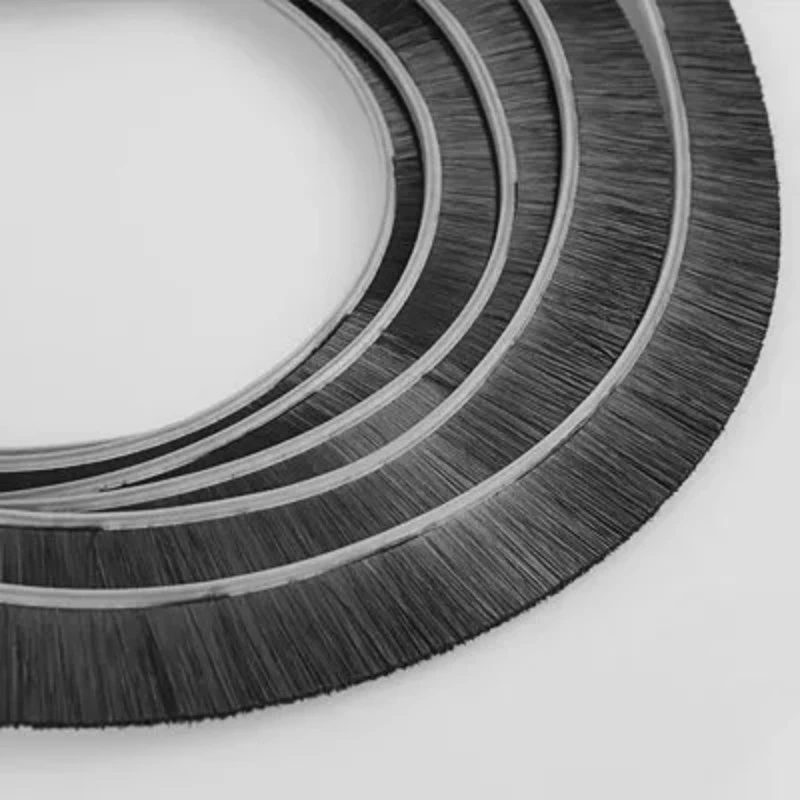
In addition to standard flat configurations, custom shapes can be made for specific applications. For example, curved strip brush designs are designed to conform to cylindrical surfaces in order to maintain even contact with all areas of the rounded workpiece. The spiral brush made of helical metal channel strip provides complete cleaning of rotatable tubes and shafts. Due to the helical shape, a constant contact force will result with each rotation of the brush and will produce even cleaning.
Custom Manufacturing Capabilities
Manufactured equipment can vary greatly in size and style, so when creating an industrial machine, most manufacturers will try to make it as custom as possible. Some manufacturers can help you achieve your custom product through their extensive range of capabilities. Examples would be:
- Variable filament densities for particular applications
- Mixed filament configurations combining material properties
- Special mounting provisions for unique equipment
Selection Guidelines for Optimal Results
Choosing the appropriate metal channel strip brush requires systematic evaluation of your specific application. As a direct manufacturer, we recommend guiding your customization through these core parameters:
- Target Surface Materials: Hardened steel tolerates aggressive carbon or stainless steel wire. Conversely, softer metals (like aluminum) and sensitive coated surfaces require gentler brass, Nylon, or Polypropylene (PP) filaments to prevent scratching.
- Operational Parameters: Operating speed and contact pressure directly dictate the required filament density, trim length, and profile shape to ensure consistent performance without premature wear.
- Environmental Factors: For applications involving extreme temperatures, moisture, or chemical exposure, specify corrosion-resistant channel backings (such as stainless steel rather than galvanized) and highly resilient synthetic filaments.
- Quality & Production Volume: Your desired surface finish determines the optimal filament diameter. Meanwhile, continuous high-volume production demands customized, high-durability brush configurations to maximize lifespan and minimize equipment downtime.
Maintenance and Longevity
When brushes are properly maintained, they will provide much greater service life than if they are not maintained. It is important to regularly inspect brushes so that wear patterns can be detected before they affect production quality. Operators should inspect the condition of the filament weekly if the brush is in a high-use application.
To avoid the accumulation of material that can contribute to wear, brushes should be cleaned after each shift. Loose debris can be removed from filament bundles with the use of compressed air.
FAQ
Q: How long does a metal channel strip brush typically last?
A: A metal channel strip brush usually lasts 3 to 6 months with regular use – roughly 3 to 4 hours per day, 3 to 4 days per week. Actual lifespan varies by your facility’s daily activity levels. Most operators replace or repair their brushes after approximately 90 days of normal use, whether monthly or quarterly.
Q: Can you customize a metal brush for my specific equipment?
A: Yes. Leading manufacturers offer fully customized metal brushes to fit your machinery. You can specify channel length, filament type, density, and mounting style – ensuring the replacement brush performs exactly like the original factory part.
Q: What’s the difference between metal brushes and abrasive belts or sanding discs?
A: Metal brushes remove surface material in a controlled, repeatable way without generating significant heat. They also outlast bonded abrasives, deliver longer service life, and produce more consistent results than conventional sanding or grinding tools.