1. Introduction: Scratching Needs and Animal Health
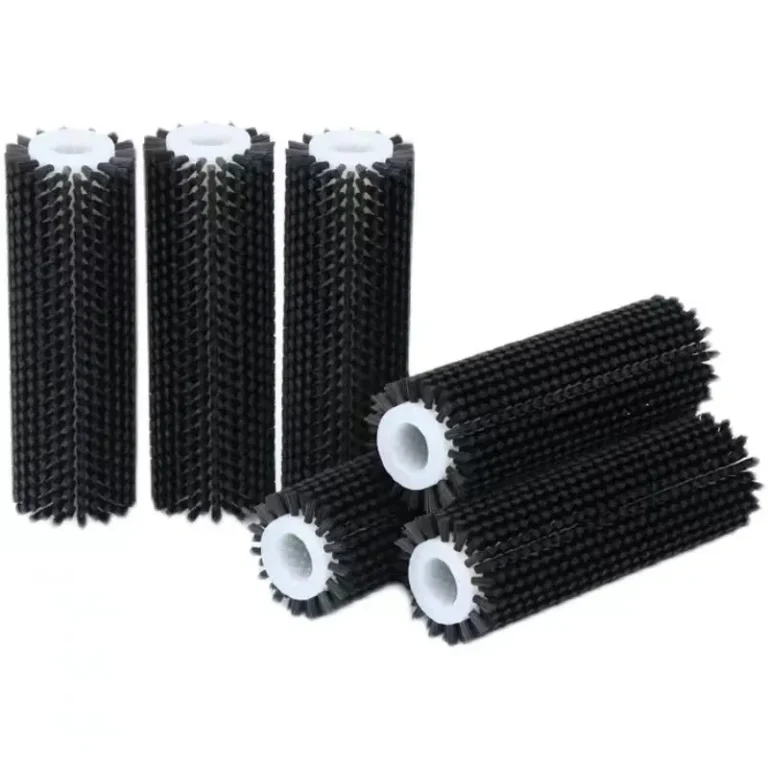
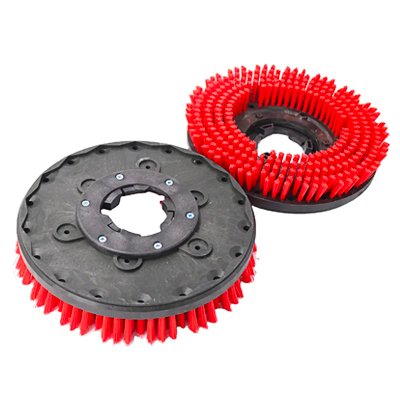
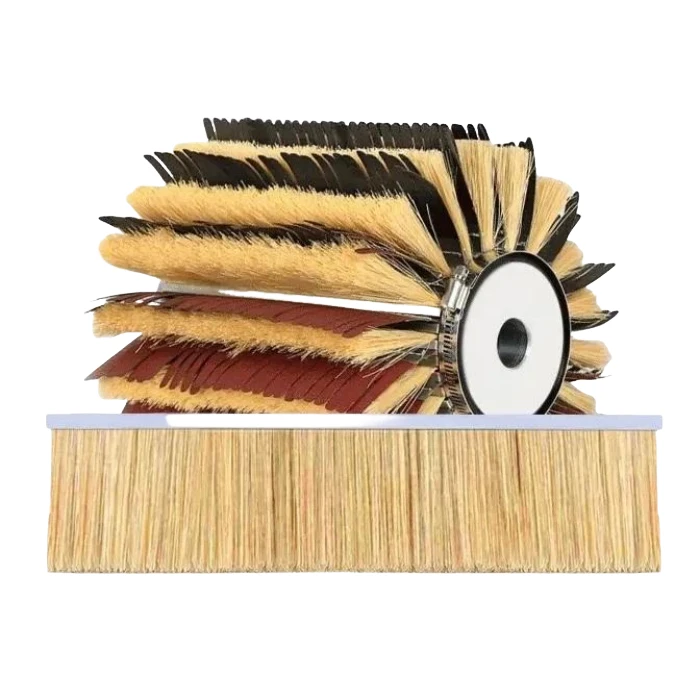
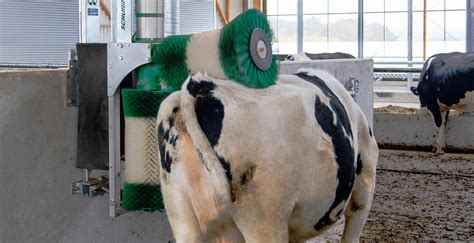
In cattle farming areas, parasites often stimulate cattle, causing them to rub against walls and posts in the cowshed, which can damage the cowshed structure. If cattle collide with sharp objects, it can result in significant financial losses for farmers. Livestock scratching brushes are designed to meet the self-cleaning needs of cattle through brushing. Regular brushing and massaging of cattle can not only promote blood circulation but also remove dirt and repel parasites, thereby increasing the feed intake and milk production of dairy cows.
1.1 The Science Behind Scratching Behavior
Cornell University’s Animal Behavior Research confirms scratching serves three critical functions:
- Parasite removal
- Blood circulation enhancement
- Stress reduction
1.2 Consequences of Inadequate Scratching
USDA livestock health data reveals:
- 27% higher dermatitis rates
- 33% increased parasite infestation risks
- 19% more aggressive behaviors
2. Species-Specific Needs & Brush Design
Different livestock require tailored scratching solutions. Cows need rotational brushes for full-body access, horses prioritize ergonomic designs for muscle relief, and pigs/sheep demand durable shared units. Discover the optimal brush types for each species.
2.1 Cattle (Dairy/Beef)
Journal of Dairy Science proves scratching boosts milk production by 5-8%.
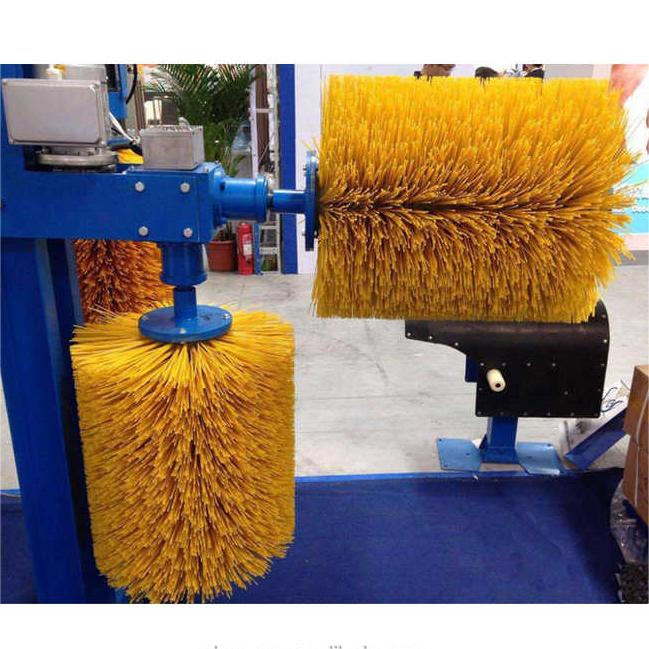
- Recommended: GW Automatic Cattle Brush
- 360° rotating heads
- Motion-activated, <1kWh/month
2.2 Horses
Equine Veterinary Journal links brushing to 22% fewer injuries.
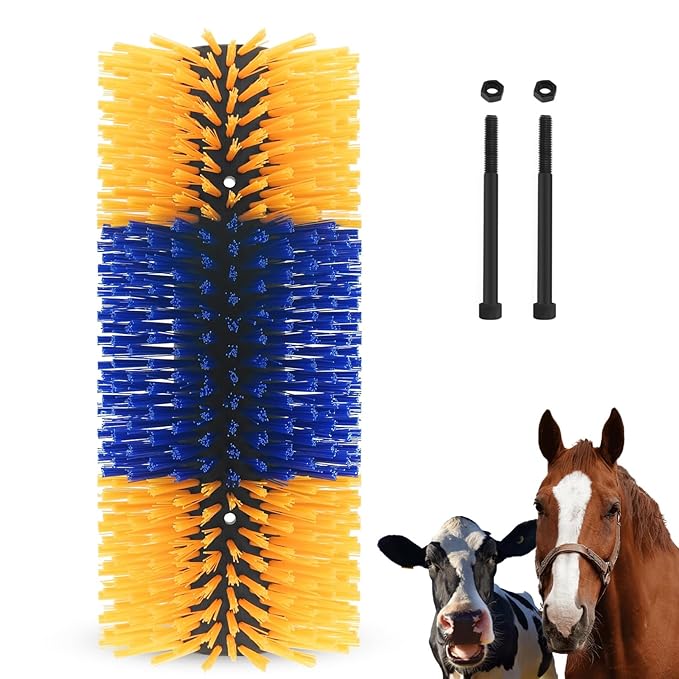
- Recommended: GW Multi-Purpose Brush
- Dual-density bristles
- Wall-mounted for stables
2.3 Sheep & Pigs
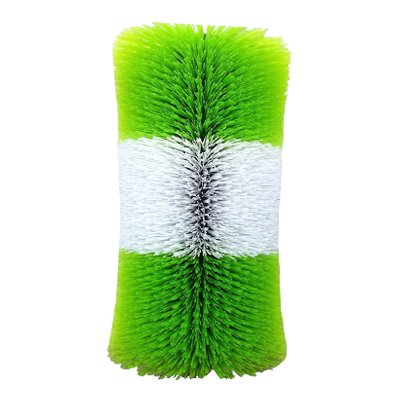
- Recommended: GW Heavy-Duty Livestock Brush
- 304 stainless steel frame
- Modular brush replacements
3. Key Features of Professional Scratching Brushes
High-quality livestock brushes combine FDA-compliant materials, smart automation, and flexible installation. Compare critical specifications like waterproof ratings, antibacterial coatings, and energy efficiency.
3.1 Material Safety
- FDA-grade plastics (FDA guidelines)
- Nano-silver antimicrobial bristles
3.2 Automation Advancements
GW Automatic Brush features:
- 2m motion detection
- IP65 waterproofing
3.3 Installation Types
| Type | Best For | Product Example |
|---|---|---|
| Wall-mounted | Fixed barn positions | Multi-Purpose Brush |
| Post-mounted | Pastures | Heavy-Duty Brush |
4. Buyer’s Guide: 4 Decision Factors
Choosing the right brush involves evaluating animal size, environmental conditions, maintenance costs, and ROI. Use our comparison tables to avoid overpaying while ensuring durability.
4.1 Size Compatibility
| Animal | Bristle Length | Recommended Product |
|---|---|---|
| Adult cattle | 15-20cm | Automatic Cattle Brush |
| Horses | 10-15cm | Multi-Purpose Brush |
| Sheep/Pigs | 8-12cm | Heavy-Duty Brush |
4.2 Environmental Adaptability
- Rain-prone areas: IP65 rating (Automatic Brush)
- High UV exposure: Anti-fade coating (Heavy-Duty Brush)
4.3 Maintenance & ROI
- Replaceable brush heads cut costs by 60%
- Sample ROI calculation: $1,200 investment yields $6,700 annual returns
5. Installation & Maintenance Protocols
Proper installation ensures animal safety and brush longevity. Follow OSHA-compliant positioning guidelines and maintenance schedules to maximize equipment lifespan.
5.1 OSHA-Compliant Setup
- Distance from feeders: >1.5m
- Height alignment: Brush center at shoulder height
5.2 Maintenance Schedule
| Task | Frequency | Tools |
|---|---|---|
| Bristle cleaning | Weekly | Stiff brush + water |
| Bearing lubrication | Quarterly | Food-grade grease |
| Electrical check | Biannually | Multimeter (auto models) |