Industrial brushes are important tools in the field of surface treatment and are widely used in industries such as metal processing, automobile manufacturing, and food processing. They can not only clean, deburr, and polish, but also give unique textures and visual effects to the surface of materials. This article will explore the application of industrial brushes in surface treatment, including their types, materials, operating procedures, and how to choose suitable industrial brushes.
Types of industrial brushes
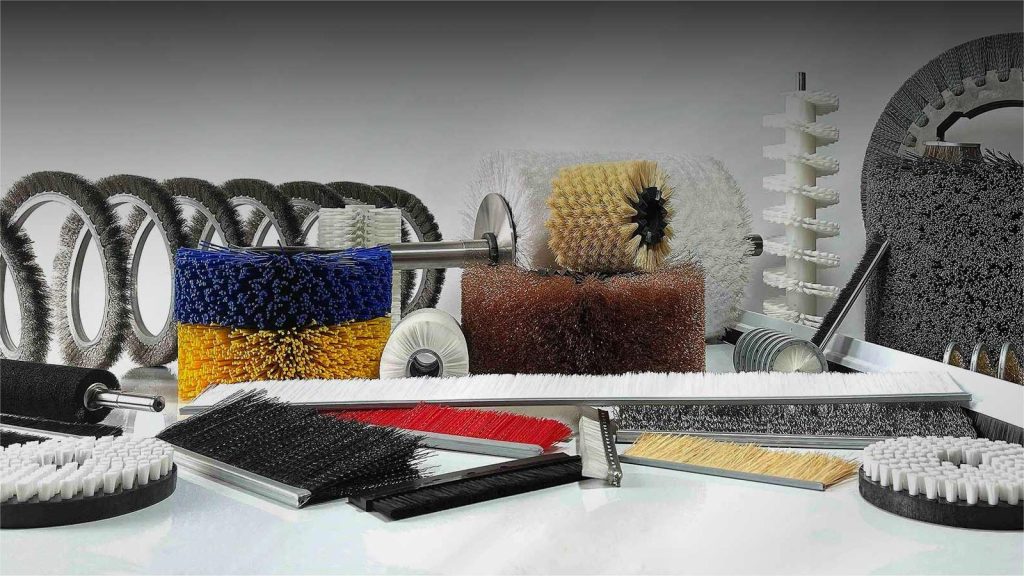
Industrial brushes can be divided into many types according to their shape and purpose, including:
Strip brushes: used for sealing, dust removal and cleaning, suitable for small areas.
Twisted wire brushes: used to clean hard-to-reach areas such as the inside of pipes.
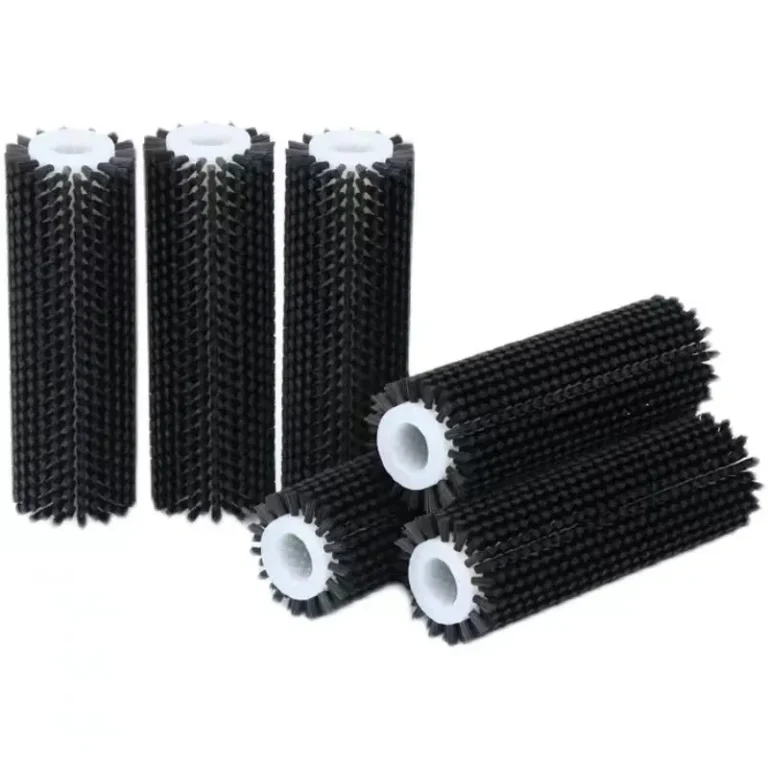
Roller brushes: commonly used to clean conveyor belts and sorting systems.
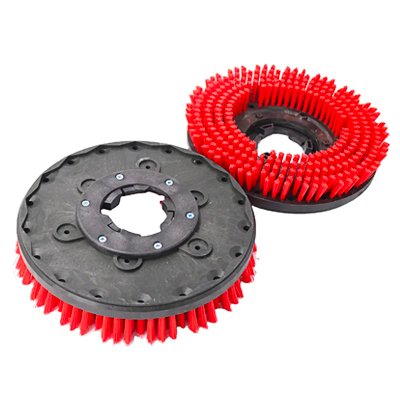
Wheel brushes: suitable for deburring, polishing, and cleaning metal surfaces.
Materials of industrial brushes
The material selection of industrial brushes directly affects their performance and applicable scenarios:
Wire brushes: suitable for hard metals (such as stainless steel and aluminum), with high wear resistance and durability.
Nylon brushes: suitable for cleaning food processing equipment because they are soft and not easy to damage the surface.
Carbon steel brushes: used to remove rust and oxide layers, suitable for heavy industrial applications.
Application of industrial brushes in surface treatment
Cleaning and decontamination
Industrial brushes perform well in cleaning metal surfaces and can effectively remove oil, rust and other contaminants. For example, in automotive manufacturing, industrial brushes are used to clean engine parts to ensure the adhesion of subsequent coatings.
Deburring
Treatment is an important step in metal processing. Industrial brushes can remove sharp edges and minor defects without changing the size of the part. For example, in the aerospace field, industrial brushes are used to smooth the edges of metal parts and reduce pressure concentration.
Polishing and texturing
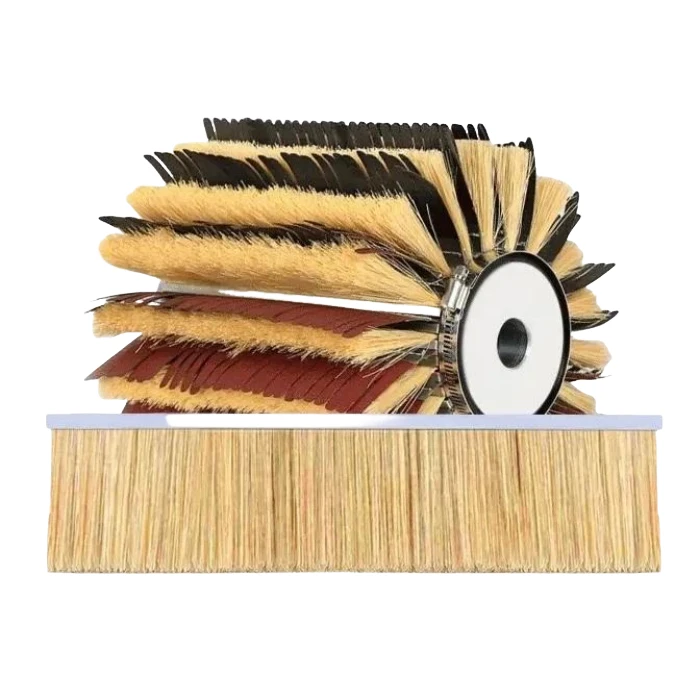
Industrial brushes can give metal surfaces unique texture effects, such as brushed effects. This treatment not only improves the appearance and texture of the product, but also enhances its wear resistance and anti-fingerprint properties. For example, brushed stainless steel surfaces are widely used in architectural decoration and household appliances.
Surface roughening and coating adhesion
In some applications, increasing the surface roughness can improve the adhesion of the coating. Industrial brushes can achieve different degrees of roughening by adjusting the bristle type and speed. For example, in automotive manufacturing, industrial brushes are used for surface preparation before spraying to ensure that the coating is uniform and firm.
How to choose the right industrial brush
Choose according to the material
Different materials require different types of brushes. For example, stainless steel is suitable for wire brushes, while aluminum is suitable for nylon brushes.
Choose according to the application scenario
Cleaning and deburring require brushes with high wear resistance, while polishing and texturing require fine bristles. For example, carbon steel brushes are suitable for heavy industrial applications, while ceramic brushes are suitable for high-precision processing.
Choose according to performance requirements
High-speed brushes are suitable for fast processing, while low-speed brushes are suitable for fine operations. For example, in wire drawing, high-speed brushes can quickly form a uniform texture. Maintenance and care of industrial brushes
Regular cleaning
The bristles need to be cleaned in time after use to remove residual dirt and abrasives to extend the service life of the brush.
Proper storage
The brush should be stored in a dry environment to avoid moisture and deformation. For example, stainless steel brushes need to be kept away from carbon steel particles to prevent contamination.
Regular inspection
Regularly check the wear of the bristles and replace severely worn brushes in time to ensure the treatment effect.
Conclusion
Industrial brushes play an indispensable role in surface treatment, and their diverse types and materials enable them to meet the needs of different industries. By choosing the right brush and following the correct operating procedures, the quality and aesthetics of the product can be significantly improved. In the future, with the advancement of technology, industrial brushes will play their unique advantages in more fields and bring more innovations and opportunities to the surface treatment industry