In industrial applications such as metal processing, rust removal and polishing, the choice of brush wheel directly affects the work efficiency and the quality of the finished product. Whether it is used with a wire wheel grinder or as a wire brush for grinder for surface treatment, choosing the wrong model may lead to low efficiency, material damage and even safety hazards.
Faced with a wide range of wire wheel brushes on the market, how to make the best choice based on material, process and machine parameters? This article will systematically analyze the five key factors for purchasing grinding wheel brushes, and share the unique selection skills in the industry to help you accurately match your needs from a professional perspective!
1. Clarify the needs: the core application scenarios of different brush wheels
1.1 Classification by function: from rough processing to fine polishing
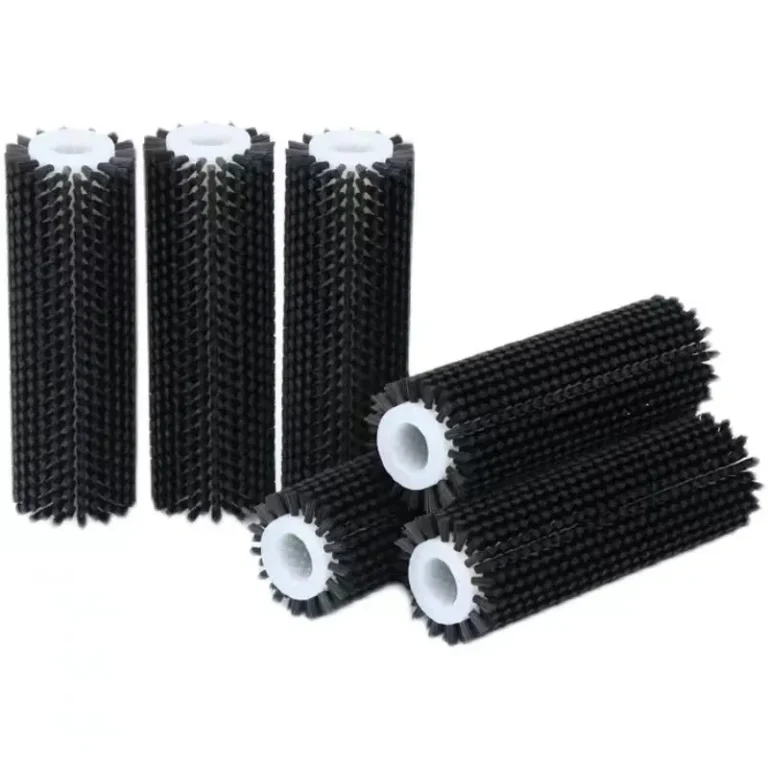
Heavy rust removal: Use a high-density twisted wire wire wheel brush, which is suitable for removing thick oxide layers (such as ship steel plates).
Medium-level cleaning: cup wire brush can handle welds and surface burrs.
Fine polishing: brass wire or nylon wire wheel brush is suitable for stainless steel or precision parts finishing.
1.2 Classification by machine adaptability
Handheld angle grinder: diameter ≤125mm, speed matching below 15,000RPM
Bench grinder: diameter 150-200mm, medium and high density wire
2. Material selection: steel wire, brass wire or nylon wire?
2.1 Stainless steel wire wheel brush
Advantages: high hardness, corrosion resistance, suitable for carbon steel and cast iron processing.
Limitations: may scratch soft metals (such as aluminum), need to be used with lubricants.
2.2 Brass wire wheel brush
Unique value: The silk is softer, can clean the oxide layer without damaging the substrate, and is the standard in the automotive repair industry.
Note: Copper wire is easy to wear, and its life is about 60% of that of stainless steel wire.
2.3 Nylon fiber wheel brush
Emerging choice: Nylon brush with added silicon carbide abrasive, suitable for 3D printing parts to support or composite material grinding.
Environmental advantages: no metal dust pollution, in line with EU RoHS standards.
Professional advice: When processing aluminum alloys, you can choose copper-plated steel wire wheel brushes-its conductivity can prevent static sparks from igniting aluminum powder, and its safety is far better than ordinary steel wire brushes!3. Structural design: twisted wire, straight wire or corrugated wire?
3. Structural design: twisted wire, straight wire or corrugated wire?
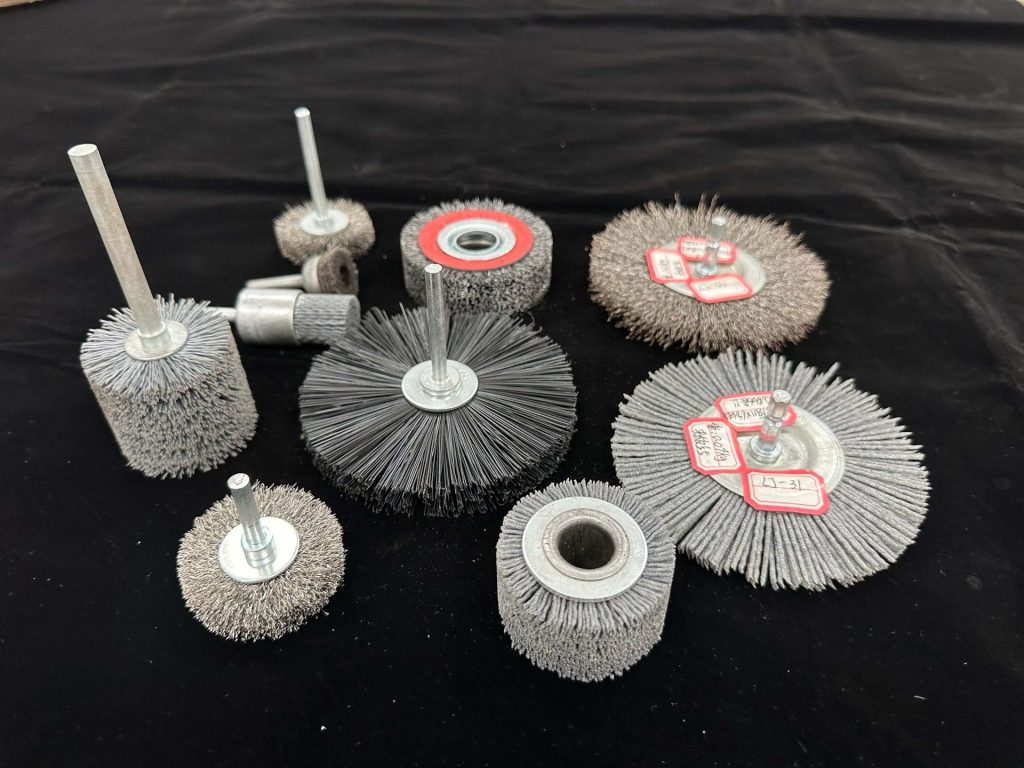
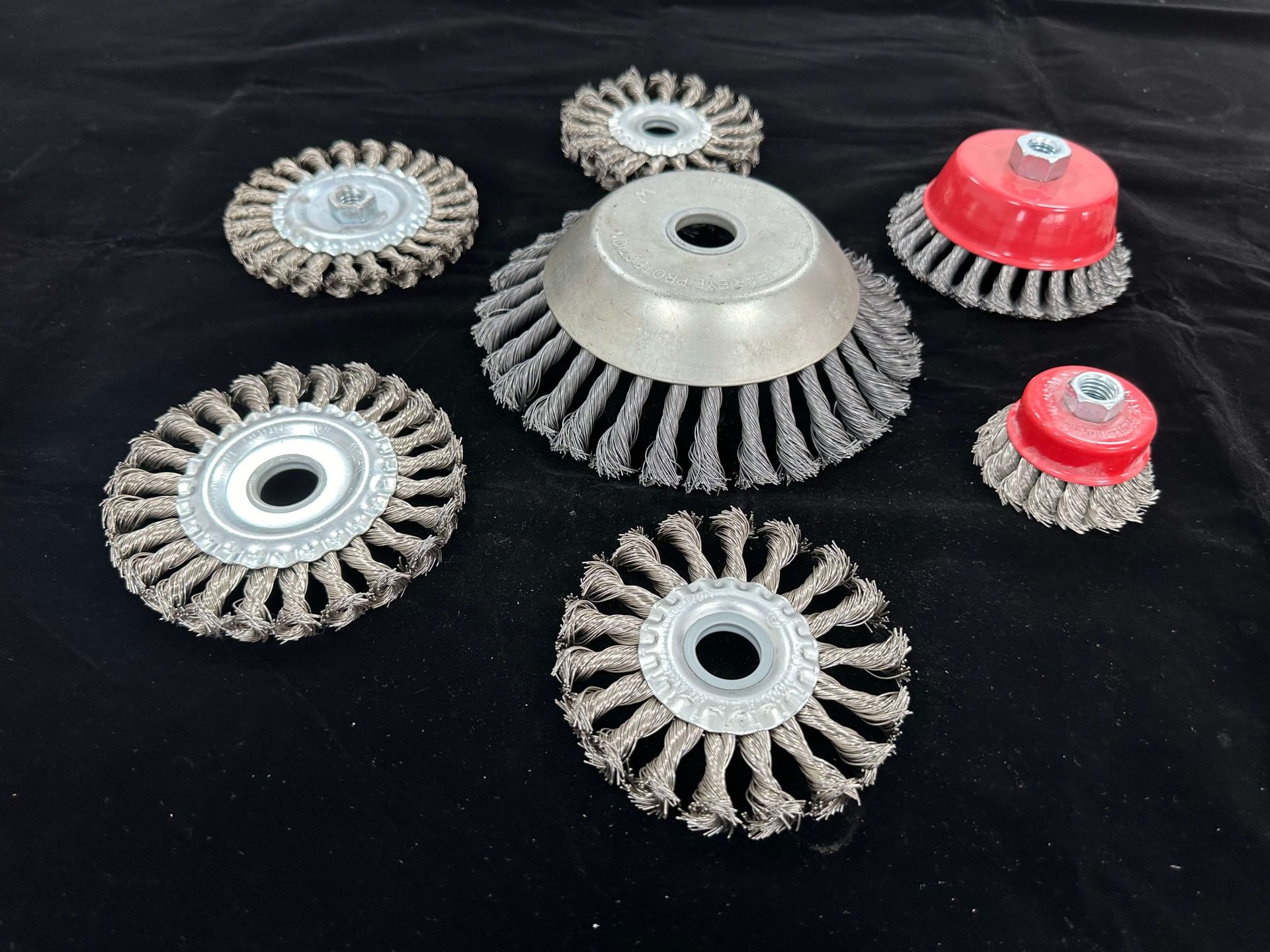
3.1 Twisted Wire Wheel Brush
Features: The steel wire is spirally wound, highly aggressive, and suitable for rapid rust removal.
Representative product: marshal’s ST-45 series (refer to the galvanized sheet cup brush in the link).
3.2 Straight Wire Wheel Brush
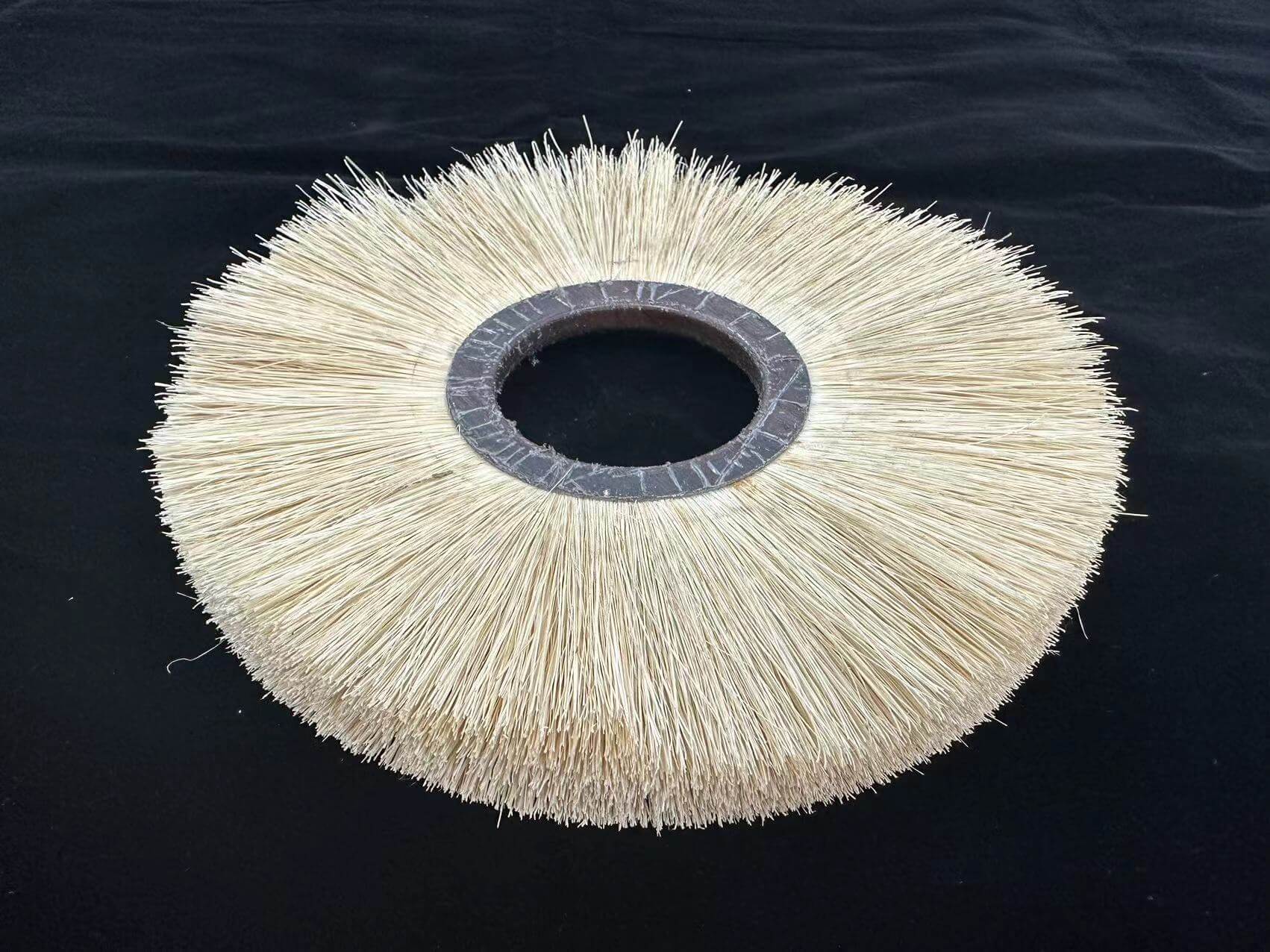
Precision application: The wire bundles are arranged in parallel to provide uniform cutting force, and are often used for PCB board cleaning.
3.3 Crimped Wire Wheel Brush
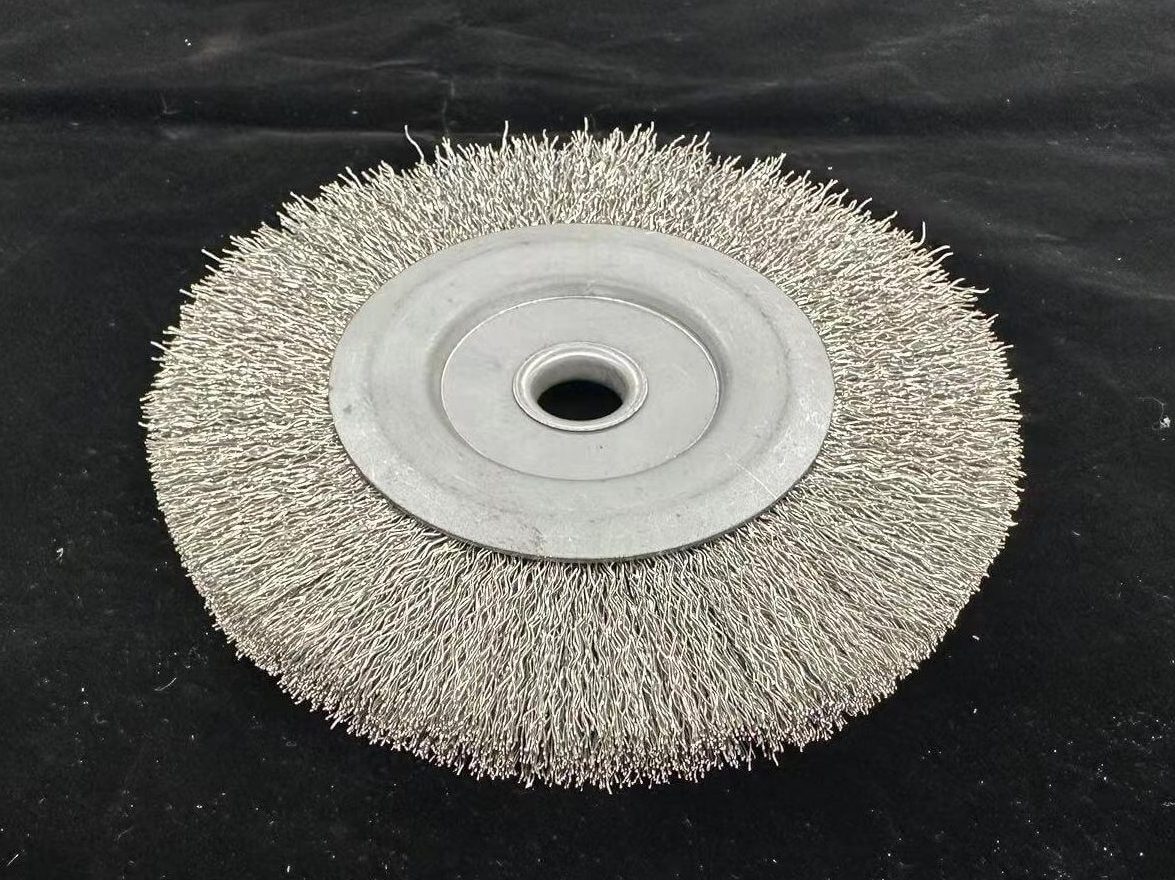
Compromise: It has both elasticity and strength, and is often used in the automotive manufacturing industry to clean engine parts.
Experimental data: At the same speed, the metal removal rate of the twisted wire brush is 37% higher than that of the straight wire brush, but the surface roughness (Ra value) will increase by 2-3 times, and it needs to be weighed according to the process goals.
4. Safety and performance parameters: key indicators ignored by 90% of users
4.1 Speed matching
Calculation formula: brush wheel edge linear speed (m/s) = 0.00005236 × diameter (mm) × RPM
Safety threshold: stainless steel wire wheel brush edge linear speed should be ≤80m/s, otherwise it may be thrown and hurt people.
4.2 Wire diameter and density
Coarse wire (0.5mm or more): used for heavy cleaning, but will leave deeper scratches.
Dense design: wire wheel brush with wire bundle spacing ≤1.5mm has a 40% longer life.
5. Maintenance and innovative application skills
5.1 Tips for extending life
Pre-treatment of workpiece: first use a grinding wheel to remove ≥50% of the oxide layer, then use a wire brush for fine treatment.
Clean storage: use compressed air to remove metal chips in the gap of the brush wheel, and apply anti-rust oil when storing.
5.2 Breakthrough application cases
Reverse use skills: let the wire wheel grinder rotate counterclockwise (opposite to the direction of the brush wire winding), which can increase the cutting efficiency by 20%.
first use a stainless steel wire wheel to remove rust, then change to a brass wire wheel for polishing, and a single operation can achieve Sa2.5 cleanliness.
From “usable” to “professional” brush wheel selection transition
Selecting a wire wheel for grinder is not a simple size matching, but a system engineering that integrates material properties, structural mechanics, and safety standards. The speed calculation formula, wire selection matrix, reverse use skills, and other dry goods revealed in this article are all from the practical experience of front-line engineers.