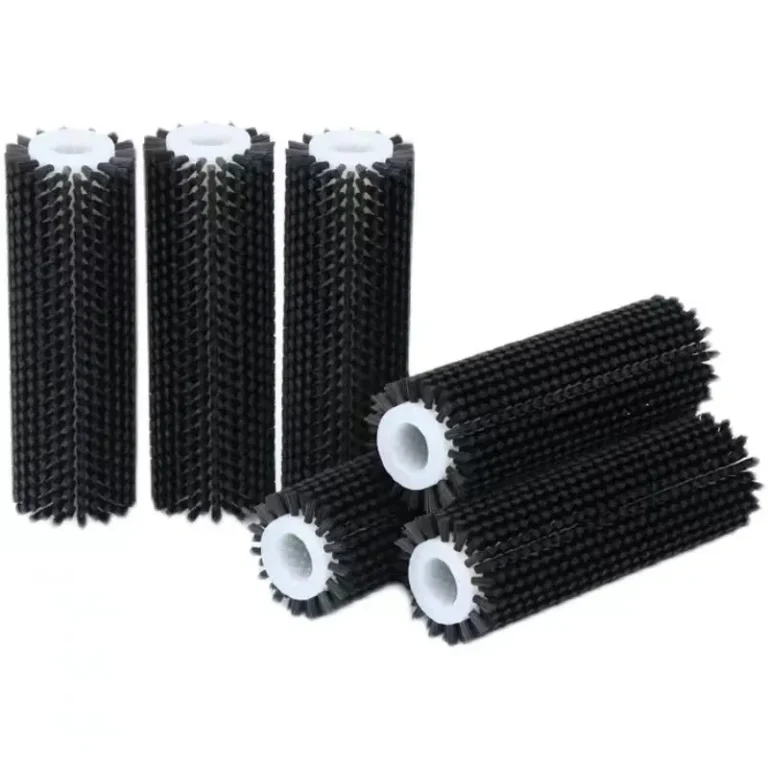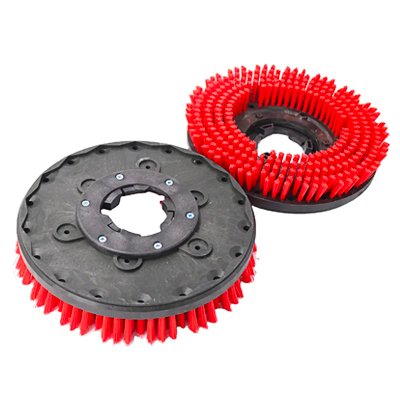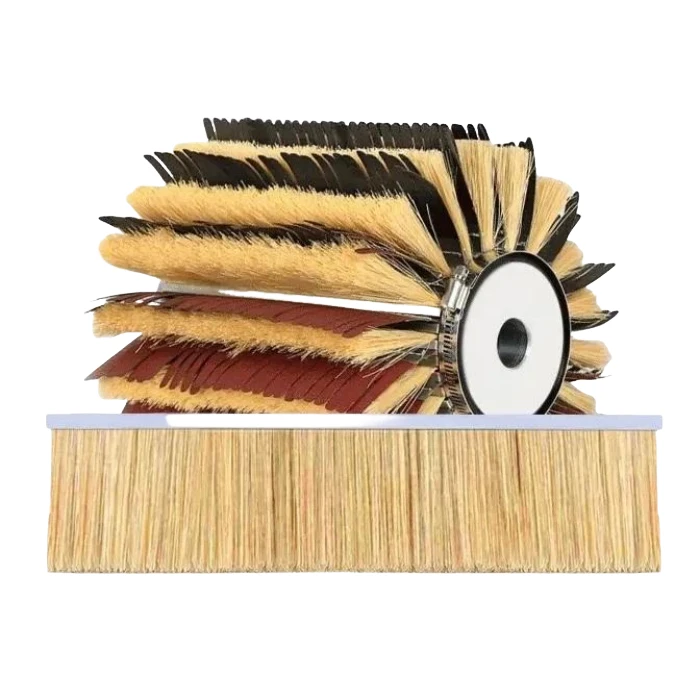
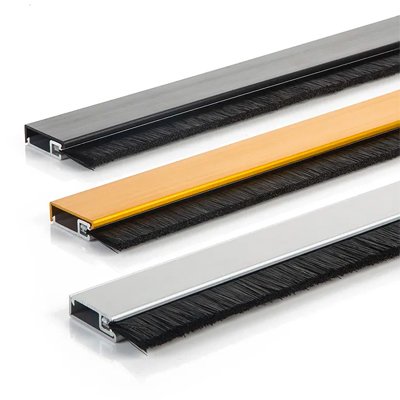
You can find brush seal solutions in five main industries:
-
Industrial doors
-
Manufacturing and processing
-
Logistics and conveyor systems
-
Automotive and aerospace
-
Heritage and clean environments
It is important to pick the right material for your strip brushes. The table below shows how each material works:
|
Brush Material |
Key Characteristics |
Suitability and Impact |
|---|---|---|
|
Polypropylene |
Resists water, bends easily, not expensive |
Good for wet places and lasts a long time |
|
Wire brushes |
Very strong, tough, used in factories |
Lasts for hard jobs, use carefully |
|
Natural fibre brushes |
Stops static, good for the planet |
Good for dust and soft surfaces |
|
Composite brushes |
Made to order, has many layers |
Very strong, fits special needs |
If you need a door sealing brush, a nylon bristle brush seal is clean and strong. A brass strip brush is good for surfaces that need a soft touch. Picking the right brush seal or strip brushes helps you get better results, makes them last longer, and keeps things cleaner.
Key Takeaways
-
Brush seals and strip brushes are used in many industries. These include doors, manufacturing, logistics, automotive, and heritage sites. Each place needs special materials and care.
-
Picking the right brush material is important. Nylon is strong. Natural fibres are good for gentle cleaning. Metal wire is best for hard jobs. This helps the brush work better and last longer.
-
You should check and clean brush seals often. This stops damage and saves energy. It also keeps machines working well.
-
Brush seals help stop dust, noise, heat, and leaks. This makes workplaces cleaner and quieter. It also helps things run better.
-
Think about the environment, how you will use the brush, and the cost. This helps you pick brushes that last long, are safe, and work well.
1. Industrial Door Brush Seal
Applications
You will find industrial door brush seals in many busy places. These include warehouses, factories, assembly lines, and even airplane hangars. You can use a door sealing brush to close gaps around overhead doors, double doors, and even barn or stable doors. These brushes help you keep out dust, dirt, and pests. They also stop drafts and moisture from entering your building.
-
You can use a strip brush or sealing brush to block hot or cold air. This helps you control the temperature inside your workspace.
-
A window sealing brush works well for keeping out rain, wind, and snow.
-
You can use a conveyor belt brush at the edges of conveyor systems to guide items and keep debris away.
-
Brush seals also reduce noise and block unwanted light.
-
These brushes protect your equipment by stopping dirt and water from getting inside.
Tip: Using the right brush seal can help you save energy and keep your workplace cleaner.
Challenges
You may face several challenges when using brush seals on industrial doors. High traffic areas cause more wear because doors open and close often. This can make the bristles wear out faster. Weather changes, such as heat, cold, rain, and sunlight, can make the material shrink, crack, or become brittle.
-
You need to check your brush seals often for damage, such as cuts, tears, or missing bristles.
-
Cleaning is important. Use mild soap and warm water to remove dust and dirt. Avoid harsh chemicals unless you know the brush can handle them.
-
Sometimes, you must replace damaged brushes quickly to keep your doors working well.
-
In places with lots of movement, you should inspect the brush seals every few months.
-
If you use a strip brush with a screw-on retainer, you can replace it more easily.
|
Maintenance Task |
How Often |
Why It Matters |
|---|---|---|
|
Visual inspection |
Weekly |
Find early signs of wear or damage |
|
Light cleaning |
Every two weeks |
Remove dust and keep bristles flexible |
|
Deep cleaning |
Monthly |
Restore brush performance |
|
Lubricate parts |
Monthly |
Prevent vibration and extra wear |
|
Replace damaged brushes |
As needed |
Keep doors sealed and working |
Note: Choosing a high-quality sealing brush or strip brush can help you avoid many problems and make your brush seals last longer.
2. Manufacturing & Processing
Cleaning & Finishing
Industrial brushes are used a lot in factories. They help keep surfaces clean for the next job. Here are some ways you can use a strip brush or conveyor belt brush:
-
Take off rust, oxides, and burrs from metal parts.
-
Clean things before you paint or coat them.
-
Polish and sand wood, metal, or leather to make them smooth.
-
Remove sharp edges and bits you do not want.
-
Get surfaces ready for sealing by cleaning and polishing.
A strip brush is good for cleaning machines and tools. A conveyor belt brush keeps belts clear of rubbish. This stops mistakes and helps your line work well. Using a sealing brush makes your products look better and work better. Many jobs, like metal work, wood work, and making machines, need these brushes every day for cleaning and finishing.
Tip: Cleaning often with the right brush helps you stop delays and makes your products better.
Sealing & Protection
A brush seal can protect machines and stop leaks in your building. The bristles are packed close together to block air, dust, and liquids. In steam turbines, brush seals can cut leaks by one-third compared to old seals. This saves energy and stops you losing products. You also spend less on repairs because these seals last longer and do not need changing as much.
-
Brush seals keep dust and water out, so parts stay safe.
-
They help keep the right pressure and heat inside machines.
-
You can use a sealing brush in places with high pressure, like compressors and turbines.
-
Non-metal bristles, such as Kevlar fibres, help lower heat and wear on moving parts.
If you do not change old seals, you might get more leaks and bigger energy bills. Checking often and picking the right brush seal helps you stop these problems. Your machines will last longer and work better.
3. Logistics & Conveyor Systems
Contamination Control
It is important to keep conveyor systems clean. This stops contamination from happening. A strip brush or conveyor belt brush sweeps away dust and crumbs. It also removes debris from moving parts. This keeps products safe and machines working well.
-
There are many brush shapes you can use. Some are straight, coiled, disk, or cup brushes. Each shape helps with a different cleaning job.
-
Bristle materials like nylon, polypropylene, and polyester are flexible. They do not wear out quickly. Some brushes use abrasive polymers with tiny bits for tough cleaning.
-
You can pick the bristle length, density, and fill material. This helps match the brush to your conveyor system. It gives better cleaning and sealing.
Tip: A sealing brush on your conveyor system stops dirt from spreading. This keeps products safe and your workplace tidy.
New technology has made brushes work even better. Some companies use 3D printing to make special brush shapes. These shapes help clean tricky surfaces. Others use eco-friendly materials like bamboo or recycled plastics. This helps the environment. Some brushes have sensors that tell you when to replace them.
Equipment Protection
You want your equipment to last a long time. A brush seal or strip brush acts as a barrier. It stops dust, water, and small parts from entering moving parts. This lowers wear and keeps machines working well.
-
Flexible strip brushes like MEMFLEX bend to fit many shapes. They do not rust and last longer. This helps you save money.
-
Metal bristles are best for heavy-duty jobs. Softer bristles are good for delicate surfaces.
-
Smart brushes with sensors warn you about wear. This lets you fix problems before damage happens.
A conveyor belt brush helps guide products and stops jams. A sealing brush blocks gaps and keeps the system running well. Picking the right brush protects your machines and lowers downtime.
Note: Regular checks and cleaning with the right brush keep conveyor systems safe and efficient.
4. Automotive & Aerospace
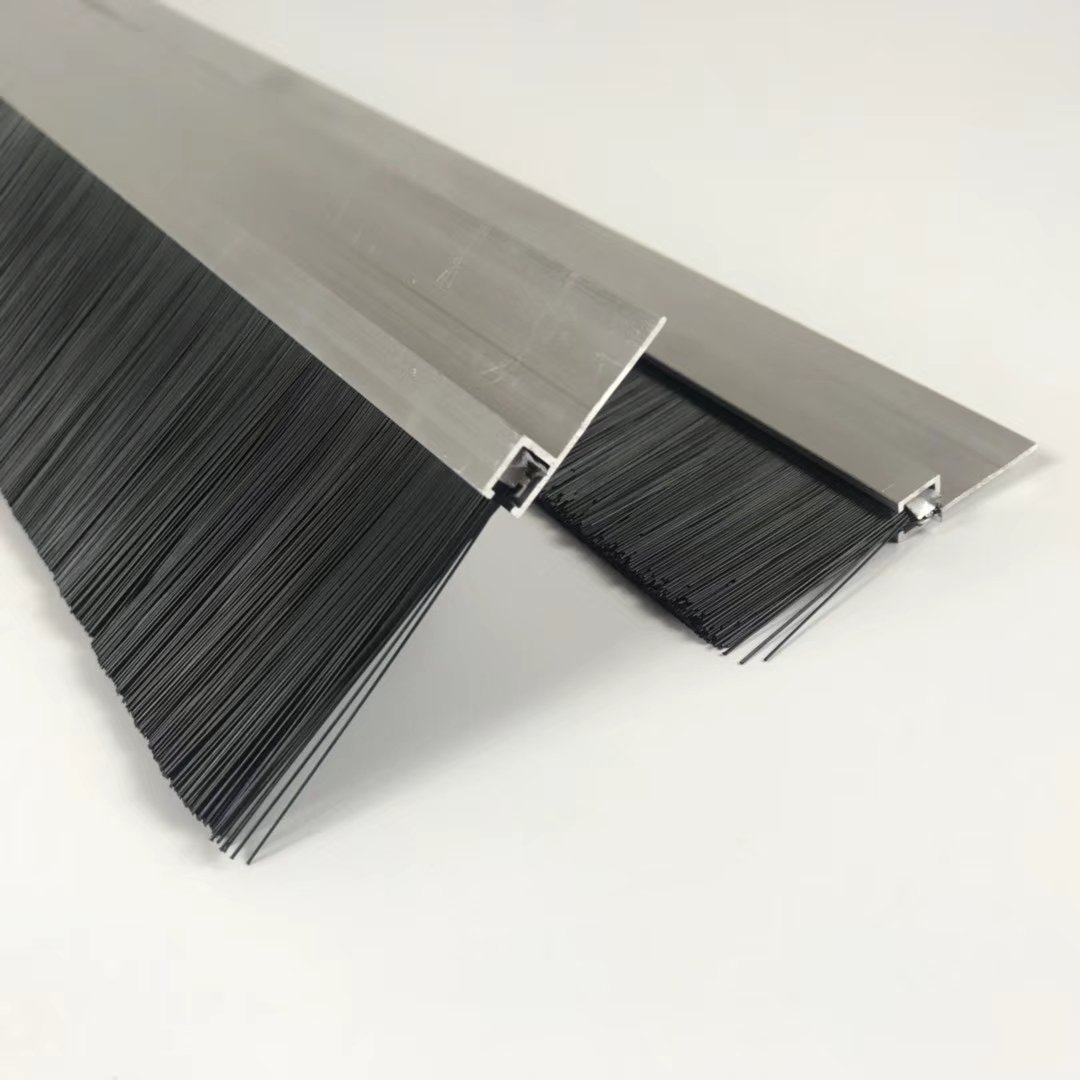
Noise & Vibration Reduction
Brush seals help make cars, trucks, and planes quieter. They fill small spaces between moving parts. This stops air and sound from getting through doors and windows. Your ride feels calmer and more peaceful.
-
Using a sealing brush around doors and windows stops rattles and shakes.
-
A strip brush blocks wind noise in car doors and plane cabins.
-
Some vehicles use a window sealing brush to keep out road noise and dust.
-
In planes, engineers use brush seals to lower vibrations and protect equipment.
Tip: For a quieter trip, check the seals on your doors and windows. Changing old or broken brushes can really help.
Environmental Sealing
Brush seals keep out water, dust, and other things you do not want. You find them in engines, gearboxes, and hydraulic systems. These seals help keep tight spaces sealed, so leaks are less likely.
-
Brush seals keep oil and fluids inside engines and stop dirt getting in.
-
They work better than old labyrinth seals because they seal tighter and last longer.
-
You can use a strip brush or sealing brush in hybrid and electric vehicles to protect batteries and electronics.
-
In planes, a brush seal helps control airflow and pressure for safety and fuel savings.
Here are some key facts about brush seals in these fields:
-
They help control leaks and keep spaces tight, even when parts move.
-
Brush seals help machines handle movement and vibration better.
-
You get stronger seals and need fewer repairs.
-
Engineers use new materials and coatings to make seals last longer.
-
Brush seals help green technology, like electric cars and eco-friendly planes.
|
Application Area |
Main Benefit |
Typical Brush Type |
|---|---|---|
|
Car doors/windows |
Noise and dust reduction |
Window sealing brush |
|
Aircraft engines |
Leak control, durability |
Brush seal |
|
Hybrid vehicles |
Battery protection |
Sealing brush |
Note: Checking your brush seals often and picking the right one keeps vehicles and planes safe, quiet, and working well.
5. Heritage & Clean Environments
Conservation Needs
You help protect old buildings and special artefacts. Using the right sealing brush keeps dust, bugs, and water away from fragile things. Museums and libraries use a strip brush or window sealing brush to close small gaps. This stops air and dirt from getting to old books, paintings, or cloth.
-
A door sealing brush fits old doors without changing how they look.
-
A window sealing brush keeps out cold air and dirty air.
-
Blocking pests and damp helps keep wood, paper, and fabrics safe.
Tip: Pick a soft strip brush with natural fibres for delicate things. This gives gentle care and does not scratch.
Particle Control
Clean places must control dust and tiny bits very well. You see this in labs, hospitals, and electronics factories. A conveyor belt brush sweeps away small bits from moving parts. A sealing brush blocks gaps in cleanrooms to keep the air clean.
-
Use a strip brush to seal doors and windows in clean spaces.
-
A conveyor belt brush takes away rubbish from belts and rollers.
-
You can choose a sealing brush with fake bristles for easy cleaning.
|
Application Area |
Recommended Brush Type |
Main Benefit |
|---|---|---|
|
Museum display cases |
Strip brush, window sealing brush |
Stops dust and insects |
|
Cleanrooms |
Sealing brush, strip brush |
Keeps air clean and pure |
|
Labs and hospitals |
Conveyor belt brush |
Removes particles from surfaces |
Note: Checking and cleaning often helps keep your space safe and your tools working well.
Material Selection Guide
Synthetic Filaments
Synthetic filaments are used in many brushes. The most common types are nylon and polyester. These materials make brushes last longer. They are strong and do not break easily. They resist water, chemicals, and pests. Synthetic filaments are light and simple to clean. They are made in factories, so their quality stays the same. Some nylon types can soak up water. This might change how well they work. Synthetic filaments do not let air through as much as natural fibres. They can also cause microplastic pollution. Use synthetic filaments for strip brushes or sealing brushes where there is lots of use, water, or chemicals. They are good for conveyor belt brush systems and window sealing brush jobs.
Natural Fibres
Natural fibres like horsehair or hog bristles are very soft. They are gentle and good for delicate things. They are also better for the environment. These fibres handle heat and chemicals well. But they do not last as long as synthetic or metal ones. They are not as tough.
|
Feature |
Natural Fibres |
|---|---|
|
Touch |
Very gentle |
|
Flexibility |
High |
|
Durability |
Moderate |
|
Eco-friendly |
Yes |
|
Best for |
Dusting, fine cleaning |
Pick a door sealing brush or window sealing brush with natural fibres for museums or old buildings. They are also good for electronics where static is a problem.
Metal Wire
Metal wire bristles are very strong. Stainless steel and brass are common choices. Stainless steel does not rust and can take heat. It is good for food work or use near the sea. Brass wire does not make sparks. It is safe for places with fuel or fire risk.
|
Metal Type |
Key Benefit |
Best Use |
|---|---|---|
|
Stainless Steel |
Rust and heat resistance |
Food, marine, high hygiene |
|
Brass |
Non-sparking, gentle |
Fuel tanks, electronics, soft metals |
Use a metal wire strip brush or conveyor belt brush for hard cleaning jobs. They are best when you need to clean tough surfaces or work with high heat.
Brush Seal Materials
When you pick a brush seal, match the material to your job. Polypropylene bristles are strong and bend easily. They work in many places. Nylon bristles are best for clean jobs and last a long time. Stainless steel backing is good for food and places that must stay clean. Horsehair bristles help stop static and are gentle for special jobs.
Tip: Always look at where and how you will use your brush seal. The right material helps your sealing brush, strip brush, or conveyor belt brush last longer and work safely.
Application-Material Table
Selection Criteria
Environment
Think about where you will use your brush. Hot or cold places can change how long it lasts. Wet air can make some seals break down faster. Chemicals in the air or on things can hurt some bristles. High heat might make some materials crack or lose shape.
-
Pick a strip brush with bristles that fit your temperature needs.
-
In factories with strong cleaners, use a sealing brush with chemical-resistant fibres.
-
For food or medicine, choose a door sealing brush or window sealing brush made from safe, clean materials.
|
Material Type |
Temperature Range |
Chemical Resistance |
Best Use |
|---|---|---|---|
|
EPDM |
-20°C to +120°C |
Good |
General use |
|
Fluoroelastomer |
-15°C to +200°C |
Excellent |
Harsh chemicals |
|
Silicone |
-50°C to +180°C |
Moderate |
Food and biotech |
|
Nitrile |
-30°C to +100°C |
Oil resistant |
Industrial machines |
Tip: Always look at the environment before picking your strip brush or sealing brush.
Performance
You want your brush to work well and last long. Flexible bristles help your sealing brush fit bumpy surfaces. Strong bristles stop wear and keep the seal tight. Flexibility and abrasion resistance are important.
-
Use a conveyor belt brush with bendy filaments for moving parts.
-
Pick a strip brush with tough bristles for lots of rubbing.
-
For gentle jobs, choose a window sealing brush with soft fibres.
Brushes with many thin bristles bend and spring back well. This helps them fill gaps and stop leaks. Some brushes use special metals or carbon for extra strength and less wear.
Cost
You need to balance price and quality. Cheaper brushes might not last as long. Better materials cost more but save money because you replace them less often.
-
Nylon and polypropylene strip brushes are cheap and last well.
-
Metal bristle sealing brushes cost more but are best for hard jobs.
-
Natural fibre brushes are gentle but may need changing sooner.
Checklist:
Where will you use the brush?
What will it touch?
How often will you clean or change it?
Do you need special features, like anti-static or food-safe materials?
You have learned that brush seals do five main jobs:
-
Gas turbine secondary flow sealing
-
Hot gas path sealing
-
Oil and oil mist sealing
-
Bearing chamber sealing
-
Replacement of labyrinth seals
Picking the right material is important. You need to think about wear, friction, heat, and chemical resistance. Here is a simple checklist:
-
What will you use the brush seal for?
-
What temperature and chemicals are there?
-
How much wear will the brush seal get?
-
Do you need any special features?
If you have special needs, talk to brush seal experts. They can help you choose the best brush seal for your place.
FAQ
What is the main difference between a brush seal and a strip brush?
A brush seal usually blocks air, dust, or noise. A strip brush often cleans, guides, or protects moving parts. You can use both in doors, windows, and machines. Each type fits a different job.
How do I choose the right material for my sealing brush?
You should check your environment. Use nylon or polypropylene for wet or chemical areas. Pick metal wire for tough cleaning. Choose natural fibres for gentle dusting. Always match the brush seal or strip brush to your needs.
Can I use a door sealing brush on windows?
You can use a door sealing brush on some windows. Make sure the size and bristle type fit your window frame. For best results, use a window sealing brush designed for windows.
How often should I replace my conveyor belt brush?
Check your conveyor belt brush every month. Replace it if you see worn bristles or poor cleaning. Regular checks help your system work well and last longer.
Do brush seals help with energy savings?
Yes! A good brush seal or strip brush blocks drafts and keeps heat or cool air inside. You save energy and lower your bills. Use a sealing brush on doors and windows for best results.