
Featured Products
About Nylon Wire Brush
Introduction
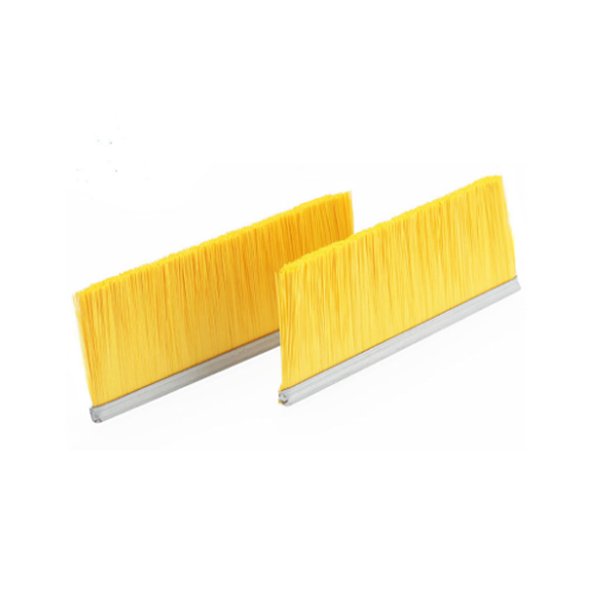
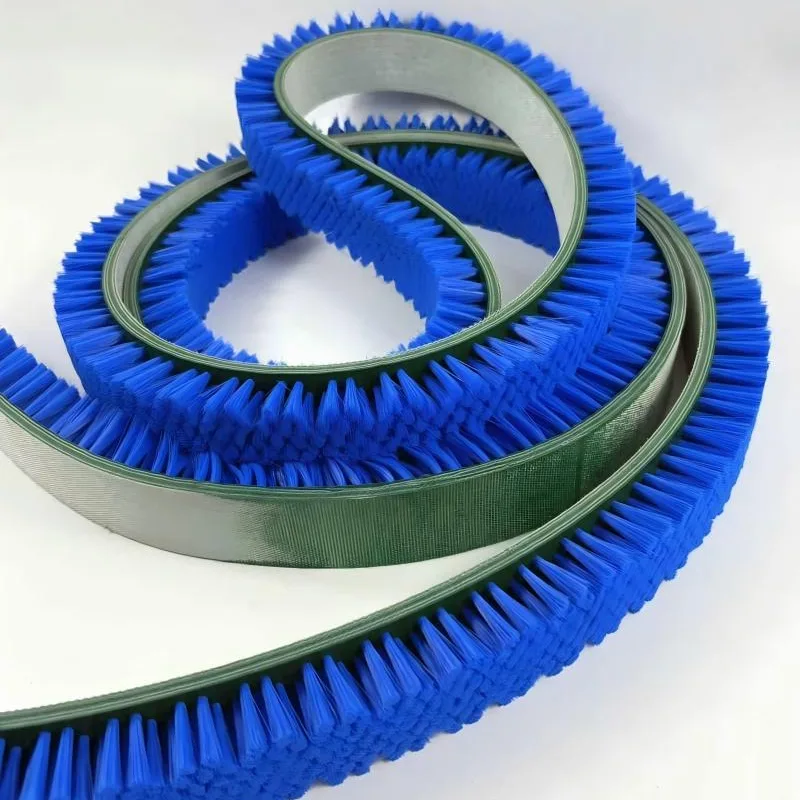
Nylon wire brushes feature flexible, durable bristles made from abrasive-filled nylon filaments, offering a gentler alternative to metal brushes. They provide effective cleaning, deburring, and surface finishing without scratching or corroding materials. Ideal for delicate metals, plastics, and sensitive surfaces, they are widely used in automotive, aerospace, food processing, and electronics industries.
Key Advantages of Nylon Wire Brushes
1. Non-Abrasive & Safe for Delicate Surfaces
No Scratches or Gouges: Perfect for polished metals, painted surfaces, and soft materials.
Static-Free Operation: Prevents damage to electronic components and sensitive machinery.
2. Resistant to Chemicals & Moisture
Rust-Proof: Unlike steel brushes, nylon bristles won’t corrode in wet or humid conditions.
Acid/Alkali Resistant: Suitable for food-grade cleaning and chemical processing.
3. Durable & Long-Lasting
High Wear Resistance: Withstands repeated use without bristle breakage.
Flexible Bristles: Conforms to irregular surfaces for thorough cleaning.
Common Applications
1. Automotive & Aerospace
Paint & Surface Prep: Removes contaminants without damaging coatings.
Deburring Plastic & Composite Parts: Safe for lightweight materials.
2. Food & Beverage Industry
Conveyor Belt Cleaning: Hygienic, non-metallic bristles prevent contamination.
Bottle & Can Washing: Resistant to cleaning chemicals.
3. Electronics & Precision Manufacturing
PCB & Component Cleaning: Static-free operation protects circuits.
3D Printing Support Removal: Gentle on plastic models.
4. Marine & Chemical Processing
Corrosion-Free Cleaning: Ideal for saltwater environments.
Tank & Pipeline Maintenance: Withstands harsh chemical exposure.
FAQ
Q1: Can nylon wire brushes replace steel brushes?
Yes, for non-metallic applications:
Nylon brushes are best for delicate, non-sparking, and corrosion-sensitive tasks.
Steel brushes are better for heavy rust removal and aggressive surface prep.
Q2: How do I clean and maintain a nylon wire brush?
Rinse with water (especially after chemical use).
Store dry to prevent bacterial growth (no rust risk).
Q3: Are nylon wire brushes heat-resistant?
Limited heat tolerance:
Max temp ~100–120°C (varies by brand).
Not suitable for welding slag removal (use steel brushes instead).
CUSTOM SOLUTIONS
Request a Quote
Tell us about the brush size, material and application you need.